Toggle Categories
Get Instant Support
Choose your preferred way to connect with our team
Response Time
Within 8 hours on working days, 24 hours on holidays
Sample Preparation
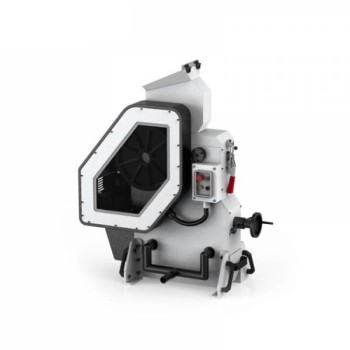
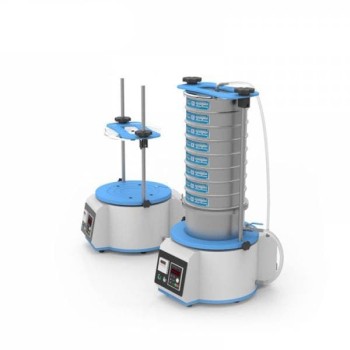
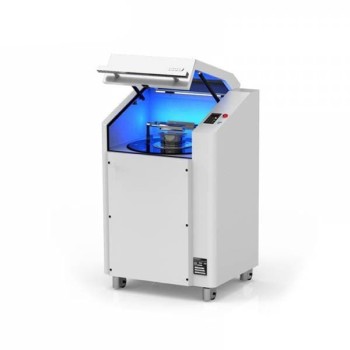
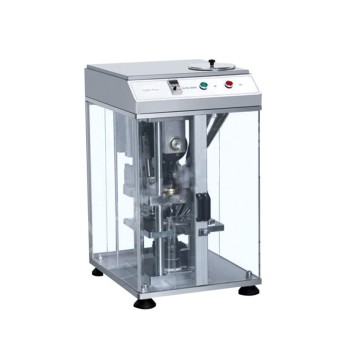
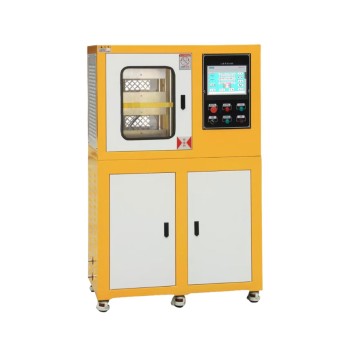
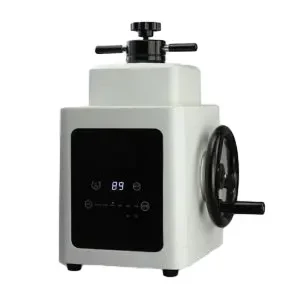
KinTek sample preparation equipment includes sample crushing,milling, as while as while sieving equipment, hydraulic press equipment includes manual press, electric press, isostatic press, hot press and press filtering machine.



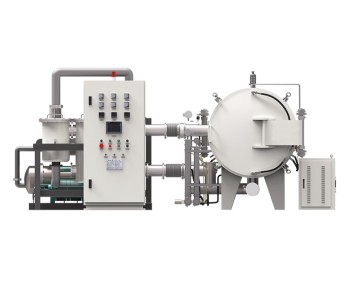
Thermal Equipment
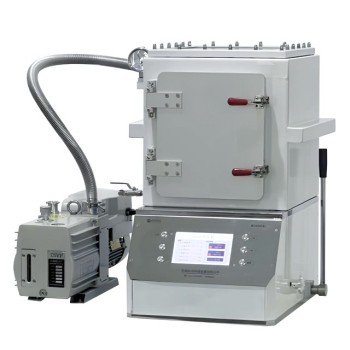
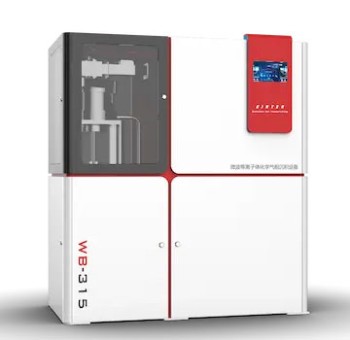
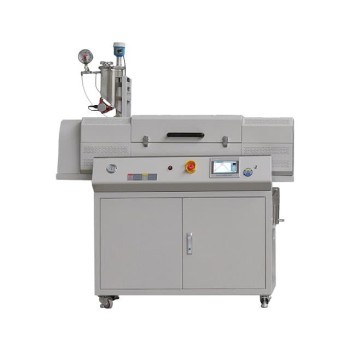
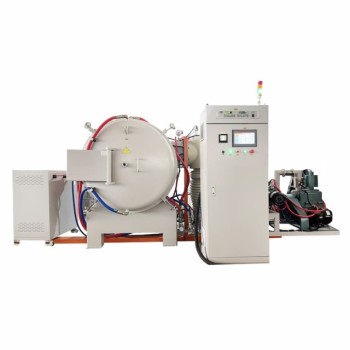
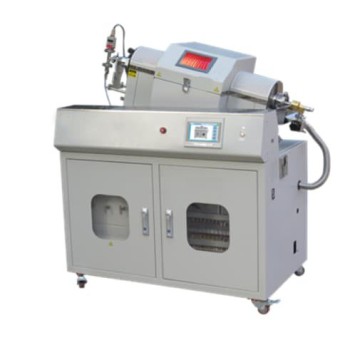
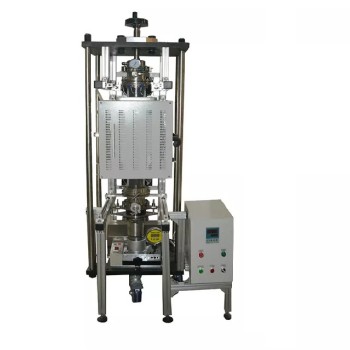
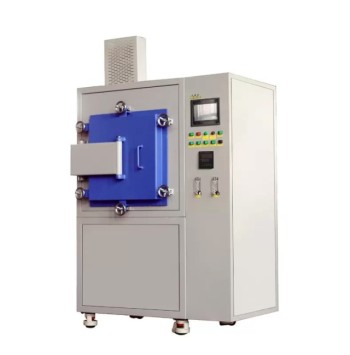
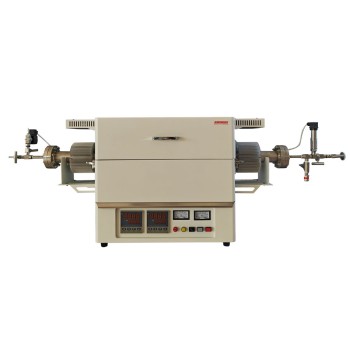
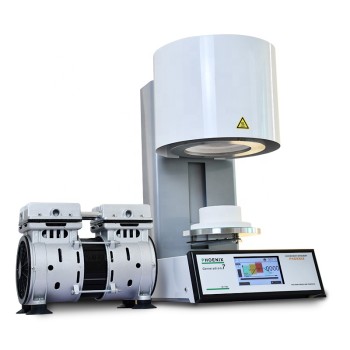
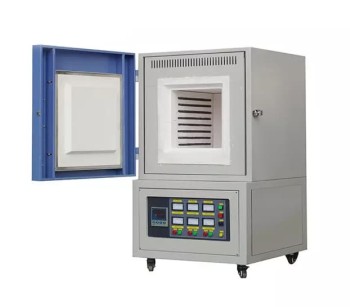
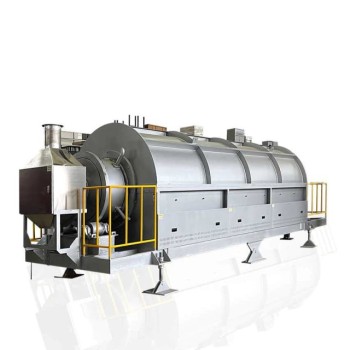
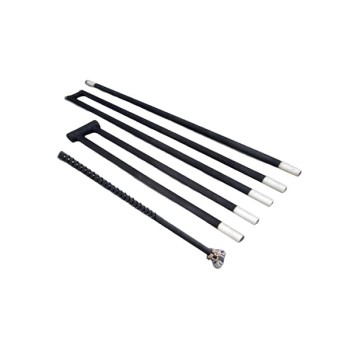
KinTek supplies a broad range of high-temperature furnaces, including lab, pilot production, and industrial production furnaces, with a temperature range of up to 3000 ℃. One of KinTek's advantages is the ability to create custom-made furnaces tailored to specific functions, such as different heating methods and speeds, extra high and dynamic vacuums, controlled atmospheres and gas circuits, automated mechanical structures, and software and hardware development.
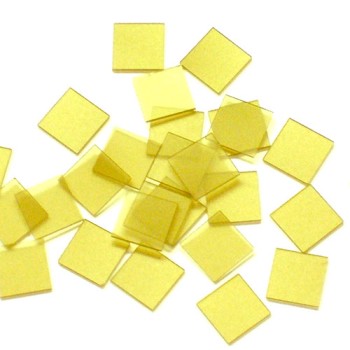
Lab Consumables & Materials
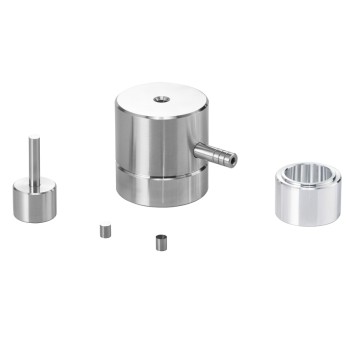
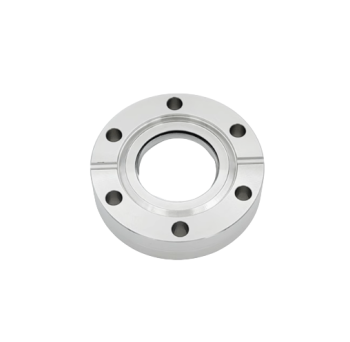
KinTek offers a range of lab consumables and materials, including evaporation materials, targets, metals, electrochemistry parts, as well as powders, pellets, wires, strips, foils, plates, and more.


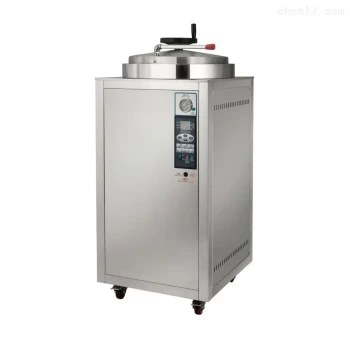
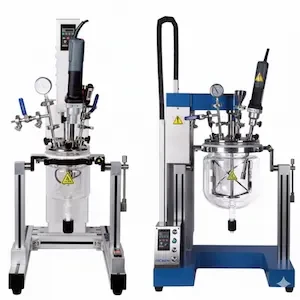
Bio-Chem Equipment
KinTek bio-chem equipment comprises rotary evaporators, glass and stainless steel reactors, distillation systems, circulating heaters and chillers, as well as vacuum equipment.


Products
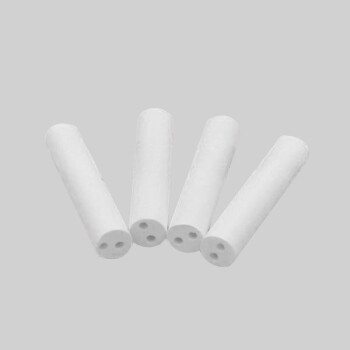
Hexagonal Boron Nitride HBN Thermocouple Protection Tube
Item Number: KM-D02

Boron Nitride (BN) Ceramic Tube
Item Number: KM-D5

Boron Nitride (BN) Ceramic Plate
Item Number: KM-D7
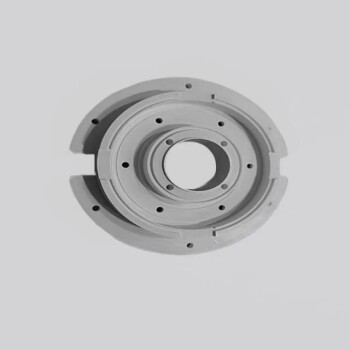
Custom Boron Nitride (BN) Ceramic Parts
Item Number: KM-D8
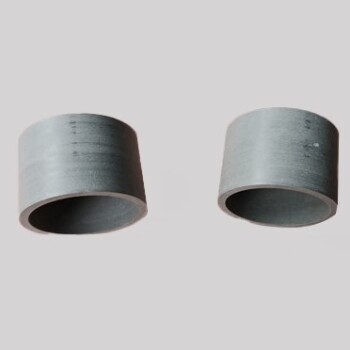
Conductive Boron Nitride BN Ceramics Composite for Advanced Applications
Item Number: KM-D9
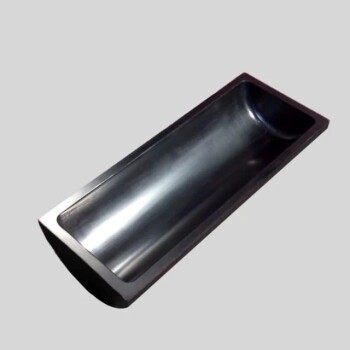
Carbon Graphite Boat -Laboratory Tube Furnace with Cover
Item Number: KM-D10
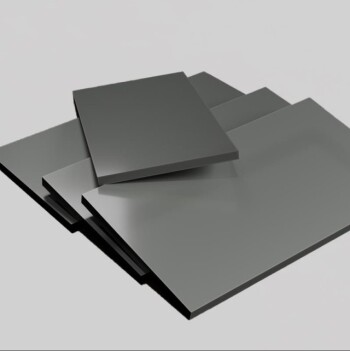
Carbon Graphite Plate Manufactured by Isostatic Pressing Method
Item Number: KM-D11
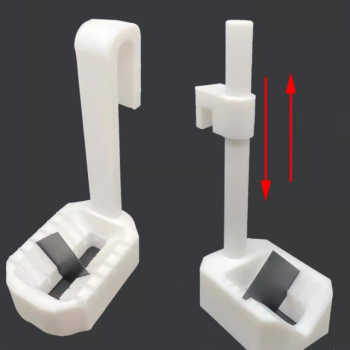
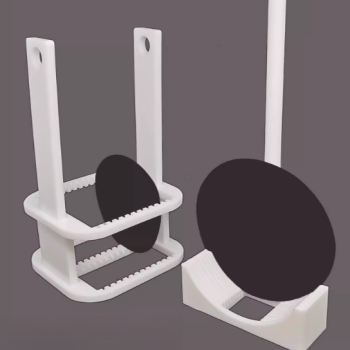
Custom PTFE Wafer Holders for Lab and Semiconductor Processing
Item Number: PTFE-38
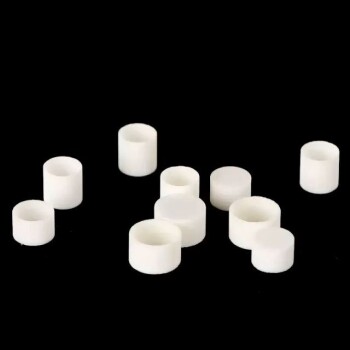
Customizable PTFE Wafer Carriers for Semiconductor and Lab Applications
Item Number: PTFE-39
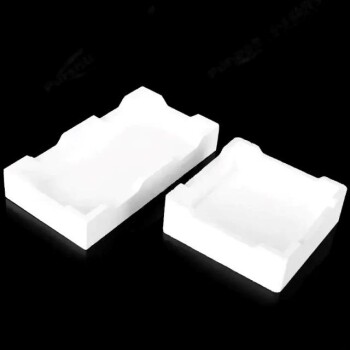
Advanced Engineering Fine Ceramics Alumina Ceramic Saggar for Fine Corundum
Item Number: KM-C05

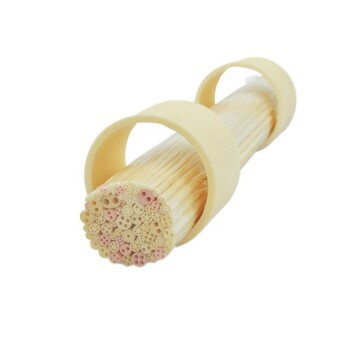
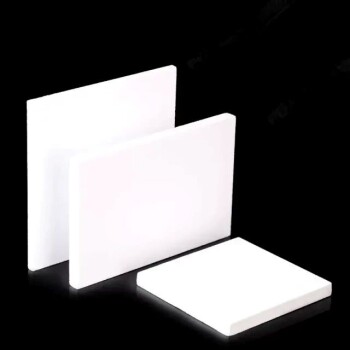
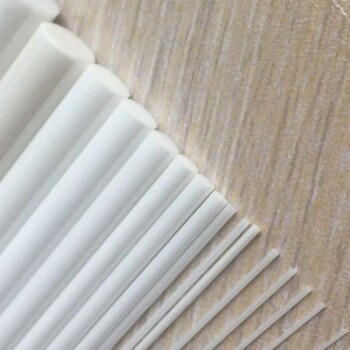

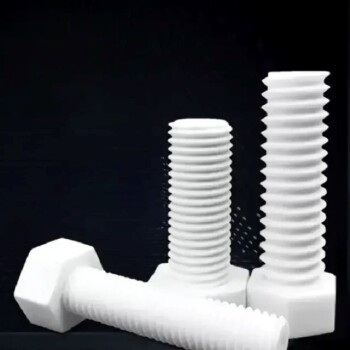
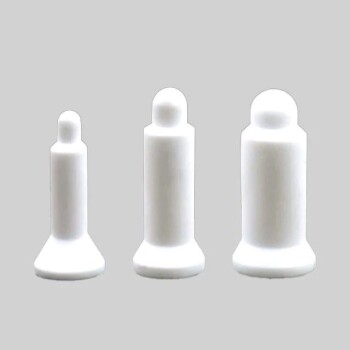
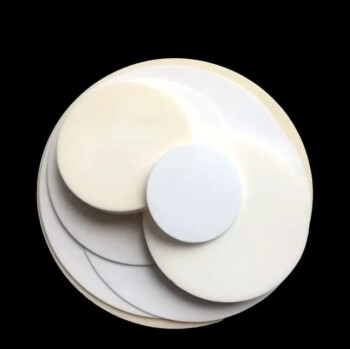
Engineering Advanced Fine Ceramics Aluminum Oxide Al2O3 Heat Sink for Insulation
Item Number: KM-C013
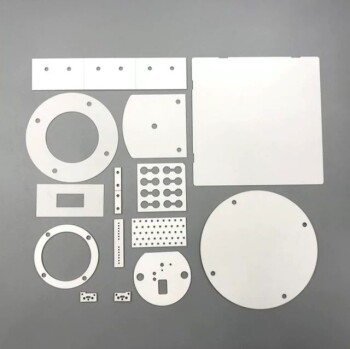
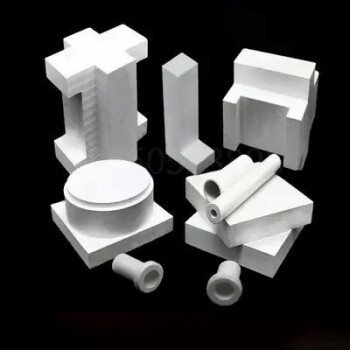
Advanced Engineering Fine Ceramics Boron Nitride (BN) Ceramic Parts
Item Number: KM-P01
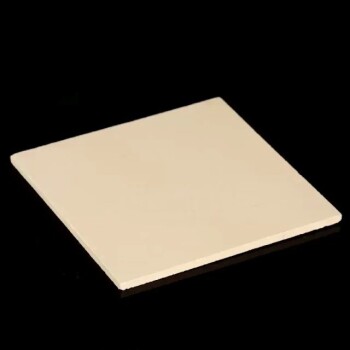
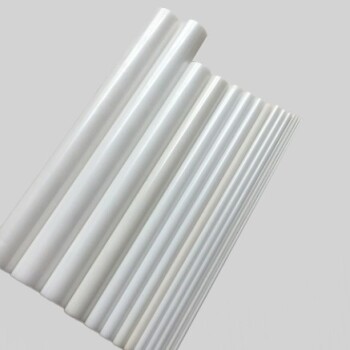
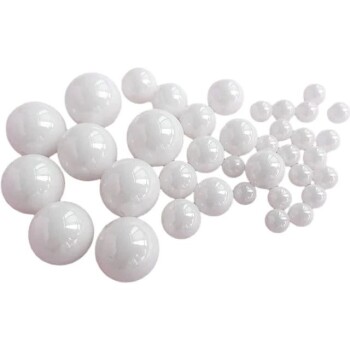
Precision Machined Zirconia Ceramic Ball for Engineering Advanced Fine Ceramics
Item Number: KM-G03
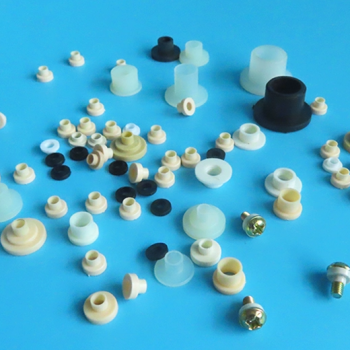
Zirconia Ceramic Gasket Insulating Engineering Advanced Fine Ceramics
Item Number: KM-G04
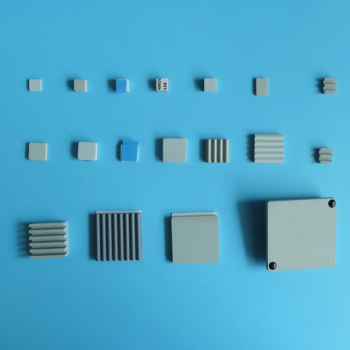
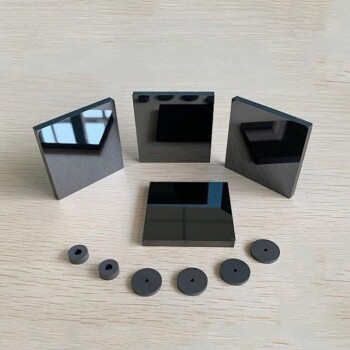
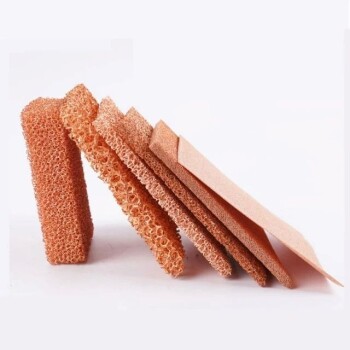
Copper Foam
Item Number: BC-25
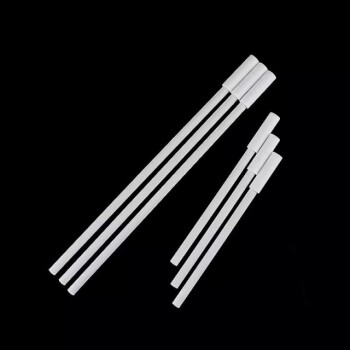
Custom PTFE Teflon Parts Manufacturer for PTFE Stirring Bar Recovery Rod
Item Number: PTFE-28

Custom PTFE Teflon Parts Manufacturer for PTFE Buchner Funnel and Triangular Funnel
Item Number: PTFE-30
REQUEST A QUOTE
Our professional team will reply to you within one business day. Please feel free to contact us!
Related Articles

The Material Science of Limits: Navigating the 1450°C Trap in Tube Furnaces
Operating a tube furnace at its 1450°C limit makes its core a consumable, raising costs and risking failure. Understand the engineering trade-offs.
The Perfect Inferno: Mastering Heat Within a Tube Furnace
Explore the physics of tube furnaces, from Joule heating to the psychological discipline required for precise thermal control in materials science.
More Than Heat: The Controlled Universe of the Modern Tube Furnace
Discover why the tube furnace's true power isn't high heat, but its ability to create a controlled atmospheric environment for advanced materials.
From Dust to Density: The Two Pressures That Shape Modern Materials
Explore the crucial difference between Cold Isostatic Pressing (CIP) for forming parts and Hot Isostatic Pressing (HIP) for perfecting them.
Mastering the Void: The Tube Furnace and the Science of Purity
Discover why the true power of a tube furnace lies not just in its heat, but in its ability to create a perfectly controlled atmosphere for sensitive materials.
The Glass at its Limit: Why Your 1200°C Furnace Tube Fails Below Spec
The 1200°C rating on a quartz tube is a starting point, not a guarantee. Discover why atmosphere, time, and stress dictate its true limit.
The Unseen Flaw: Why Uniform Density Is Everything in Powder Metallurgy
Traditional pressing creates hidden flaws. Cold Isostatic Pressing (CIP) uses uniform pressure to achieve perfect density, ensuring component integrity.
Beyond Temperature: The Art of Control in Thermal Processing
Discover why precise atmospheric and thermal control in a tube furnace, not just heat, is the key to repeatable material science breakthroughs.
The Integrity of the Void: A Systems Approach to Cleaning Tube Furnace Tubes
Cleaning a furnace tube is a diagnostic process, not a checklist. Master thermal, chemical, & mechanical methods to ensure experimental purity.
Shaping Potential vs. Forging Perfection: A Guide to Isostatic Pressing
Explore the critical difference between Cold Isostatic Pressing (CIP) for forming parts and Hot Isostatic Pressing (HIP) for perfecting them.
The Physics of Perfection: How Rotary Furnaces Eliminate Randomness in Material Processing
Discover how dynamic heating in rotary tube furnaces overcomes the flaws of static batches, ensuring uniform, repeatable results for advanced materials.
The Unseen Advantage: How a Tube Furnace Creates Order from Thermal Chaos
Discover how a tube furnace's superior temperature uniformity eliminates variables, ensuring the repeatable results essential for material science.
Beyond Brute Force: The Quiet Power of Cold Isostatic Pressing
Learn how Cold Isostatic Pressing overcomes the hidden defects of traditional methods by using uniform fluid pressure to ensure material reliability.
Beyond Heat: Mastering the Controlled Universe of the Tube Furnace
Discover how horizontal tube furnaces create a controlled universe for materials science, ensuring precision by mastering temperature and atmosphere.
Mastering the Micro-Environment: The Unseen Power of the Tube Furnace
Explore why a tube furnace's true value lies not in heat, but in creating a reproducible thermal environment for precise material synthesis.
When Gravity is Your Ally: The Strategic Choice of a Vertical Tube Furnace
Explore the physics behind vertical tube furnaces and why their orientation is a strategic choice for processes like CVD, quenching, and powder synthesis.
The Pursuit of Uniformity: How Isostatic Pressing Solves the Hidden Flaws of Compression
Discover how Cold Isostatic Pressing (CIP) uses uniform pressure to eliminate hidden material defects and create high-integrity components.
The Invisible Contaminant: A Guide to Preserving the Heart of Your Furnace
Learn why proactive prevention, not reactive cleaning, is the key to quartz tube furnace longevity and reliable experimental results.
The Glass Ceiling: Why Your 1500°C Furnace Can't Exceed 1200°C
A furnace's power is often irrelevant; its true limit is the quartz tube's tolerance for heat and thermal shock. Understanding this saves experiments.
Beyond Brute Force: The Physics of Uniform Density in Cold Isostatic Pressing
Discover how Cold Isostatic Pressing (CIP) uses isostatic pressure to eliminate hidden voids and create components with superior uniform density.