Toggle Categories
Get Instant Support
Choose your preferred way to connect with our team
Response Time
Within 8 hours on working days, 24 hours on holidays
Sample Preparation
KinTek sample preparation equipment includes sample crushing,milling, as while as while sieving equipment, hydraulic press equipment includes manual press, electric press, isostatic press, hot press and press filtering machine.

Isostatic Press
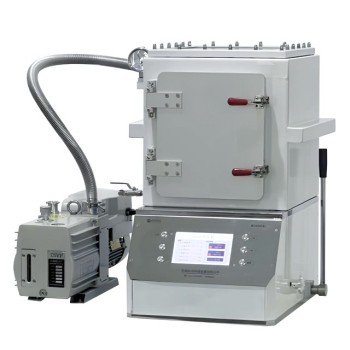
Vacuum Heated Lab Press

Automatic Heated Lab Press

Electric Lab Press

Customer-made Press

Manual Heated Lab Press

Manual Lab Press
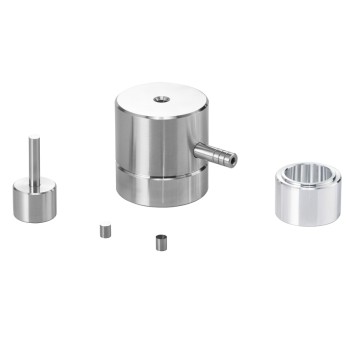
Molds & Accessories
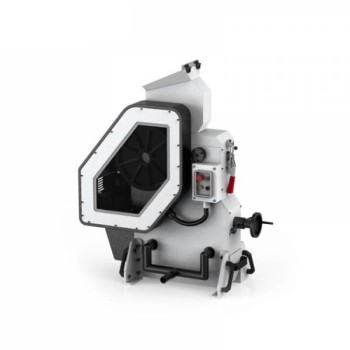
Crushing & Grinding Machine
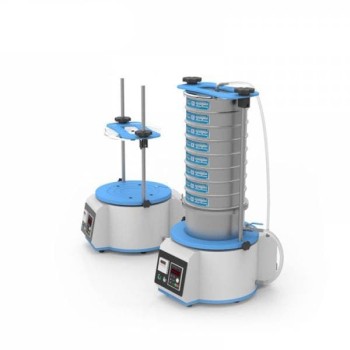
Sieving Machine

Milling Equipment
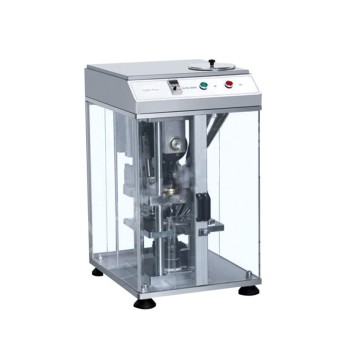
Tablet punching machine
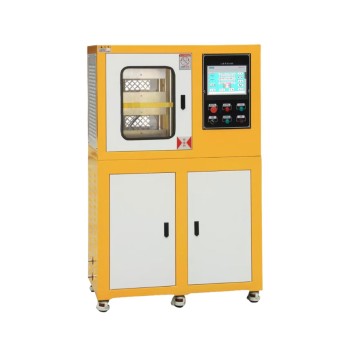
Rubber processing machine
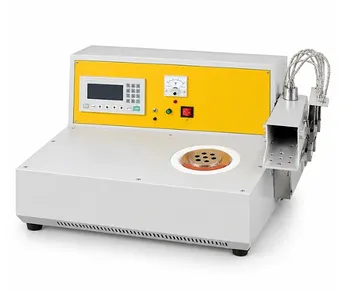
Coal Quality Analyzers

Assay Equipment Accessories & Consumables

Mounting Machine
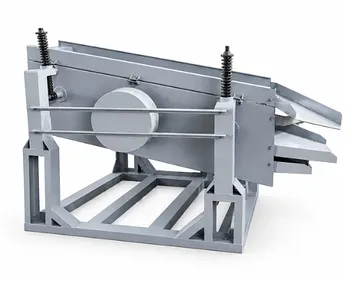
Coal, Coke & Ore Physical Testing
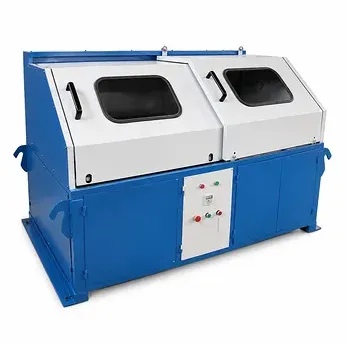
Rod Mill
Thermal Equipment
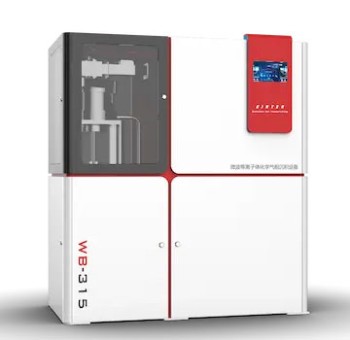
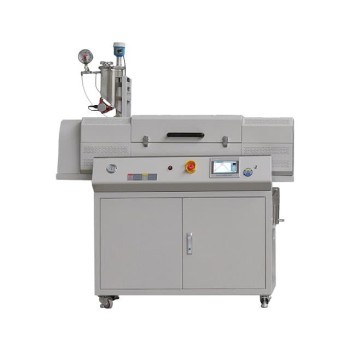
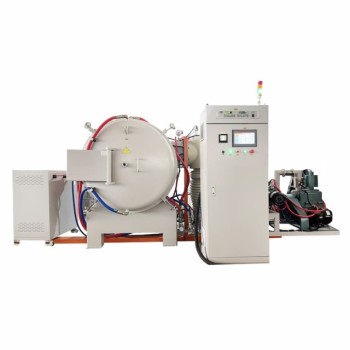
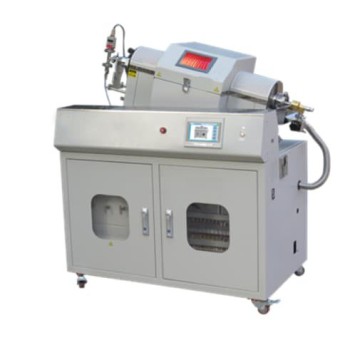
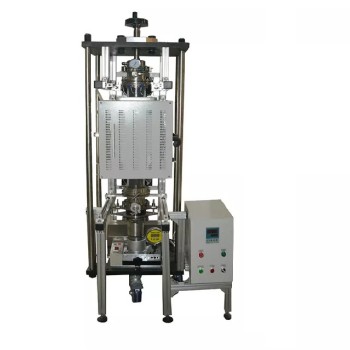
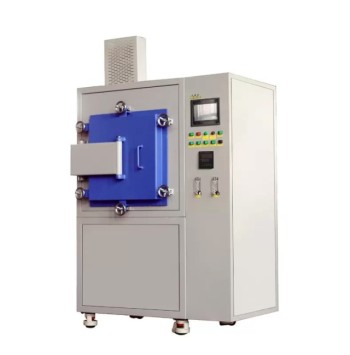
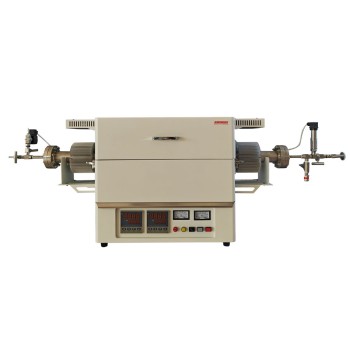
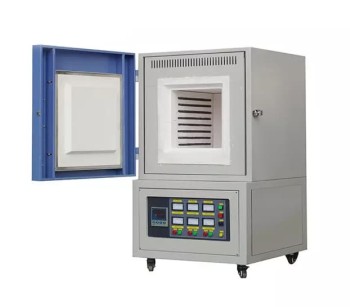
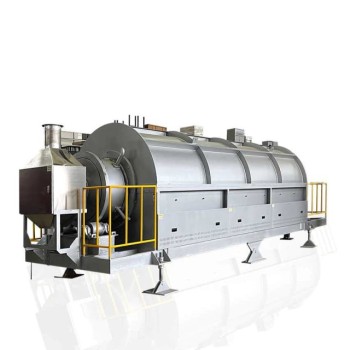
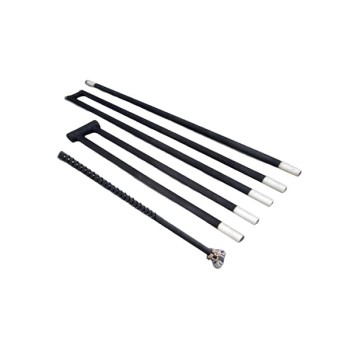
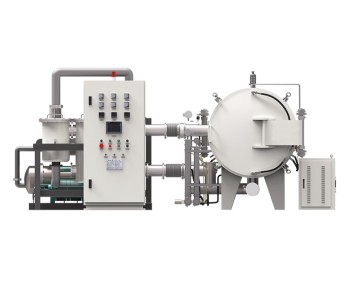
KinTek supplies a broad range of high-temperature furnaces, including lab, pilot production, and industrial production furnaces, with a temperature range of up to 3000 ℃. One of KinTek's advantages is the ability to create custom-made furnaces tailored to specific functions, such as different heating methods and speeds, extra high and dynamic vacuums, controlled atmospheres and gas circuits, automated mechanical structures, and software and hardware development.

Lab Consumables & Materials
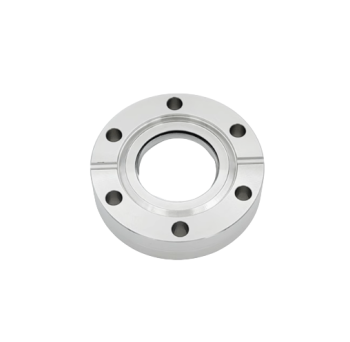
KinTek offers a range of lab consumables and materials, including evaporation materials, targets, metals, electrochemistry parts, as well as powders, pellets, wires, strips, foils, plates, and more.



Bio-Chem Equipment
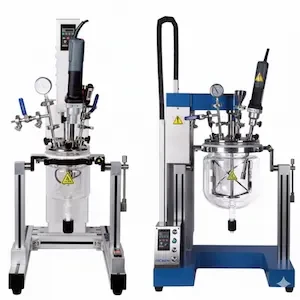
KinTek bio-chem equipment comprises rotary evaporators, glass and stainless steel reactors, distillation systems, circulating heaters and chillers, as well as vacuum equipment.





Products

Infrared Heating Quantitative Flat Plate Press Mold
Item Number: PMHD


Double Plate Heating Press Mold for Lab
Item Number: PMD
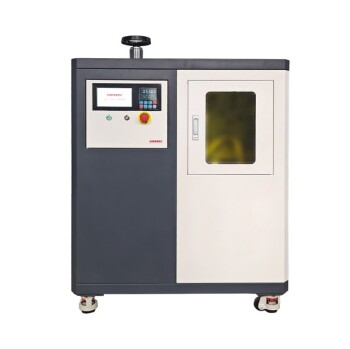
Warm Isostatic Press for Solid State Battery Research
Item Number: PCIH
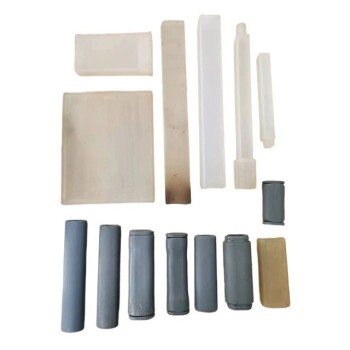
Isostatic Molding Pressing Molds for Lab
Item Number: PIPM
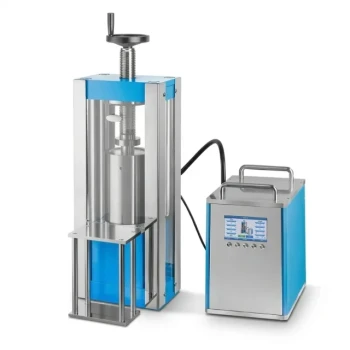
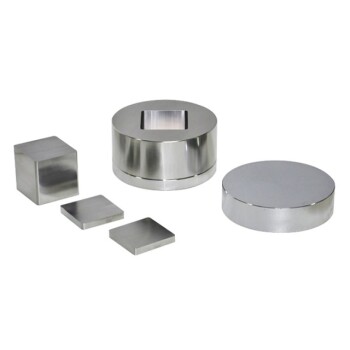
Square Lab Press Mold for Laboratory Applications
Item Number: PMS
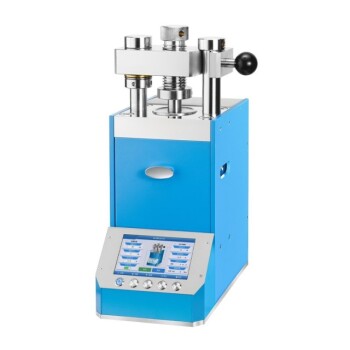
Automatic Lab Cold Isostatic Press CIP Machine Cold Isostatic Pressing
Item Number: PCIA
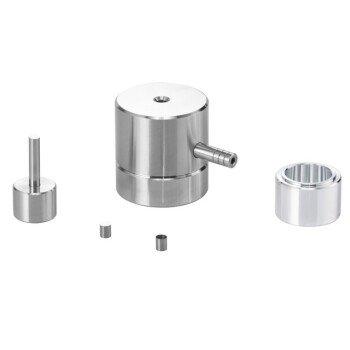
Cylindrical Press Mold for Lab Applications
Item Number: PMC
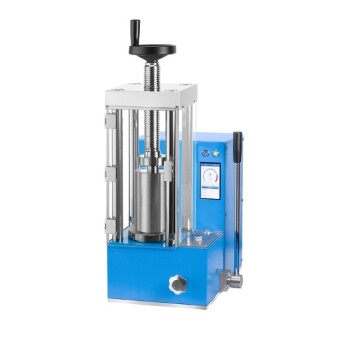
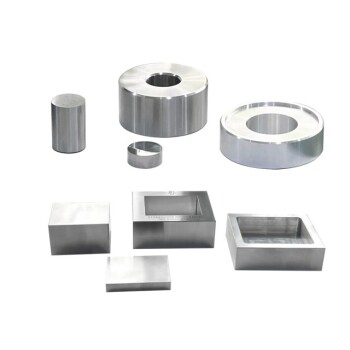
Special Heat Press Mold for Lab Use
Item Number: PCHF
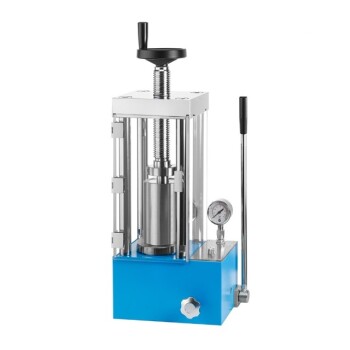
Manual Cold Isostatic Pressing Machine CIP Pellet Press
Item Number: PCIM
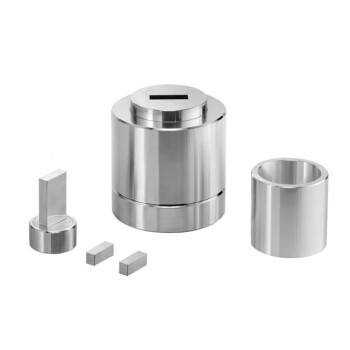
Assemble Square Lab Press Mold for Laboratory Applications
Item Number: PMAS
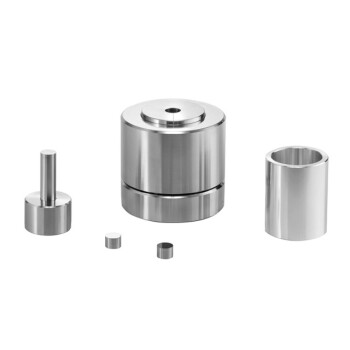
Assemble Lab Cylindrical Press Mold
Item Number: PMAC
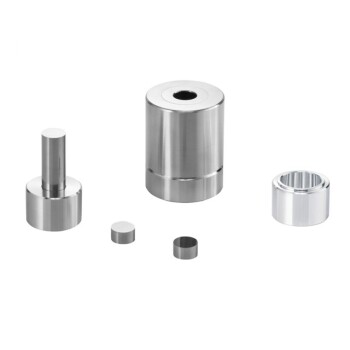
Carbide Lab Press Mold for Laboratory Applications
Item Number: PMW
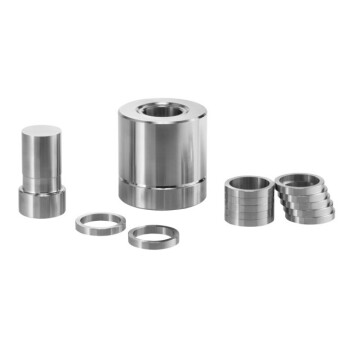
XRF & KBR steel ring lab Powder Pellet Pressing Mold for FTIR
Item Number: PMXS

XRF Boric Acid Lab Powder Pellet Pressing Mold for Laboratory Use
Item Number: PMXB
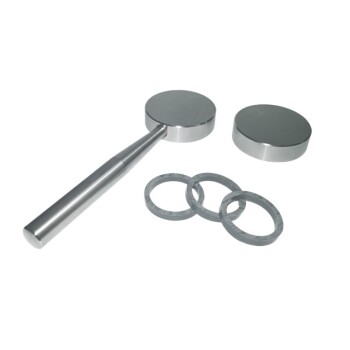
XRF & KBR plastic ring lab Powder Pellet Pressing Mold for FTIR
Item Number: PMXP
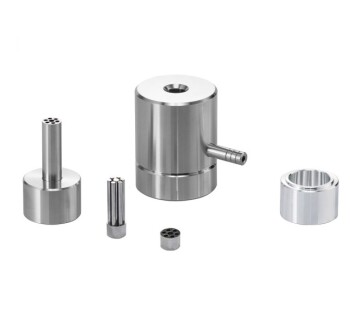
Special Shape Press Mold for Lab
Item Number: PMT

Automatic Laboratory Hydraulic Press for XRF & KBR Pellet Press
Item Number: PMXA

Lab-Scale Vacuum Induction Melting Furnace
Item Number: KT-VI

Electric Heated Hydraulic Vacuum Heat Press for Lab
Item Number: PPZ





Vacuum Hot Press Furnace Machine Heated Vacuum Press
Item Number: KT-VHP


Vacuum Hot Press Furnace Heated Vacuum Press Machine Tube Furnace
Item Number: KT-VTP

REQUEST A QUOTE
Our professional team will reply to you within one business day. Please feel free to contact us!
Related Articles
Density Is Destiny: The High-Stakes Physics of Hot Pressing
Hot pressing merges heat and pressure to forge ultra-dense materials, trading manufacturing speed for unmatched performance in complex components.
Heat, Haste, and Grains: A Strategic Choice Between Hot Pressing and SPS
Explore how heating methods—slow external vs. rapid internal—in Hot Pressing and SPS dictate material grain size, speed, and strategic use.
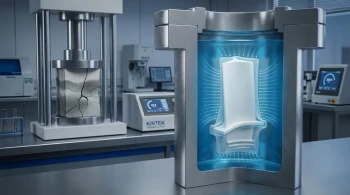
Beyond Brute Force: The Physics of Perfect Density in Cold Isostatic Pressing
Discover how Cold Isostatic Pressing leverages Pascal's Law to achieve uniform density in ceramics and metals, preventing defects in high-stress components.
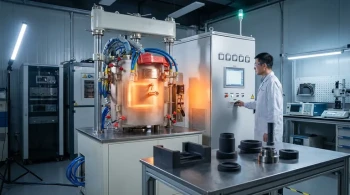
When Failure is Not an Option: The Engineering Logic of Hot Pressing
Hot pressing creates near-perfect density in components, but its true value lies in the strategic choice to prioritize material performance over cost.
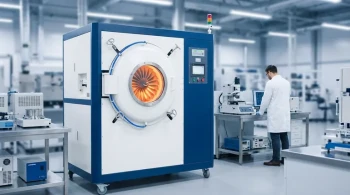
Beyond Heat: The Strategic Void in Advanced Material Processing
Learn how vacuum furnaces prevent oxidation and contamination by creating a controlled void, enabling the production of ultra-pure, high-performance materials.
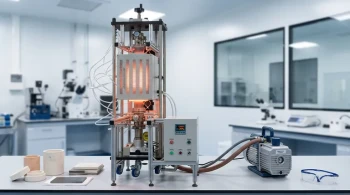
The Unforgiving Pursuit of Perfection: The Physics and Psychology of Hot Press Sintering
Hot press sintering trades speed and complexity for near-perfect density by combining heat and pressure—a critical choice for advanced materials.
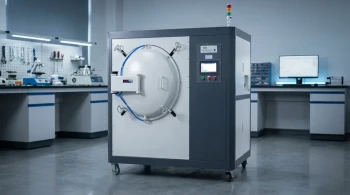
Engineering in a Void: The Physics and Psychology of the Vacuum Furnace
Vacuum furnaces create stronger, purer materials by removing air, preventing oxidation and outgassing impurities for superior metallurgical results.
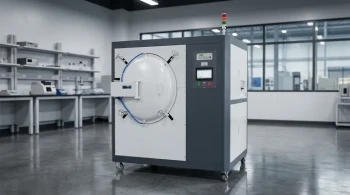
Beyond the Box: A Systems Approach to Vacuum Furnace Technology
A vacuum furnace is not a single tool, but five integrated systems. Understanding their interplay is key to achieving perfect material processing.
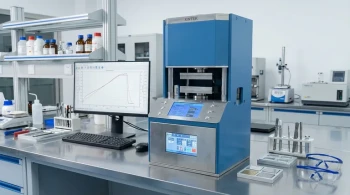
The Physics of Flawless Materials: Deconstructing the Hydraulic Hot Press
Discover how the synergy of Pascal's Law and thermal energy in a hydraulic hot press enables precise, repeatable material bonding and forming.
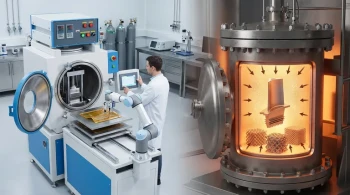
Pressure & Precision: Mastering Material Integrity with Hot Press Technology
Explore the critical difference between hot press bonding (precision) and HIP (perfection). Learn how directional vs. isostatic pressure shapes material certainty.
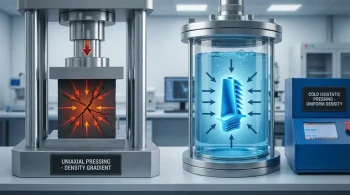
The Hidden Flaw in Every Pressed Part, and How to Eliminate It
Discover how cold isostatic pressing (CIP) eliminates hidden density gradients common in manufacturing, ensuring superior material integrity.
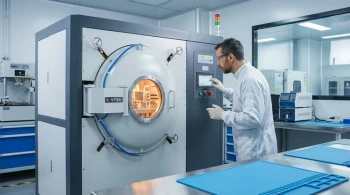
Beyond the Weld: The Physics and Psychology of Vacuum Furnace Brazing
Discover how vacuum furnace brazing transcends traditional joining, creating metallurgically pure, stress-free bonds for critical applications.
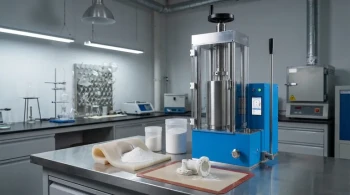
Perfect Density, Imperfect Form: The Hidden Trade-Offs of Cold Isostatic Pressing
CIP creates perfectly uniform materials but sacrifices dimensional accuracy and speed. Learn the critical trade-offs before choosing this method.

The Art of Pressure and Heat: A Deep Dive into Hot Pressing for Advanced Materials
Explore the hot pressing process, a technique that trades speed for superior material density and complex shapes in advanced manufacturing.

From Powder to Part: The Strategic Choice Between Wet-Bag and Dry-Bag CIP
A deep dive into wet-bag vs. dry-bag Cold Isostatic Pressing, framing the choice not as technical, but as a strategic manufacturing decision.
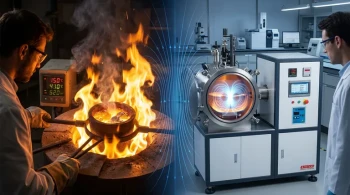
Why Your Metal Alloys Are Failing: The Hidden Flaw in How You Heat Them
Tired of inconsistent metal alloys and failed batches? Discover the root cause in your heating method and how induction furnaces offer a precise solution.
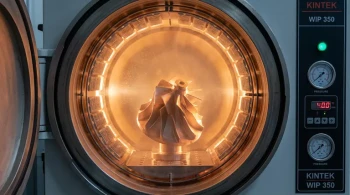
The Hidden Flaw: Why Your High-Performance Metal Parts Fail and How to Achieve True Material Integrity
Your 3D-printed or cast metal parts look perfect but fail unexpectedly? Discover the hidden cause of inconsistency and how Hot Isostatic Pressing (HIP) ensures total reliability.
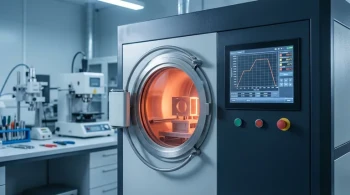
Beyond Max Temp: The Art of Precision in a Vacuum Furnace
A furnace's value isn't its max temperature, but its ability to execute a precise thermal profile. Discover why asking the right question is key.
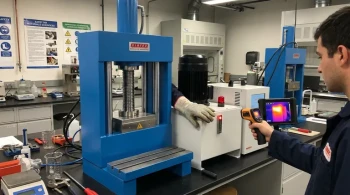
Why Your Hydraulic Press Runs Hot and How to Prevent a Meltdown
Learn why your hydraulic press overheats and how it leads to costly failure. Discover the root cause and the tools you need to fix it for good.
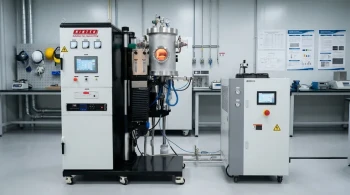
Mastering the Void: Why Ultimate Material Integrity is Forged in a Vacuum
Discover why a vacuum furnace is not just for heat, but for control—eliminating atmospheric chaos to guarantee material purity and strength.