Toggle Categories
Get Instant Support
Choose your preferred way to connect with our team
-
Get Free Quote Fill out form for detailed pricing
-
Send Email Detailed inquiry support
-
WhatsApp Quick mobile chat
Response Time
Within 8 hours on working days, 24 hours on holidays
Sample Preparation
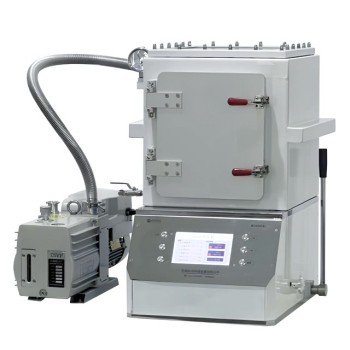
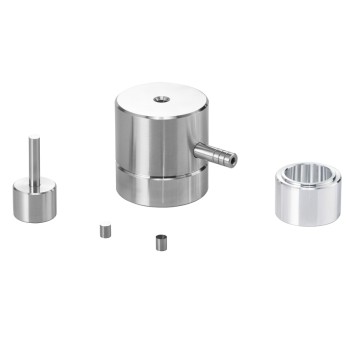
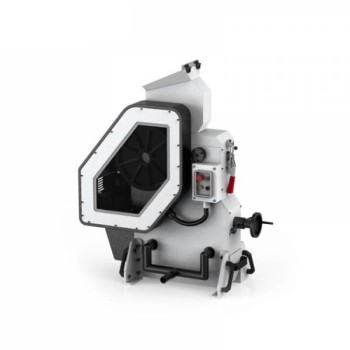
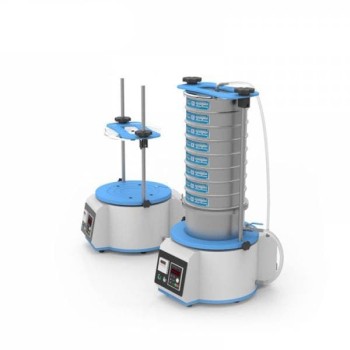
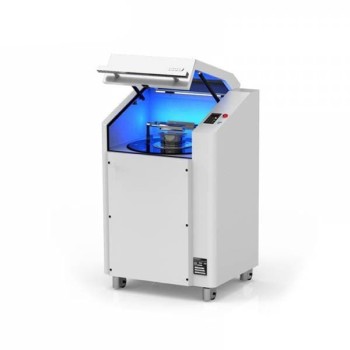
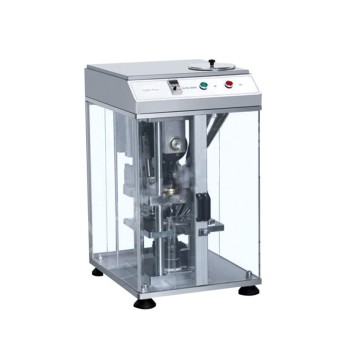
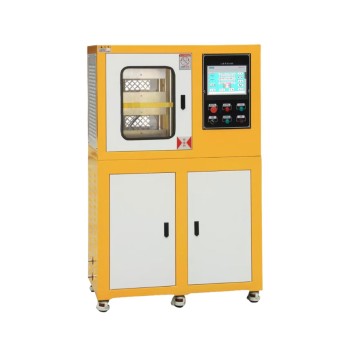
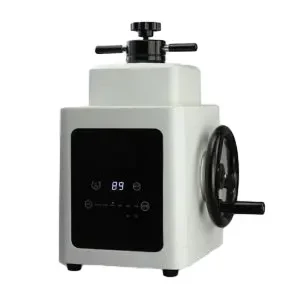
KinTek sample preparation equipment includes sample crushing,milling, as while as while sieving equipment, hydraulic press equipment includes manual press, electric press, isostatic press, hot press and press filtering machine.



Sample Preparation

High Energy Vibratory Laboratory Ball Mill Grinding Mill Single Tank Type
Item Number: KT-VB100

Hybrid High Energy Vibratory Ball Mill for Lab Use
Item Number: KT-BM400

High Energy Vibratory Ball Mill for Lab Use
Item Number: KT-BM500
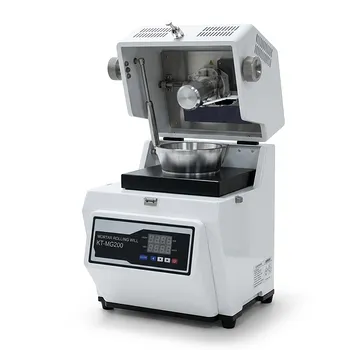
Laboratory Grinding Mill Mortar Grinder for Sample Preparation
Item Number: KT-MG200
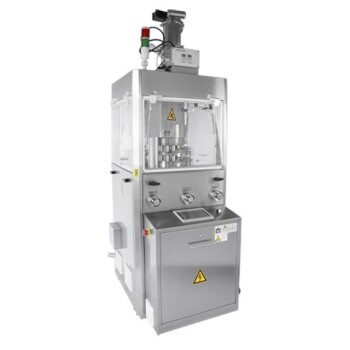

High Energy Planetary Ball Mill Milling Machine for Laboratory
Item Number: KT-P2000

Mini Planetary Ball Mill Machine for Laboratory Milling
Item Number: KT-P400

Laboratory Planetary Ball Mill Rotating Ball Milling Machine
Item Number: KT-P400E

Laboratory Horizontal Planetary Ball Mill Milling Machine
Item Number: KT-P400H
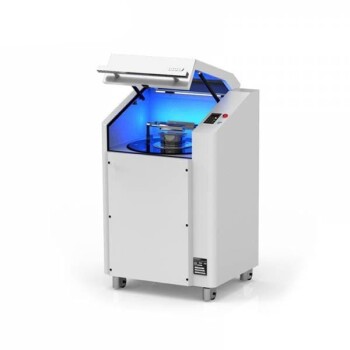
Lab Vibration Mill
Item Number: KT-VMS

Laboratory Disc Cup Vibratory Mill for Sample Grinding
Item Number: KT-DVM
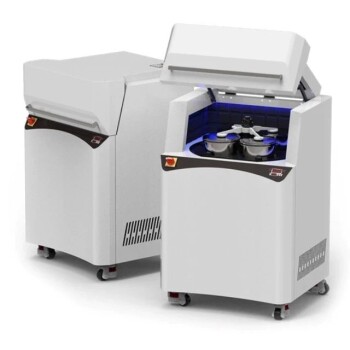
Disc Cup Vibrating Mill Multi-Platform for Lab
Item Number: KT-DVMP
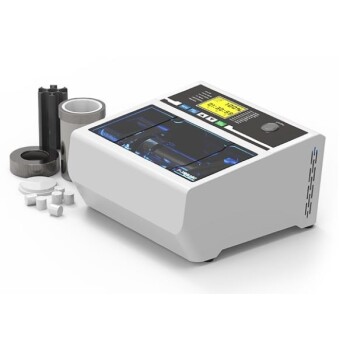
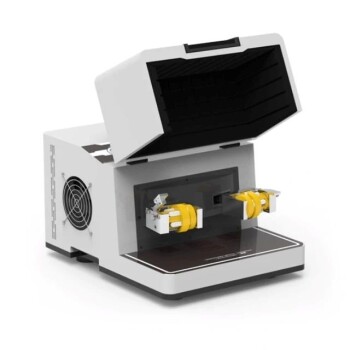
Laboratory Hybrid Tissue Grinding Mill
Item Number: KT-MT20

Laboratory High Throughput Tissue Grinding Mill Grinder
Item Number: KT-MT
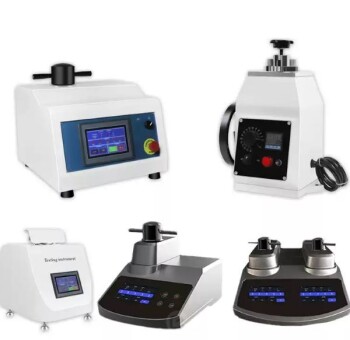
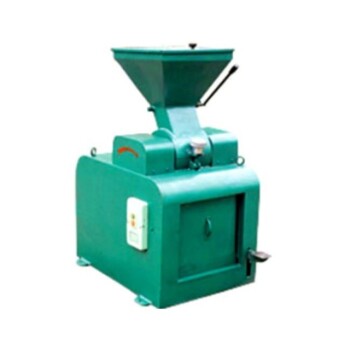
Laboratory Sealed Hammer Crusher for Efficient Sample Preparation
Item Number: KT-PCZ

Hydraulic Diaphragm Lab Filter Press for Laboratory Filtration
Item Number: KH-01

Laboratory Hydraulic Press Lab Pellet Press for Button Battery
Item Number: PCBP

Laboratory Micro Tissue Grinding Mill Grinder
Item Number: KT-MT10
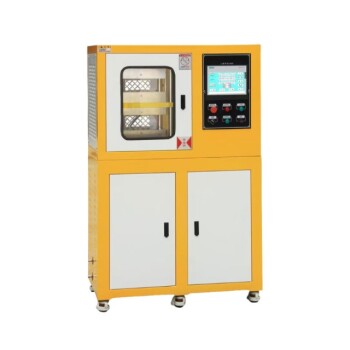
Rubber Vulcanizer Vulcanizing Machine Plate Vulcanizing Press for Lab
Item Number: RPM-01
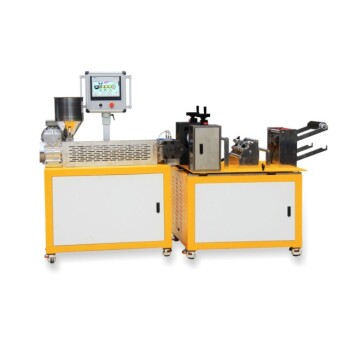
Lab Plastic PVC Calender Stretch Film Casting Machine for Film Testing
Item Number: RPM-02
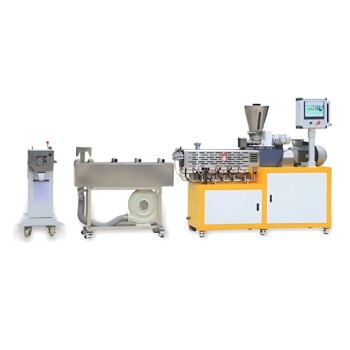
Twin Screw Extruder Plastic Granulation Machine
Item Number: RPM-03
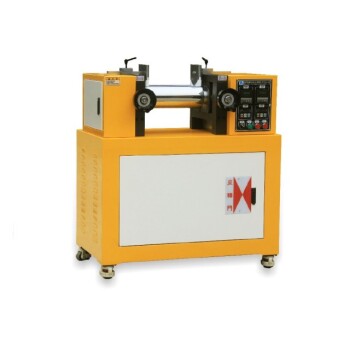
Open Type Two Roll Mixing Mill Machine for Rubber Crusher
Item Number: RPM-04
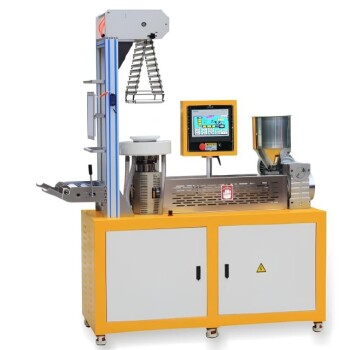
Lab Blown Film Extrusion Three Layer Co-Extrusion Film Blowing Machine
Item Number: RPM-05
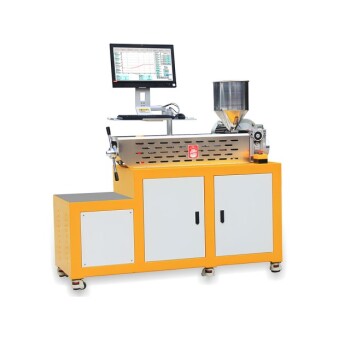
Filter Testing Machine FPV for Dispersion Properties of Polymers and Pigments
Item Number: RPM-06
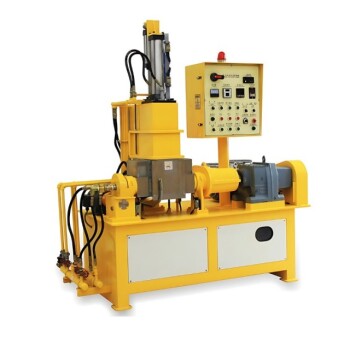
Lab Internal Rubber Mixer Rubber Kneader Machine for Mixing and Kneading
Item Number: RPM-07
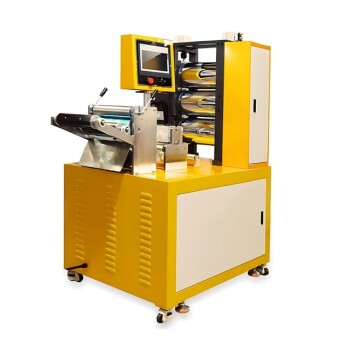
Small Lab Rubber Calendering Machine
Item Number: RPM-08
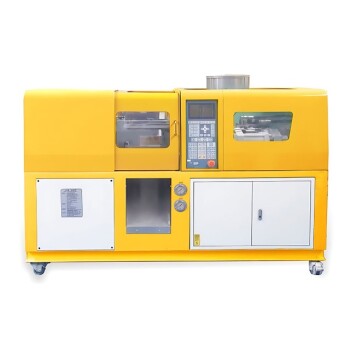
Small Injection Molding Machine for Lab Use
Item Number: RPM-09

REQUEST A QUOTE
Our professional team will reply to you within one business day. Please feel free to contact us!
Related Articles

Build vs. Buy: The True Cost of a Hydraulic Press Isn't What You Think
Discover the hidden costs & safety risks of DIY hydraulic presses. Learn why an engineered solution is the smarter investment for professional results.
Why Your High-Strength Metal Parts Are Failing—And Why 'More Force' Is the Wrong Answer
Struggling with inconsistent quality in forged parts? Discover why brute force fails and how a controlled squeeze is the key to superior strength.
Beyond the Press: The Art and Science of Shaping Materials with Heat and Pressure
Hot press molding uses heat and pressure to shape materials. Understanding its key variations—molding, laminating, and HIP—is key to innovation.
Beyond Brute Force: How Isostatic Pressing Creates Flawless Materials
Explore isostatic pressing, a method using uniform pressure, not brute force, to eliminate microscopic flaws and achieve perfect material density.
Beyond Brute Force: The Physics and Psychology of Material Transformation
Explore the synergy of hydraulic pressure and thermal energy, and why precise control over both is the key to creating advanced materials.
Why Your Laminator Keeps Ruining Documents—And How to Stop It for Good
Tired of your laminator turning thermal prints or photos into black smudges? Discover the simple reason it happens and how to choose the right method.
Why Your Lab Press Results are Warped, Bubbled, and Inconsistent—And How to Fix It for Good
Stop wasting materials. Learn why inconsistent heat and pressure ruin lab press results and how the right equipment ensures flawless bonding and molding.
Why Your "Bargain" Hydraulic Press Is Costing You More Than You Think
A cheap hydraulic press seems like a good deal, but frame flex and lack of control lead to failure. Learn how to choose a press based on engineering, not just price.
Your Diamond Tester Might Be Lying: Why Moissanite Fools It and How to Get Accurate Results
Is your diamond tester giving false positives? Learn why common testers fail to spot moissanite and discover the dual-test method that ensures accuracy.
Why Your Molding & Curing Results Are Inconsistent—And How to Fix It
Frustrated with warped parts and failed molding? Discover the hidden reason your hydraulic press may be the problem and how the right tool ensures consistent results.
Why Your Forge Welds Fail: The Hidden Power of Pressure Over Impact
Tired of inconsistent Damascus billets and exhausting forging sessions? Discover the root cause and why a hydraulic press is the fix.
Why Your Leather Embossing Is Inconsistent—And How to Fix It for Good
Struggling with faint, blurry, or scorched leather embossing? Discover the scientific reason it fails and how to achieve perfect, repeatable results.
Why Your Lab Press Fails: It's Not the Tonnage, It's the Steel
Discover the hidden reason your hydraulic press gives inconsistent results. Learn why the choice of steel is more critical than tonnage for safety and accuracy.
Why Your Lab Pellets Crack: The Hidden Physics of a Perfect Press
Stop blaming your powder. Discover the real reason your lab pellets fail and how a precision hydraulic press solves inconsistent sample prep for good.
Why Your Lab's Hydraulic Press Keeps Failing (It’s Not What You Think)
Discover the three 'silent killers' of lab hydraulic presses, like off-center loading and fluid contamination, and how to prevent costly failures.
Why Your Sample Prep Fails: The Hidden Flaw in Your Hydraulic Press
Frustrated with cracked pellets and inconsistent lab press results? Discover the hidden material flaw in your equipment and how to fix it for good.
Your Hydraulic Press Is Hot. Here’s Why It’s a Bigger Problem Than You Think.
Is your lab's hydraulic press overheating? Learn why this is a critical sign of wasted energy and impending failure, and how to fix it permanently.
Risk-Proof Your Lab: How to Choose a Vacuum Pump That Avoids Costly Failures
Learn how to choose reliable lab vacuum pumps to avoid costly failures. Assess chemical risks, throughput needs & safety for optimal performance.
How to Select the Right Oil-Free Diaphragm Pump for Your Lab or Industrial Needs
Learn how to choose the right oil-free diaphragm pump for your lab or industry—balancing specs, chemical resistance, and lifetime costs.
How to Choose Laboratory Vacuum Pumps for Maximum Efficiency and Cost Savings
Learn how to choose the right lab vacuum pump for efficiency & cost savings. Compare oil-sealed vs. oil-free pumps & future-proof your investment.