Toggle Categories
Get Instant Support
Choose your preferred way to connect with our team
Response Time
Within 8 hours on working days, 24 hours on holidays
Sample Preparation
KinTek sample preparation equipment includes sample crushing,milling, as while as while sieving equipment, hydraulic press equipment includes manual press, electric press, isostatic press, hot press and press filtering machine.

Isostatic Press
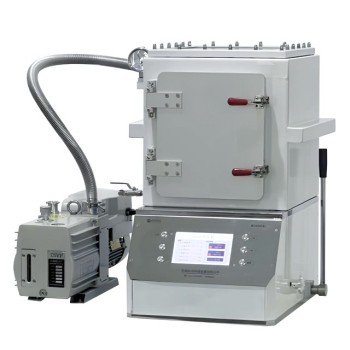
Vacuum Heated Lab Press

Automatic Heated Lab Press

Electric Lab Press

Customer-made Press

Manual Heated Lab Press

Manual Lab Press
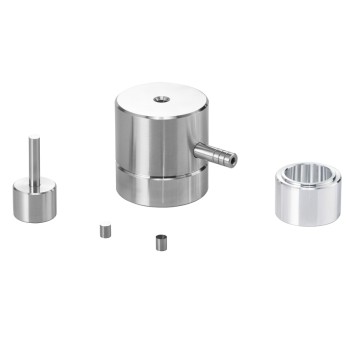
Molds & Accessories
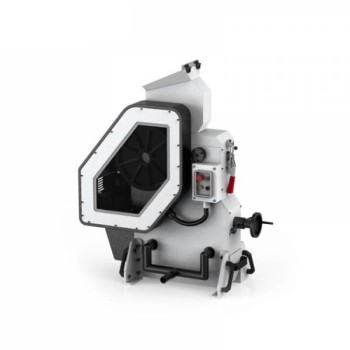
Crushing & Grinding Machine
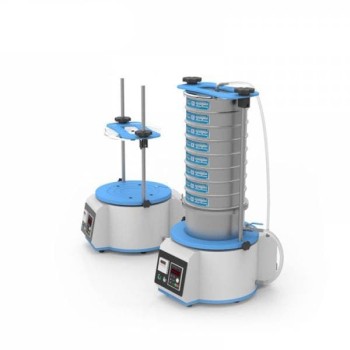
Sieving Machine
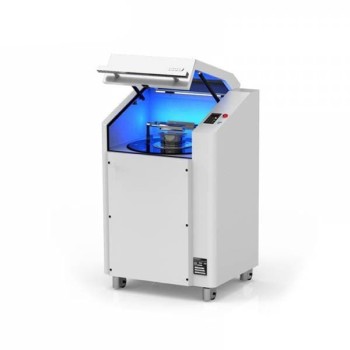
Milling Equipment
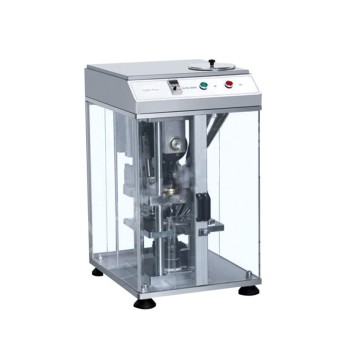
Tablet punching machine
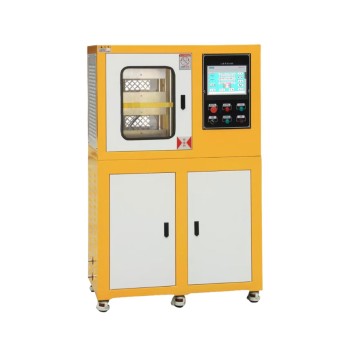
Rubber processing machine
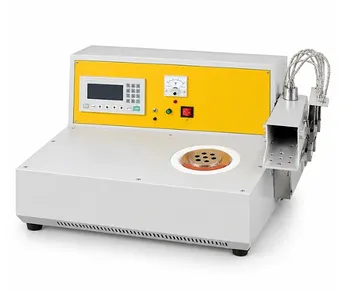
Coal Quality Analyzers
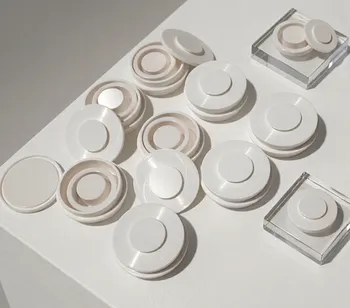
Assay Equipment Accessories & Consumables
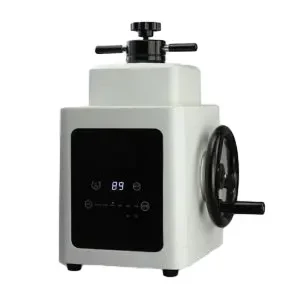
Mounting Machine
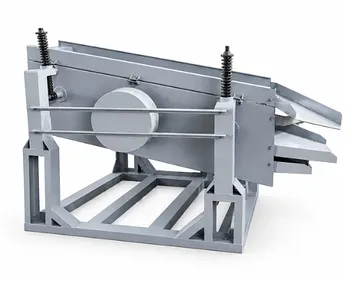
Coal, Coke & Ore Physical Testing
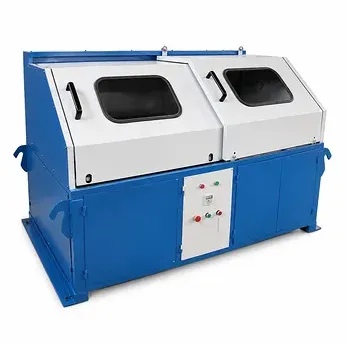
Rod Mill
Thermal Equipment
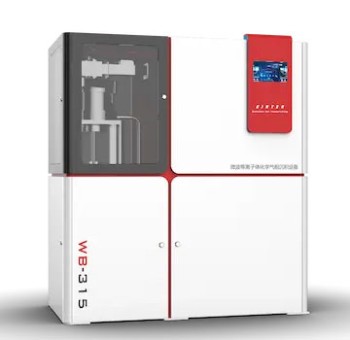
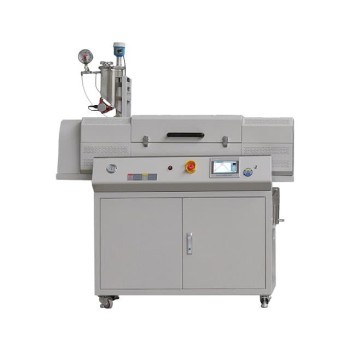
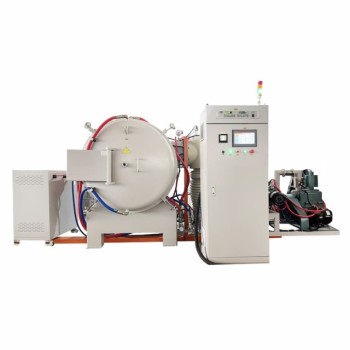
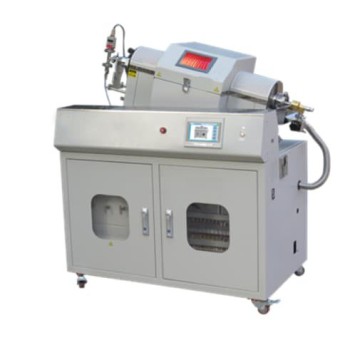
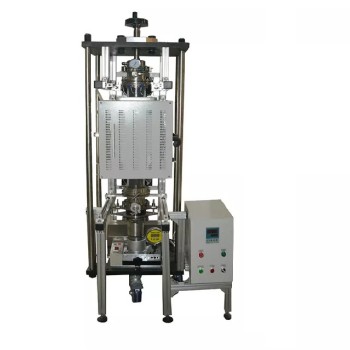
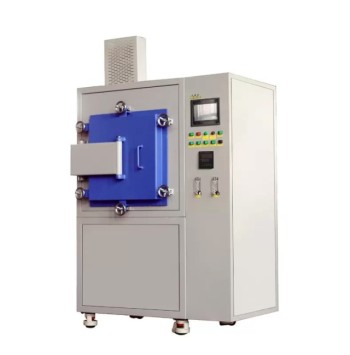
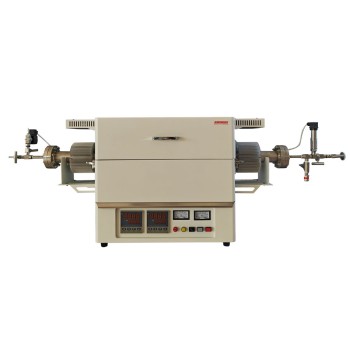
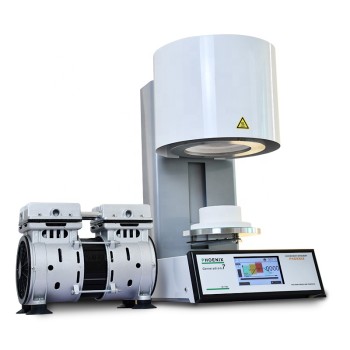
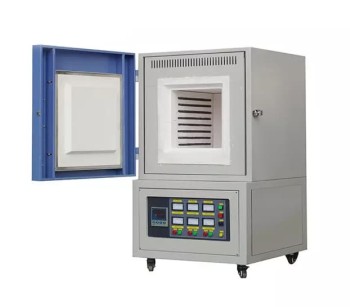
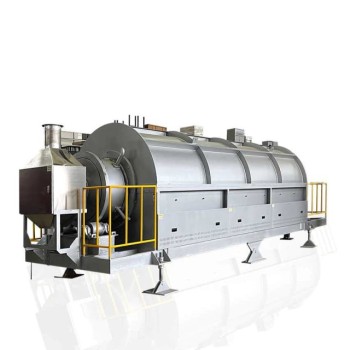
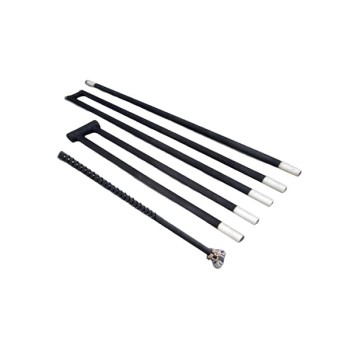
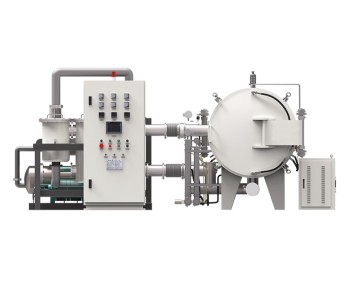
KinTek supplies a broad range of high-temperature furnaces, including lab, pilot production, and industrial production furnaces, with a temperature range of up to 3000 ℃. One of KinTek's advantages is the ability to create custom-made furnaces tailored to specific functions, such as different heating methods and speeds, extra high and dynamic vacuums, controlled atmospheres and gas circuits, automated mechanical structures, and software and hardware development.
Lab Consumables & Materials
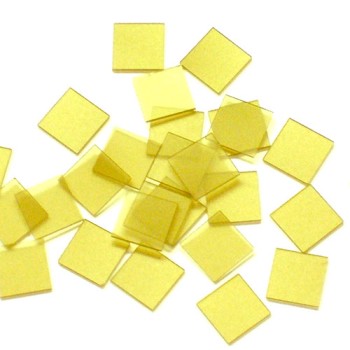
KinTek offers a range of lab consumables and materials, including evaporation materials, targets, metals, electrochemistry parts, as well as powders, pellets, wires, strips, foils, plates, and more.


Bio-Chem Equipment
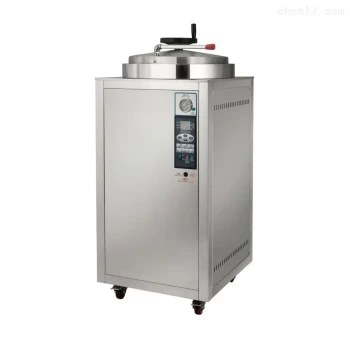
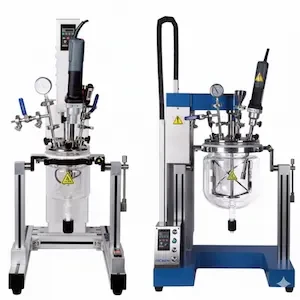
KinTek bio-chem equipment comprises rotary evaporators, glass and stainless steel reactors, distillation systems, circulating heaters and chillers, as well as vacuum equipment.



Products

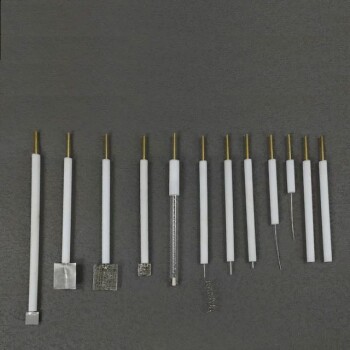
PTFE Electrolytic Cell Electrochemical Cell Corrosion-Resistant Sealed and Non-Sealed
Item Number: ELCP
$29.90
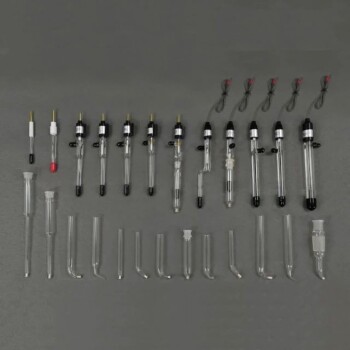
Reference Electrode Calomel Silver Chloride Mercury Sulfate for Laboratory Use
Item Number: ELERA
$19.90
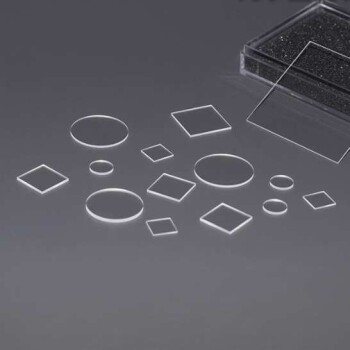
Infrared Transmission Coating Sapphire Sheet Substrate Window
Item Number: KTOM-ISS
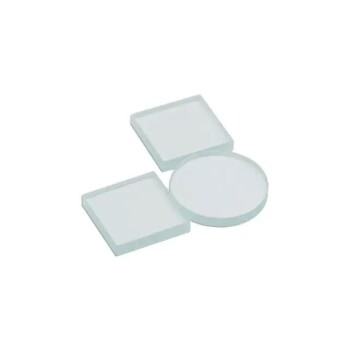
Float Soda-Lime Optical Glass for Laboratory Use
Item Number: KTOM-FSO
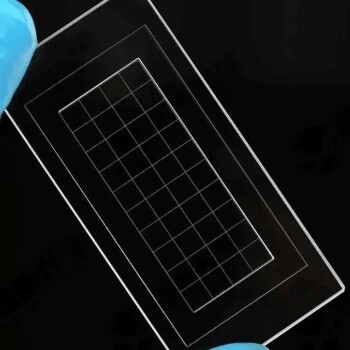
Zooplankton Plankton Counting Chamber for Plankton Eggs and Ascaris Eggs
Item Number: KTOM-PAE
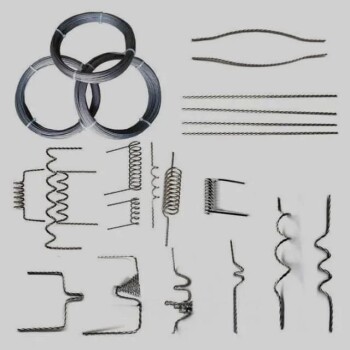
Thermally Evaporated Tungsten Wire for High Temperature Applications
Item Number: KME08
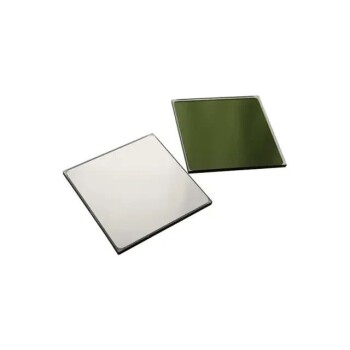
Optical Window Glass Substrate Wafer Single Double Sided Coated K9 Quartz Sheet
Item Number: KTOM-CGS
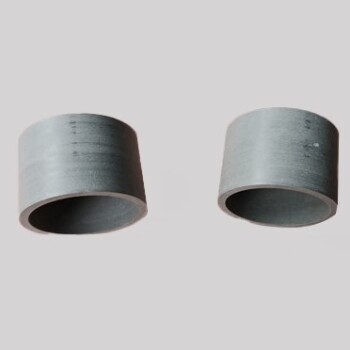
Conductive Boron Nitride BN Ceramics Composite for Advanced Applications
Item Number: KM-D9

Carbon Graphite Boat -Laboratory Tube Furnace with Cover
Item Number: KM-D10
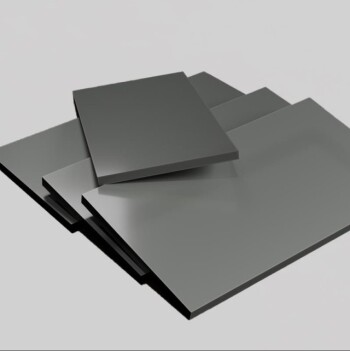
Carbon Graphite Plate Manufactured by Isostatic Pressing Method
Item Number: KM-D11
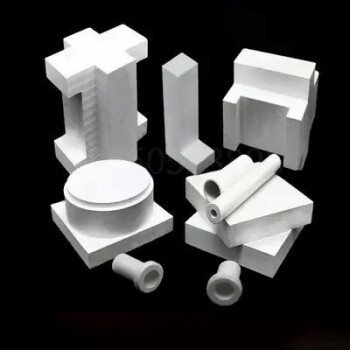
Advanced Engineering Fine Ceramics Boron Nitride (BN) Ceramic Parts
Item Number: KM-P01
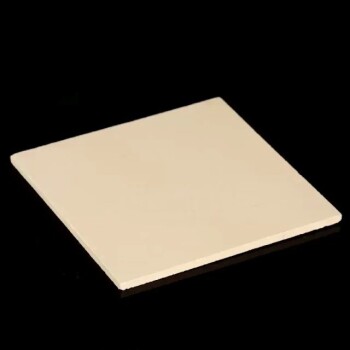
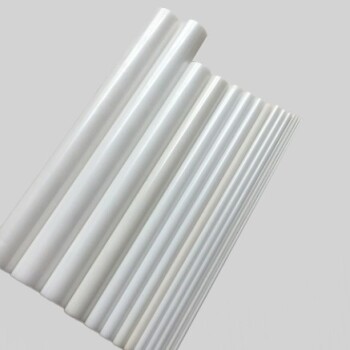
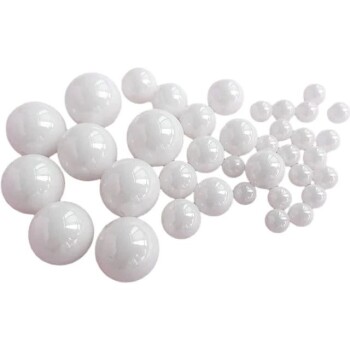
Precision Machined Zirconia Ceramic Ball for Engineering Advanced Fine Ceramics
Item Number: KM-G03
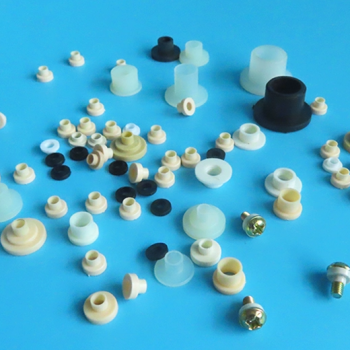
Zirconia Ceramic Gasket Insulating Engineering Advanced Fine Ceramics
Item Number: KM-G04
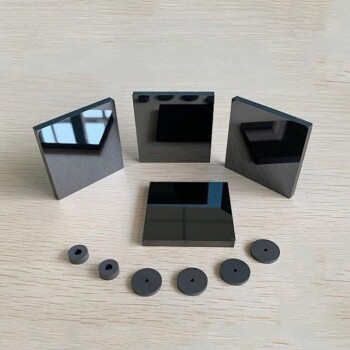
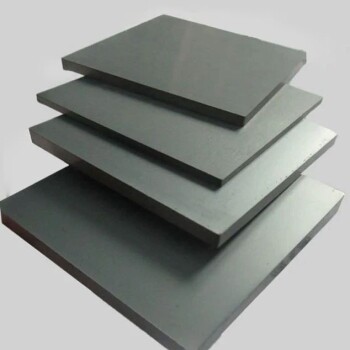
Silicon Carbide (SIC) Ceramic Plate for Engineering Advanced Fine Ceramics
Item Number: KM-DG03
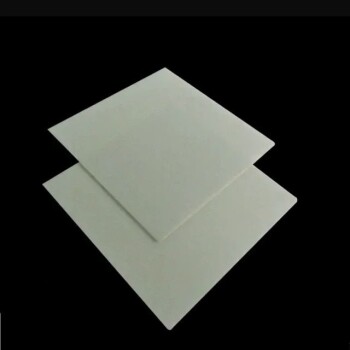
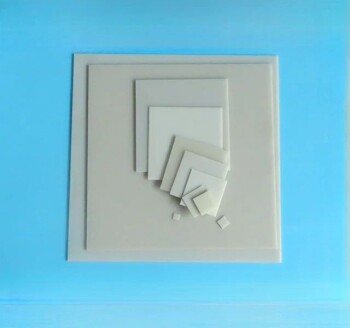
Advanced Engineering Fine Ceramics Aluminum Nitride (AlN) Ceramic Sheet
Item Number: KM-DG05
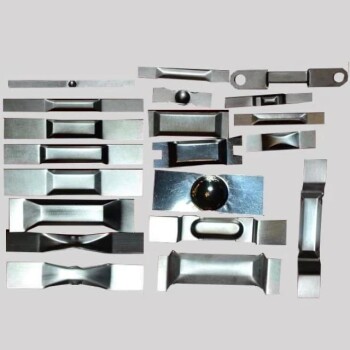
Molybdenum Tungsten Tantalum Special Shape Evaporation Boat
Item Number: KME01-2
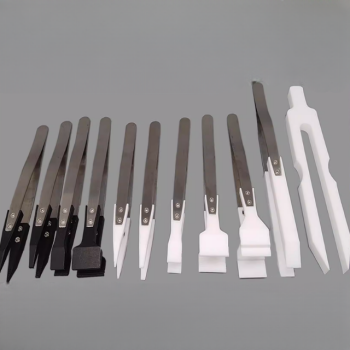
Custom PTFE Teflon Parts Manufacturer for PTFE Tweezers
Item Number: PTFE-12
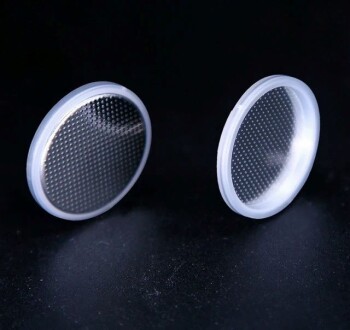
Button Battery Case for Battery Lab Applications
Item Number: BC-01
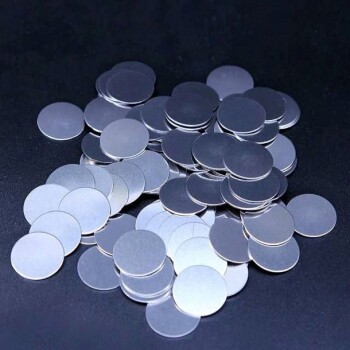
Button Battery Case Gasket for Battery Lab Applications
Item Number: BC-02
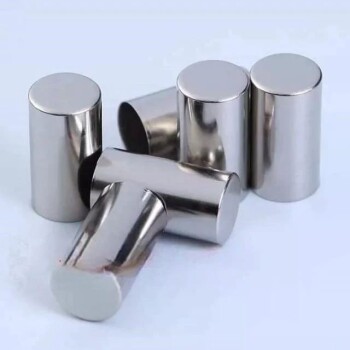
Cylindrical Battery Steel Case for Battery Lab
Item Number: BC-03
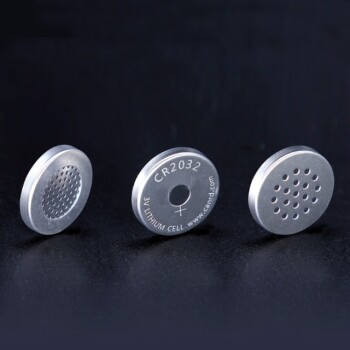
Li-Air Battery Case for Battery Lab Applications
Item Number: BC-04

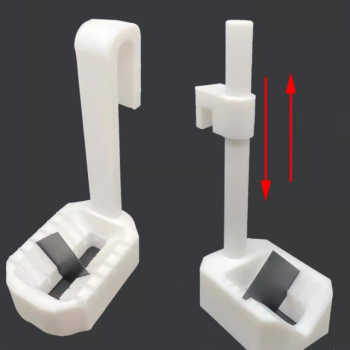
Custom PTFE Wafer Holders for Lab and Semiconductor Processing
Item Number: PTFE-38
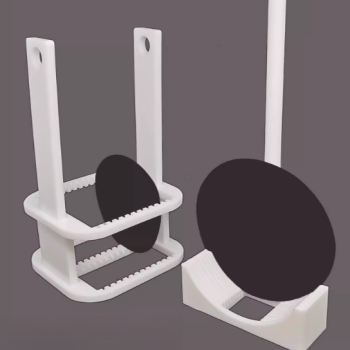
Customizable PTFE Wafer Carriers for Semiconductor and Lab Applications
Item Number: PTFE-39
REQUEST A QUOTE
Our professional team will reply to you within one business day. Please feel free to contact us!
Related Articles
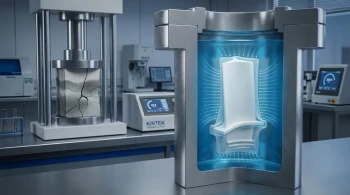
Beyond Brute Force: The Physics of Perfect Density in Cold Isostatic Pressing
Discover how Cold Isostatic Pressing leverages Pascal's Law to achieve uniform density in ceramics and metals, preventing defects in high-stress components.

From Powder to Part: The Strategic Choice Between Wet-Bag and Dry-Bag CIP
A deep dive into wet-bag vs. dry-bag Cold Isostatic Pressing, framing the choice not as technical, but as a strategic manufacturing decision.
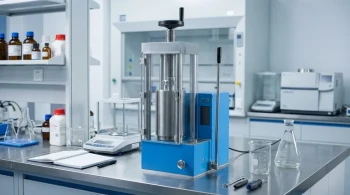
The Architecture of Pressure: How Cold Isostatic Pressing Builds Flawless Materials
Discover how Cold Isostatic Pressing (CIP) uses uniform pressure, not brute force, to create high-density material preforms with perfect consistency.
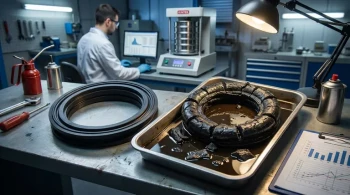
It’s Not a 'Bad Batch': Why Your High-Strength Rubber Parts Are Failing Prematurely
Frustrated by rubber components failing? The cause is rarely a 'bad batch.' Learn the real reason and how to select the right material every time.
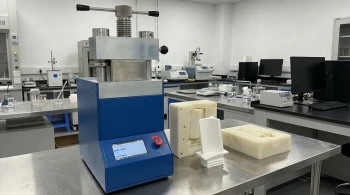
The Tyranny of Unidirectional Force: Why Perfect Parts Begin with Uniform Pressure
Explore how Cold Isostatic Pressing (CIP) leverages Pascal's Law to eliminate hidden flaws in parts, ensuring uniform density and superior results.
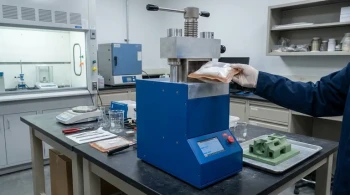
Beyond the Piston: How Isostatic Pressing Solves the Hidden Flaws in Material Science
Cold Isostatic Pressing (CIP) overcomes the hidden density flaws of traditional methods by applying uniform pressure, creating superior material integrity.
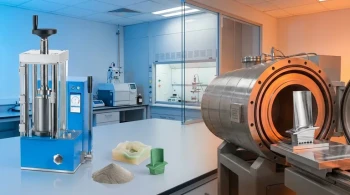
From Dust to Density: The Two Pressures That Shape Modern Materials
Explore the crucial difference between Cold Isostatic Pressing (CIP) for forming parts and Hot Isostatic Pressing (HIP) for perfecting them.
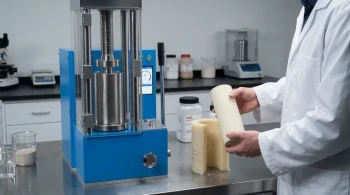
The Unseen Flaw: Why Uniform Density Is Everything in Powder Metallurgy
Traditional pressing creates hidden flaws. Cold Isostatic Pressing (CIP) uses uniform pressure to achieve perfect density, ensuring component integrity.
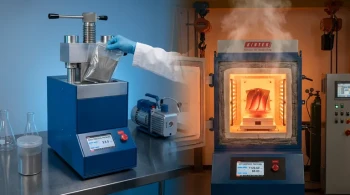
Shaping Potential vs. Forging Perfection: A Guide to Isostatic Pressing
Explore the critical difference between Cold Isostatic Pressing (CIP) for forming parts and Hot Isostatic Pressing (HIP) for perfecting them.
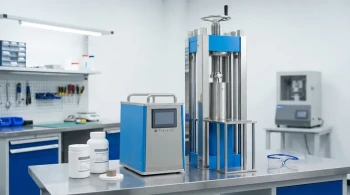
Beyond Brute Force: The Quiet Power of Cold Isostatic Pressing
Learn how Cold Isostatic Pressing overcomes the hidden defects of traditional methods by using uniform fluid pressure to ensure material reliability.
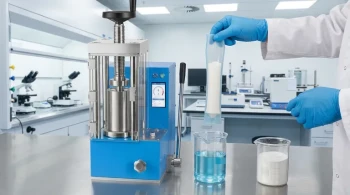
The Pursuit of Uniformity: How Isostatic Pressing Solves the Hidden Flaws of Compression
Discover how Cold Isostatic Pressing (CIP) uses uniform pressure to eliminate hidden material defects and create high-integrity components.
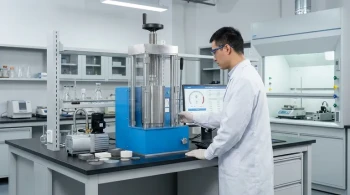
Beyond Brute Force: The Physics of Uniform Density in Cold Isostatic Pressing
Discover how Cold Isostatic Pressing (CIP) uses isostatic pressure to eliminate hidden voids and create components with superior uniform density.
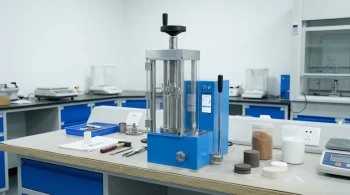
The Price of Uniformity: A Strategic Guide to Cold Isostatic Press Costs
A Cold Isostatic Press's cost reflects its capabilities. Learn how pressure, size, and automation dictate its price to find the right investment.
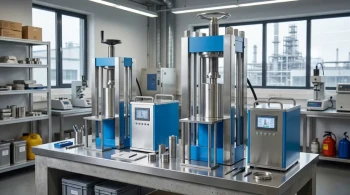
Beyond the Press: Why Uniform Density Is the Bedrock of Advanced Materials
Discover how cold isostatic pressing (CIP) eliminates hidden density variations, a critical step for creating reliable, high-performance components.
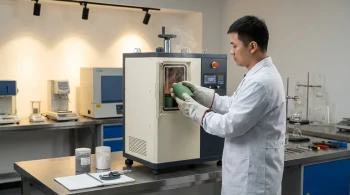
Beyond the Spec Sheet: Mastering the Thermal Dynamics of Warm Isostatic Pressing
Discover why the 80-120°C range is crucial in Warm Isostatic Pressing and how material science, not machine specs, dictates process success.
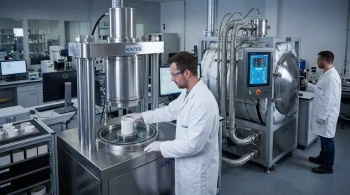
Beyond Brute Force: How Isostatic Pressing Creates Flawless Materials
Explore isostatic pressing, a method using uniform pressure, not brute force, to eliminate microscopic flaws and achieve perfect material density.
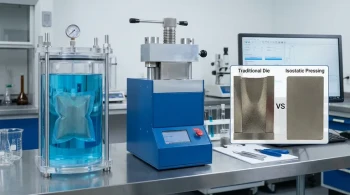
The Tyranny of the Die Wall: How Isostatic Pressing Liberates Material Design
Cold Isostatic Pressing (CIP) overcomes die-wall friction to produce parts with superior density uniformity, enabling complex designs and performance.
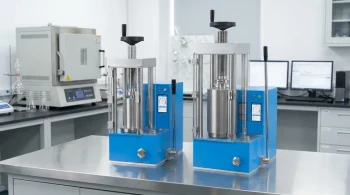
Beyond the Furnace: Mastering Material Density with Cold Isostatic Pressing
Cold Isostatic Pressing (CIP) uses immense room-temperature pressure, not heat, to achieve uniform density in complex parts before sintering.
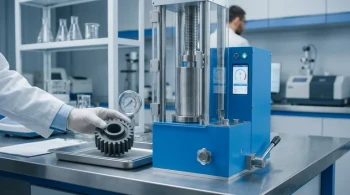
Beyond Brute Force: The Quiet Strength of Uniform Density
Discover why Cold Isostatic Pressing overcomes hidden material flaws by applying uniform pressure, a key for advanced ceramics and complex metals.
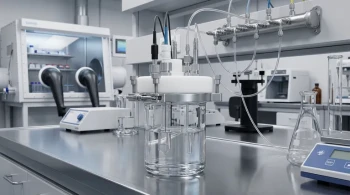
The Architecture of Isolation: Deconstructing the Super-Sealed Electrolytic Cell
Discover the engineering behind super-sealed electrolytic cells. We analyze the critical role of PTFE flanges and how total atmospheric isolation protects sensitive research.