Toggle Categories
Get Instant Support
Choose your preferred way to connect with our team
Response Time
Within 8 hours on working days, 24 hours on holidays
Sample Preparation
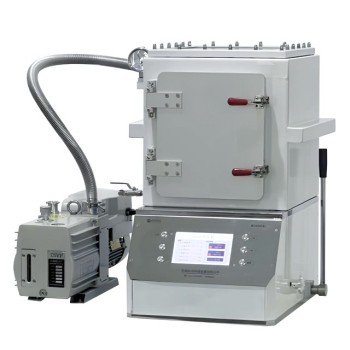
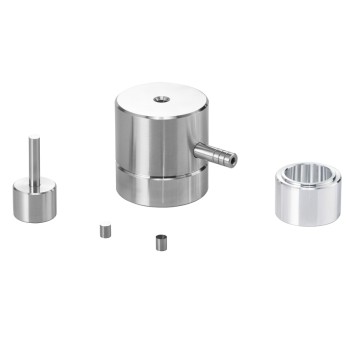
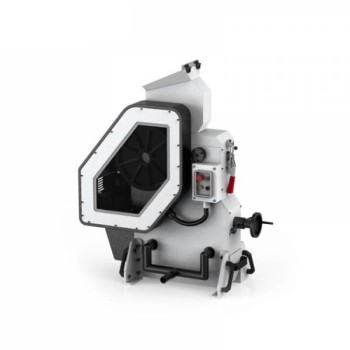
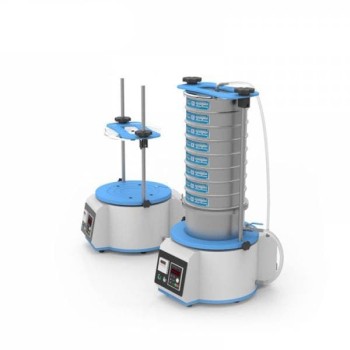
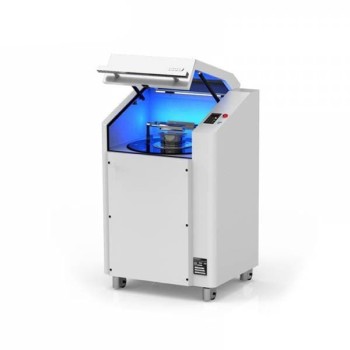
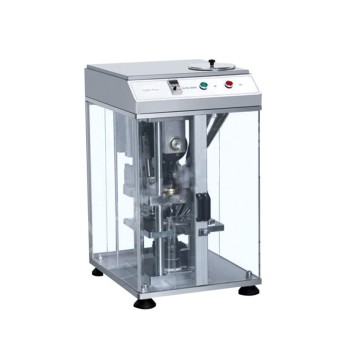
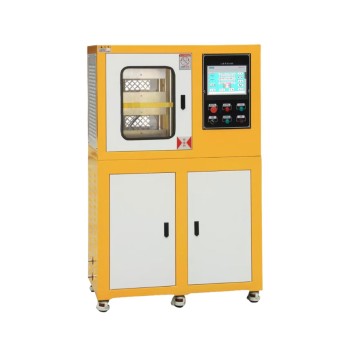
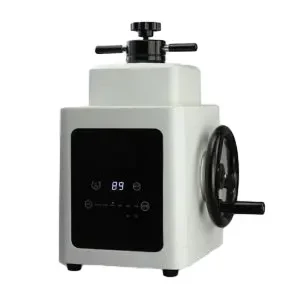
KinTek sample preparation equipment includes sample crushing,milling, as while as while sieving equipment, hydraulic press equipment includes manual press, electric press, isostatic press, hot press and press filtering machine.



Thermal Equipment
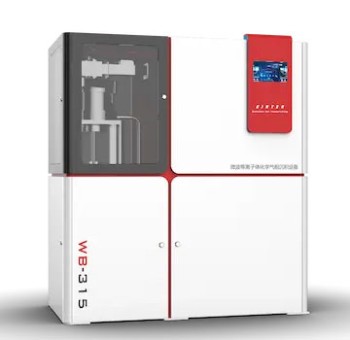
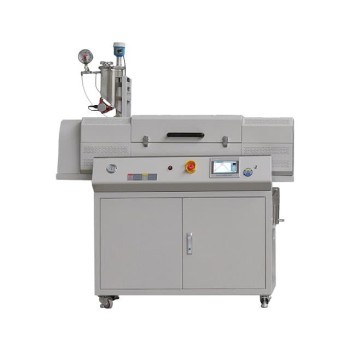
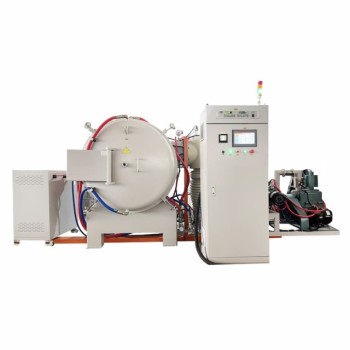
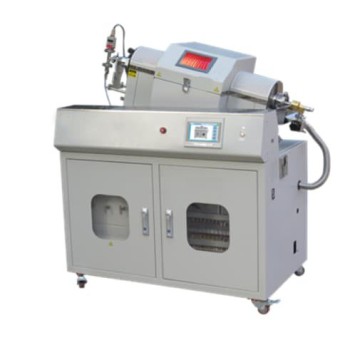
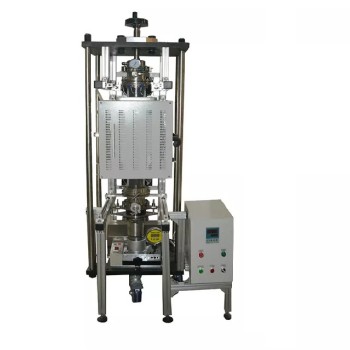
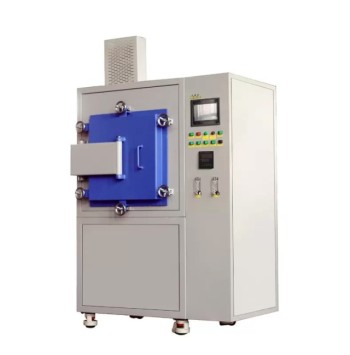
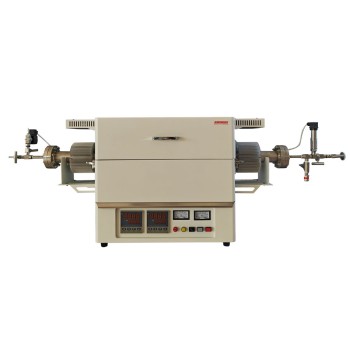
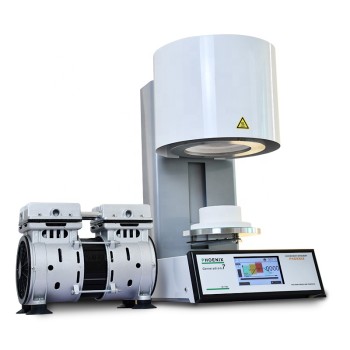
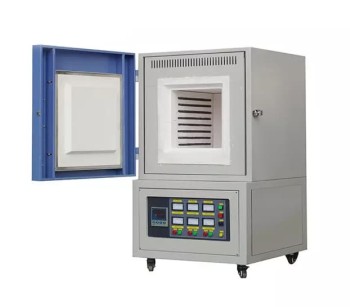
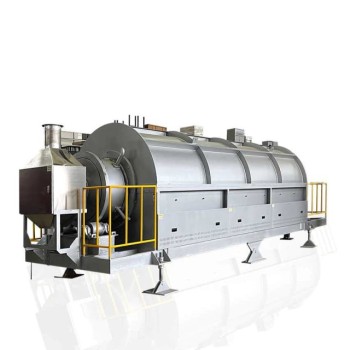
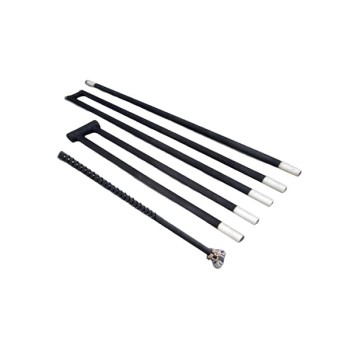
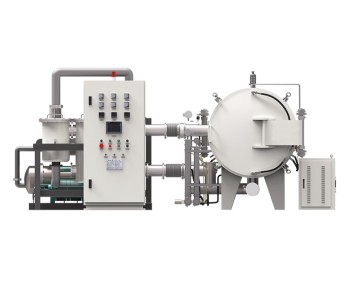
KinTek supplies a broad range of high-temperature furnaces, including lab, pilot production, and industrial production furnaces, with a temperature range of up to 3000 ℃. One of KinTek's advantages is the ability to create custom-made furnaces tailored to specific functions, such as different heating methods and speeds, extra high and dynamic vacuums, controlled atmospheres and gas circuits, automated mechanical structures, and software and hardware development.
Lab Consumables & Materials
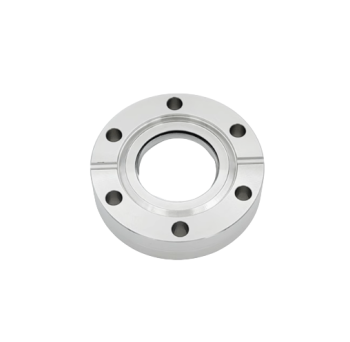
KinTek offers a range of lab consumables and materials, including evaporation materials, targets, metals, electrochemistry parts, as well as powders, pellets, wires, strips, foils, plates, and more.



Bio-Chem Equipment
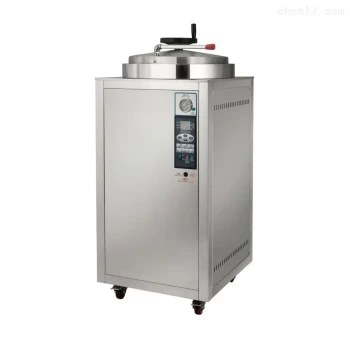
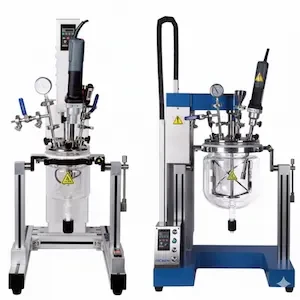
KinTek bio-chem equipment comprises rotary evaporators, glass and stainless steel reactors, distillation systems, circulating heaters and chillers, as well as vacuum equipment.


Products



Vertical Laboratory Tube Furnace
Item Number: KT-VTF

Laboratory Rapid Thermal Processing (RTP) Quartz Tube Furnace
Item Number: KT-RTP

Multi-zone Laboratory Tube Furnace
Item Number: KT-MTF

1200℃ Split Tube Furnace with Quartz Tube Laboratory Tubular Furnace
Item Number: KT-TF12

1400℃ Laboratory High Temperature Tube Furnace with Alumina Tube
Item Number: KT-TF14

1700℃ Laboratory High Temperature Tube Furnace with Alumina Tube
Item Number: KT-TF17

Graphite Vacuum Continuous Graphitization Furnace
Item Number: GF-07

Laboratory Hydraulic Press Lab Pellet Press Machine for Glove Box
Item Number: PCG

Ultra-High Temperature Graphite Vacuum Graphitization Furnace
Item Number: GF-09

Graphite Vacuum Furnace IGBT Experimental Graphitization Furnace
Item Number: GF-02

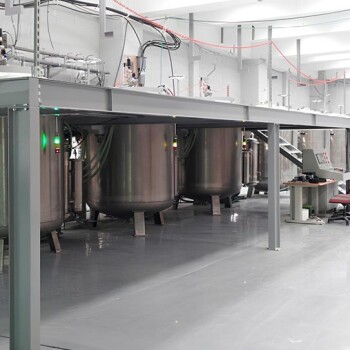
Graphite Vacuum Furnace Negative Material Graphitization Furnace
Item Number: GF-04

Vertical High Temperature Graphite Vacuum Graphitization Furnace
Item Number: GF-05


Large Vertical Graphite Vacuum Graphitization Furnace
Item Number: GF-08

1400℃ Controlled Atmosphere Furnace with Nitrogen and Inert Atmosphere
Item Number: KT-14A

1700℃ Controlled Atmosphere Furnace Nitrogen Inert Atmosphere Furnace
Item Number: KT-17A

Controlled Nitrogen Inert Hydrogen Atmosphere Furnace
Item Number: KT-16AH

Mesh belt controlled atmosphere furnace
Item Number: KT-MB

Vibrating Disc Mill Small Laboratory Grinding Machine
Item Number: KT-JZ

Laboratory Vacuum Tilt Rotary Tube Furnace Rotating Tube Furnace
Item Number: KT-RTF
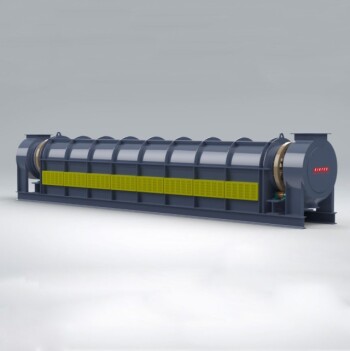

1200℃ Controlled Atmosphere Furnace Nitrogen Inert Atmosphere Furnace
Item Number: KT-12A

Vacuum Heat Treat Furnace and Levitation Induction Melting Furnace
Item Number: KT-VIL

Vacuum Heat Treat Furnace with Ceramic Fiber Liner
Item Number: KT-VF

Dental Porcelain Zirconia Sintering Ceramic Furnace Chairside with Transformer
Item Number: KT-DS10

Laboratory Planetary Ball Mill Cabinet Planetary Ball Milling Machine
Item Number: KT-CPBM

REQUEST A QUOTE
Our professional team will reply to you within one business day. Please feel free to contact us!
Related Articles
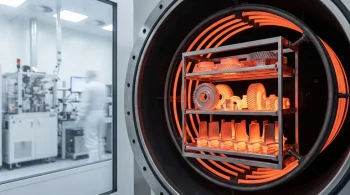
The Tyranny of the Atmosphere: How Vacuum Furnaces Achieve Material Perfection
Vacuum furnaces aren't just for heating; they create a controlled void to eliminate oxidation, ensuring unparalleled material purity and repeatability.
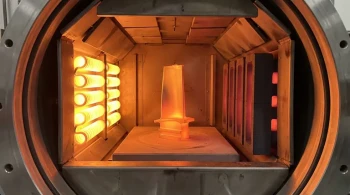
Beyond Temperature: The Critical Trade-offs in Vacuum Furnace Heating Elements
Choosing a vacuum furnace heating element involves balancing temperature, chemical purity, and cost. This guide explores the critical engineering trade-offs.
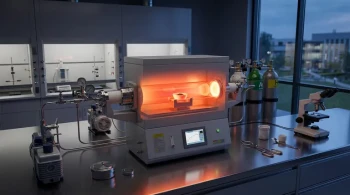
Beyond Heat: Why a Controlled Atmosphere is the Soul of Material Science
A tube furnace's true power lies not just in heat, but in its ability to create a pure, controlled atmosphere for advanced material processing.
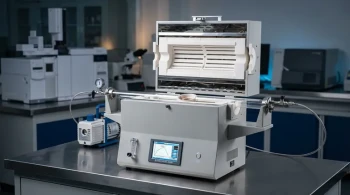
Mastering the Void: Why Control, Not Just Heat, Defines the Modern Tube Furnace
Discover how a tube furnace's design reflects a balance of precision, control, and compromise, and learn how to select the right tool for your lab.
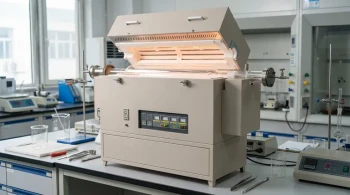
The Geometry of Heat: How a Tube Furnace's Architecture Defines Your Results
Choosing a tube furnace isn't about max temp, but matching its physical architecture—split vs. solid, single vs. multi-zone—to your process needs.
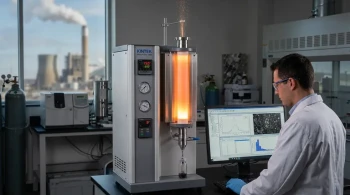
From Kilotons to Microns: The Crucial Role of the Drop Tube Furnace
Discover how drop tube furnaces provide particle-level data to model and optimize massive industrial reactors for combustion and gasification.
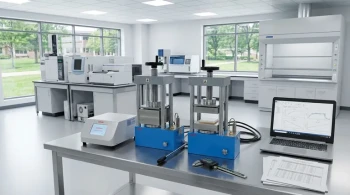
Force Without Fluid: Why Your Hydraulic Press Is a Hidden Bottleneck (And What to Do About It)
Tired of leaks, safety risks, and high energy bills from your hydraulic press? Uncover the core reason and discover modern alternatives for a safer, more efficient lab.
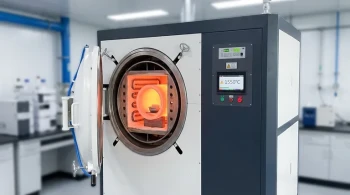
The Weakest Link: Why Your Furnace's True Max Temperature Isn't on the Spec Sheet
The practical max temperature of a vacuum furnace is set by its work tube, not the heating element. Understand the system's weakest link.
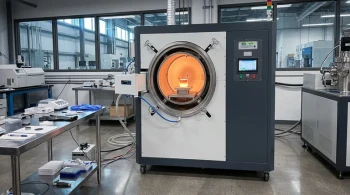
Beyond the Void: Mastering Pressure in High-Temperature Processes
Learn why pressure in a vacuum furnace isn't about emptiness, but precise environmental control to prevent contamination and ensure process success.
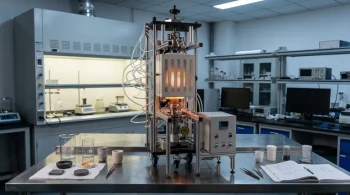
From Powder to Part: The Physics and Philosophy of Hot Pressing
Hot pressing combines heat and pressure to achieve superior material density with less force, solving the fundamental challenge of turning powder into a perfect solid.
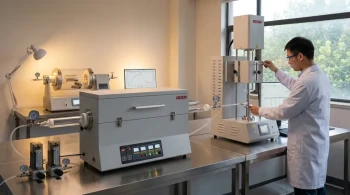
The Geometry of Precision: Why Furnace Orientation Dictates Experimental Success
Choosing a tube furnace isn't just about temperature. Its orientation—horizontal, vertical, or rotary—is a critical decision for your process.
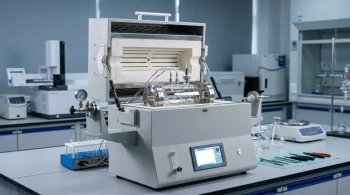
The Unsung Hinge: Why Split Tube Furnaces Are a Quiet Revolution in Lab Workflow
Split tube furnaces are more than a convenience; their hinged design solves a fundamental physical limitation, unlocking new experimental workflows.
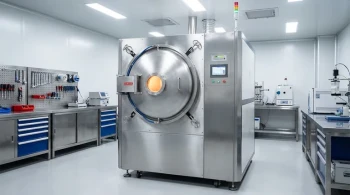
The Tyranny of the Atmosphere: Why Vacuum Furnaces Are About Control, Not Just Heat
Vacuum furnaces solve atmospheric contamination in heat treatment, ensuring material purity and superior mechanical properties for critical components.
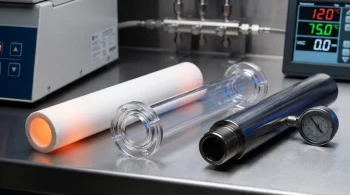
More Than a Vessel: The Physics and Psychology of Selecting a Furnace Tube
Choosing a furnace tube isn't a material spec; it's a strategic trade-off between temperature, purity, and pressure that defines your results.
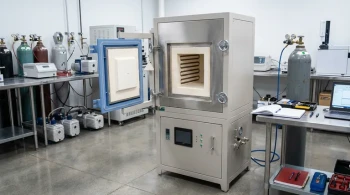
The Pursuit of Emptiness: A Systematic Guide to Vacuum Furnace Integrity
Learn to systematically test vacuum furnace leaks, from rate-of-rise confirmation to helium detection, ensuring process integrity and repeatability.
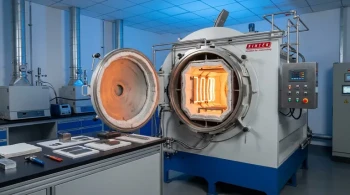
Designing for Emptiness: The Physics of Material Choice in Vacuum Furnaces
In a vacuum furnace, the greatest threat isn't heat but contamination from the furnace itself. Understanding material vapor pressure is key.
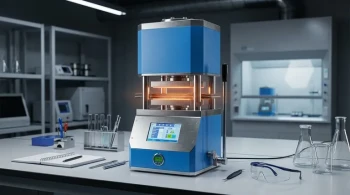
Precision Under Pressure: The Physics and Psychology of the Hydraulic Hot Press
Discover how the synergy of heat and pressure in a hydraulic hot press transforms materials, guided by the elegant physics of Pascal's Law.
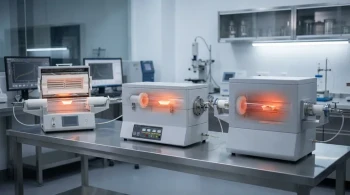
The Geometry of Control: Why the Tube Furnace Is More Than Just a Heater
Discover why a tube furnace's true power isn't just high heat, but its ability to create a perfectly uniform and controlled atmospheric environment.
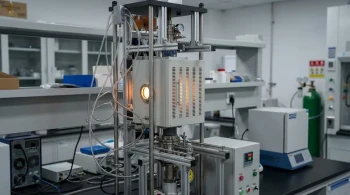
The Physics of Perfection: How Vacuum Hot Presses Overcome the Invisible Barriers in Material Science
A vacuum hot press isn't just a furnace. It creates a controlled environment to prevent oxidation, enabling material densification and bonding.
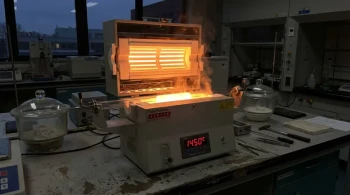
The Material Science of Limits: Navigating the 1450°C Trap in Tube Furnaces
Operating a tube furnace at its 1450°C limit makes its core a consumable, raising costs and risking failure. Understand the engineering trade-offs.