Toggle Categories
Get Instant Support
Choose your preferred way to connect with our team
Response Time
Within 8 hours on working days, 24 hours on holidays
Sample Preparation
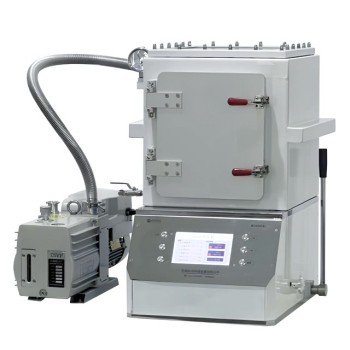
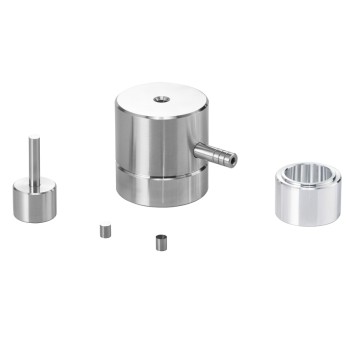
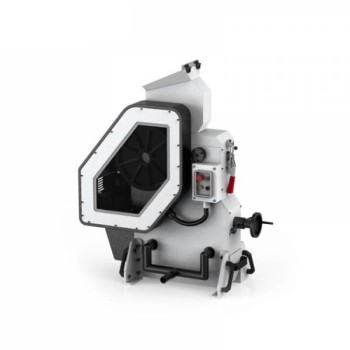
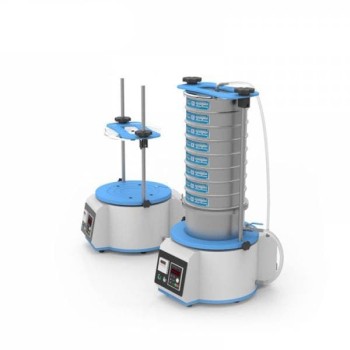
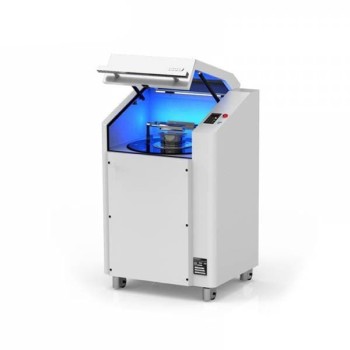
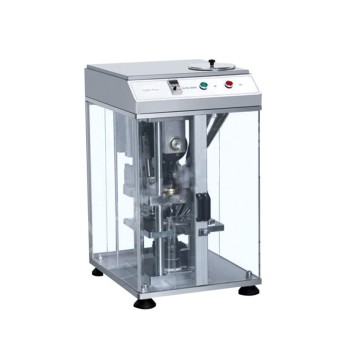
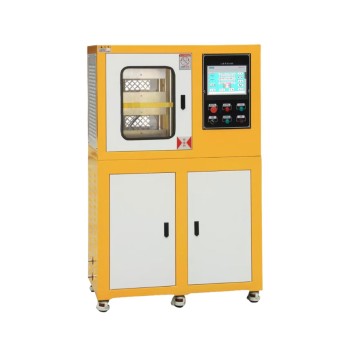
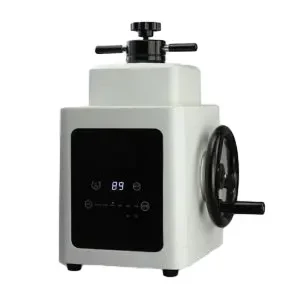
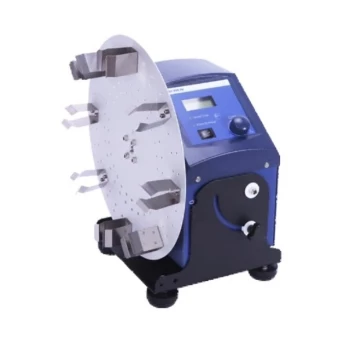
KinTek sample preparation equipment includes sample crushing,milling, as while as while sieving equipment, hydraulic press equipment includes manual press, electric press, isostatic press, hot press and press filtering machine.



Thermal Equipment
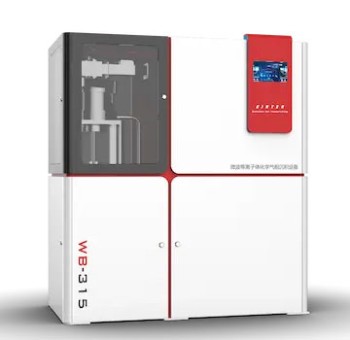
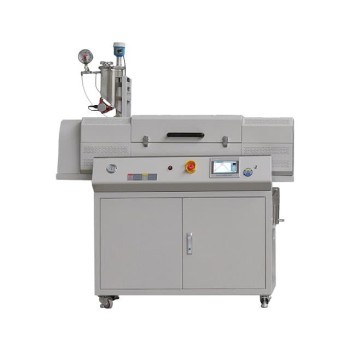
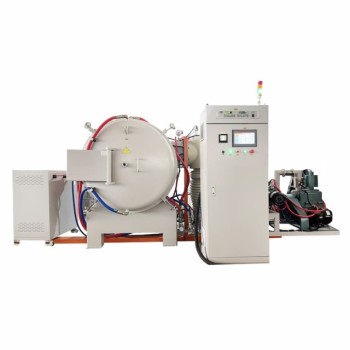
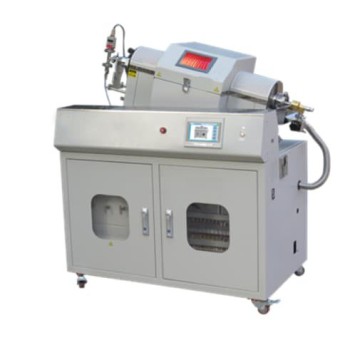
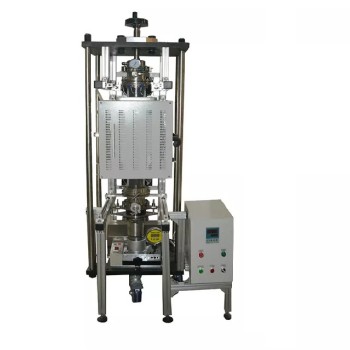
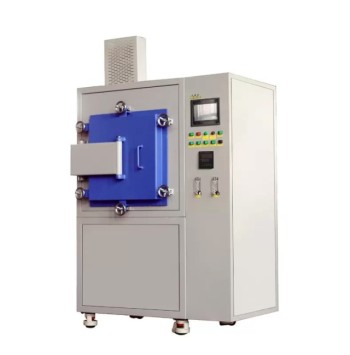
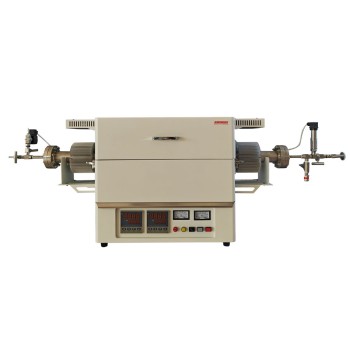
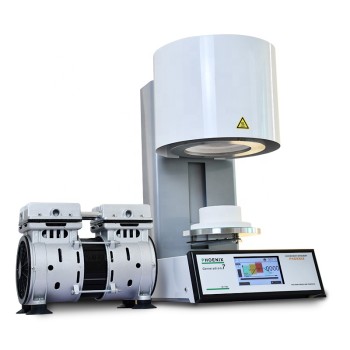
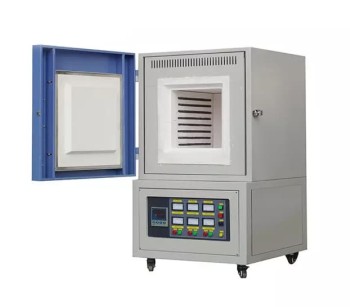
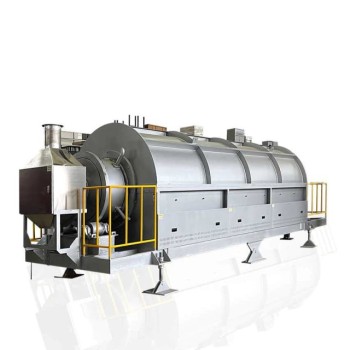
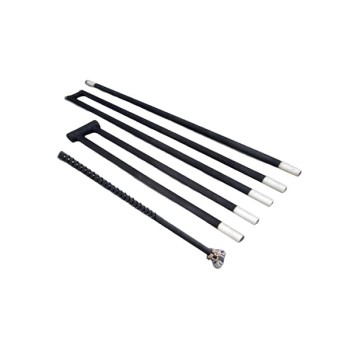
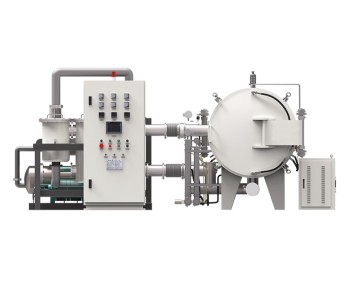
KinTek supplies a broad range of high-temperature furnaces, including lab, pilot production, and industrial production furnaces, with a temperature range of up to 3000 ℃. One of KinTek's advantages is the ability to create custom-made furnaces tailored to specific functions, such as different heating methods and speeds, extra high and dynamic vacuums, controlled atmospheres and gas circuits, automated mechanical structures, and software and hardware development.
Lab Consumables & Materials
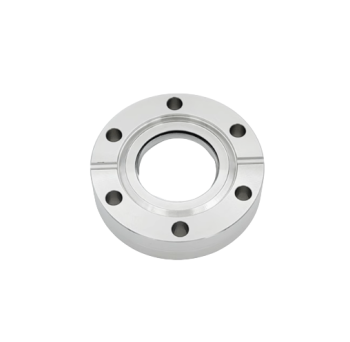
KinTek offers a range of lab consumables and materials, including evaporation materials, targets, metals, electrochemistry parts, as well as powders, pellets, wires, strips, foils, plates, and more.



Bio-Chem Equipment
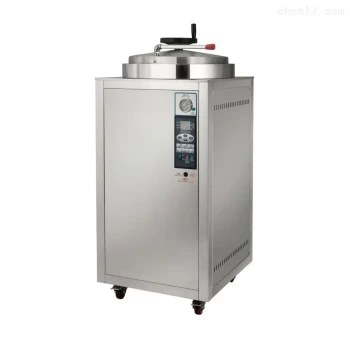
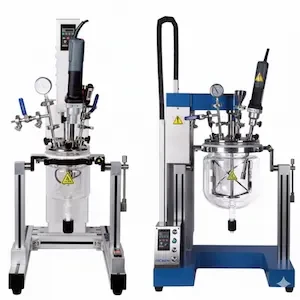
KinTek bio-chem equipment comprises rotary evaporators, glass and stainless steel reactors, distillation systems, circulating heaters and chillers, as well as vacuum equipment.


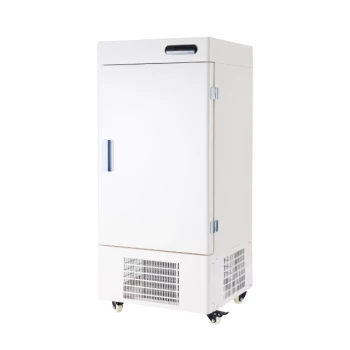
Products

Vacuum Hot Press Furnace Heated Vacuum Press Machine Tube Furnace
Item Number: KT-VTP

Vacuum Hot Press Furnace Machine Heated Vacuum Press
Item Number: KT-VHP





Small Vacuum Heat Treat and Tungsten Wire Sintering Furnace
Item Number: KT-VTW

Vacuum Heat Treat and Sintering Furnace with 9MPa Air Pressure
Item Number: KT-APS

Horizontal High Temperature Graphite Vacuum Graphitization Furnace
Item Number: GF-01
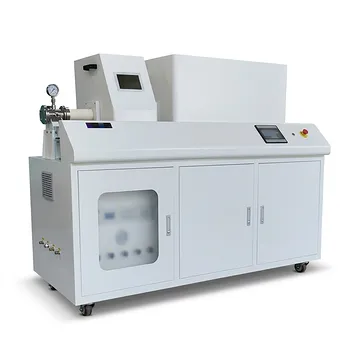

Molybdenum Vacuum Heat Treat Furnace
Item Number: KT-VM

2200 ℃ Graphite Vacuum Heat Treat Furnace
Item Number: KT-VG

2200 ℃ Tungsten Vacuum Heat Treat and Sintering Furnace
Item Number: KT-VT




RF PECVD System Radio Frequency Plasma-Enhanced Chemical Vapor Deposition RF PECVD
Item Number: KT-RFPE

Rotary Tube Furnace Split Multi Heating Zone Rotating Tube Furnace
Item Number: KT-MRTF

Manual Lab Heat Press
Item Number: PCHP
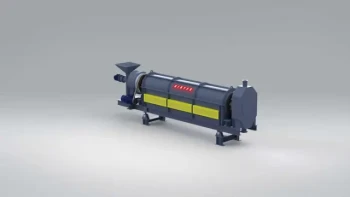
Electric Rotary Kiln Small Rotary Furnace for Activated Carbon Regeneration
Item Number: KT-CRF

Electric Rotary Kiln Small Rotary Furnace Biomass Pyrolysis Plant
Item Number: RBPF

Laboratory Hydraulic Press Split Electric Lab Pellet Press
Item Number: PCES


600T Vacuum Induction Hot Press Furnace for Heat Treat and Sintering
Item Number: KT-VH

Vacuum Heat Treat and Molybdenum Wire Sintering Furnace for Vacuum Sintering
Item Number: KT-VMW

Spark Plasma Sintering Furnace SPS Furnace
Item Number: KTSP
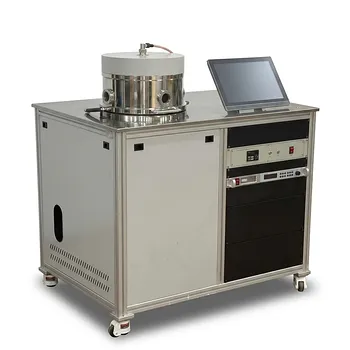


Vacuum Sealed Continuous Working Rotary Tube Furnace Rotating Tube Furnace
Item Number: KT-CRTF

REQUEST A QUOTE
Our professional team will reply to you within one business day. Please feel free to contact us!
Related Articles

Why Your Lab-Scale Bonding Fails: The Hidden Physics of Heat and Pressure
Struggling with delamination or voids in your laminates and composites? Discover the root cause and how to finally achieve perfect, repeatable results.
The Perfect Inferno: Mastering Heat Within a Tube Furnace
Explore the physics of tube furnaces, from Joule heating to the psychological discipline required for precise thermal control in materials science.
More Than Heat: The Controlled Universe of the Modern Tube Furnace
Discover why the tube furnace's true power isn't high heat, but its ability to create a controlled atmospheric environment for advanced materials.
Forging Perfection in a Void: The Physics of Ultra-Dense Materials
Discover how vacuum hot pressing furnaces use heat, pressure, and a pure vacuum to forge ultra-dense, high-purity advanced materials.
From Dust to Density: The Two Pressures That Shape Modern Materials
Explore the crucial difference between Cold Isostatic Pressing (CIP) for forming parts and Hot Isostatic Pressing (HIP) for perfecting them.
The Physics of Purity: Why Heating in a Vacuum Unlocks Material Potential
Discover how vacuum furnaces work by removing reactive gases, enabling pure, oxidation-free heat treatment via thermal radiation for advanced materials.
More Than a Squeeze: The Physics and Psychology of the Hydraulic Hot Press
An insight into the hydraulic hot press, where Pascal's Law meets thermodynamics to reshape materials. A story of force, heat, and control.
Beyond Heat: How Removing Air Redefines Material Perfection
Vacuum furnaces do more than heat materials; they purify them. By removing air, they prevent oxidation and enable superior material properties.
Beyond Heat: The Physics and Psychology of Purity in a Vacuum Tube Furnace
Explore the operational physics of vacuum tube furnaces, where creating a void is as crucial as applying heat for advanced material synthesis.
Mastering the Void: The Tube Furnace and the Science of Purity
Discover why the true power of a tube furnace lies not just in its heat, but in its ability to create a perfectly controlled atmosphere for sensitive materials.
The Glass at its Limit: Why Your 1200°C Furnace Tube Fails Below Spec
The 1200°C rating on a quartz tube is a starting point, not a guarantee. Discover why atmosphere, time, and stress dictate its true limit.
The Unseen Flaw: Why Uniform Density Is Everything in Powder Metallurgy
Traditional pressing creates hidden flaws. Cold Isostatic Pressing (CIP) uses uniform pressure to achieve perfect density, ensuring component integrity.
Perfection vs. Purpose: The Engineer's Choice Between Hot and Cold Pressing
Explore the metallurgical choice between hot and cold pressing—a decision between achieving absolute density and engineering intelligent porosity.
Beyond Temperature: The Art of Control in Thermal Processing
Discover why precise atmospheric and thermal control in a tube furnace, not just heat, is the key to repeatable material science breakthroughs.
Beyond the Furnace: How Pressure Unlocks Ultimate Ceramic Performance
Hot pressing combines heat and pressure to overcome the limits of traditional sintering, creating near-perfectly dense ceramics with superior strength.
The Integrity of the Void: A Systems Approach to Cleaning Tube Furnace Tubes
Cleaning a furnace tube is a diagnostic process, not a checklist. Master thermal, chemical, & mechanical methods to ensure experimental purity.
Shaping Potential vs. Forging Perfection: A Guide to Isostatic Pressing
Explore the critical difference between Cold Isostatic Pressing (CIP) for forming parts and Hot Isostatic Pressing (HIP) for perfecting them.
The Physics of Perfection: How Rotary Furnaces Eliminate Randomness in Material Processing
Discover how dynamic heating in rotary tube furnaces overcomes the flaws of static batches, ensuring uniform, repeatable results for advanced materials.
The Unseen Advantage: How a Tube Furnace Creates Order from Thermal Chaos
Discover how a tube furnace's superior temperature uniformity eliminates variables, ensuring the repeatable results essential for material science.
Heat, Purity, and Control: The Invisible Engineering Inside a Vacuum Furnace
Discover how vacuum furnaces use resistance heating in a void to achieve unparalleled material purity and temperature control for advanced engineering.