All Questions
What Are The Disadvantages Of Ball Milling? Key Limitations In Particle Size Reduction
Explore the main drawbacks of ball milling, including contamination risks, inconsistent particle sizes, high energy use, and potential material damage.
What Is An Attritor Mill? Achieve Rapid, Fine Grinding With High-Intensity Agitation
Discover how attritor mills use high-speed agitation for ultrafine particle size reduction, offering 10-20x faster grinding than ball mills.
What Can A Ball Mill Be Used For? From Industrial Grinding To Nanomaterial Synthesis
Explore ball mill applications: grinding ores, blending powders, and synthesizing nanomaterials. Learn how this versatile tool works across industries.
Who Uses Ball Mill? From Mining To Pharmaceuticals, Discover Its Versatile Applications
Explore the industries that rely on ball mills for grinding, including mining, pharmaceuticals, ceramics, and R&D labs for precise particle reduction.
What Is The Difference Between A Ball Mill And An Attritor? Choose The Right Mill For Your Particle Size Goals
Ball mills use gravity for grinding, while attritors use high-shear stirring. Learn which is faster, more efficient, and better for nano-particles.
What Is An Attritor Used For? Achieve Sub-Micron Grinding & Superior Dispersions
Learn how attritors use high-energy grinding for ultra-fine particle size reduction, stable dispersions, and mechanical alloying in various industries.
What Is The Wet Ball Mill Method? Achieve Fine, Stable Particle Dispersions
Learn how the wet ball mill process grinds materials into fine particles in a liquid medium for uniform, non-clumping dispersions in inks, paints, and more.
What Is The Contamination During Ball Milling? Learn To Control It For Purer Materials
Understand ball milling contamination sources: wear from grinding media & jars. Learn strategies to minimize it for your specific application's purity needs.
What Are The Problems With Ball Mills? High Energy Use, Noise, And Component Wear Explained
Learn about the main challenges of ball mills, including high energy consumption, significant noise, and mechanical wear, and how to manage them effectively.
What Is The Feed And Product Size Of A Ball Mill? Achieve Fine To Ultra-Fine Grinding
Ball mills process feed under 25mm to produce fine powders from 75 microns down to 10 microns. Learn about their role in grinding circuits.
What Is The Product Size Of A Ball Mill? Achieve Micron-Level Precision For Your Materials
Learn how ball mills produce fine powders down to 10 microns or less. Understand the key factors influencing final particle size for your lab needs.
How Does A Ball Mill Reduce Particle Size? Master Particle Size Reduction For Your Lab
Learn how ball mills use impact and attrition to reduce particle size. Explore key factors like speed, media, and duration for optimal results.
What Is The Advantage Of Ball Milling Method? Achieve Cost-Effective Particle Size Reduction & Material Modification
Discover the key advantages of ball milling: a simple, low-cost method for particle size reduction and creating crystal defects in various materials.
What Is The Difference Between A Ball Mill And A Sag Mill? A Guide To Primary Vs. Secondary Grinding
Learn the key differences between SAG and ball mills: SAG mills handle coarse primary grinding, while ball mills perform fine secondary grinding.
What Are The Drawbacks Of A Ball Mill? Understanding Key Limitations For Your Process
Explore the main drawbacks of ball mills, including high energy consumption, contamination risks, and slow processing speed, to make an informed equipment choice.
What Is The Feed Size Of A Ball Mill? Optimize Your Grinding Process For Maximum Efficiency
Learn how ball mill feed size is determined by media size and material properties. Avoid costly inefficiencies and wear.
How Much Volume Should Be Filled In The Ball Mill? Optimize Grinding Efficiency & Reduce Wear
Learn the optimal ball mill fill volume (30-45% for media) to maximize grinding efficiency, control particle size, and reduce energy consumption.
What Is The Ball Milling Process Used For? A Guide To Grinding, Alloying, And Blending Materials
Learn how ball milling reduces particle size, creates alloys, and blends materials for industries like pharmaceuticals, ceramics, and advanced materials.
What Materials Are Used In Ball Milling? Choose The Right Grinding Media For Purity & Efficiency
Discover the key materials for ball mill jars and media, including zirconia, alumina, and tungsten carbide, to ensure sample purity and optimal grinding performance.
What Are Two Advantages Of Ball Mill? Achieve Ultra-Fine Grinding And Versatile Material Processing
Discover the key advantages of ball mills: producing fine powders (≤10 microns) and versatile processing of abrasive, toxic, or sterile materials.
What Are The Advantages Of Ball Milling Process? Achieve Nanoscale Materials & Alloying
Explore ball milling advantages: nanoscale particle reduction, mechanical alloying, and precise material control for advanced research and production.
What Is The Average Speed Of A Ball Mill? Optimize Grinding With Critical Speed Calculations
Ball mill speed isn't fixed. Learn how to calculate the optimal speed (65-75% of critical speed) for maximum grinding efficiency and desired particle size.
What Are The Advantages Of Ball Mill Over Tube Mill? Versatility For Specialized Grinding
Discover key ball mill advantages: superior containment for sterile/toxic materials, wet/dry grinding flexibility, and fine particle size control.
What Are The Limitations Of Ball Milling Method? Understand The Trade-Offs Of Mechanical Grinding
Explore the key limitations of ball milling, including particle size inconsistency, structural damage, and contamination risks for your materials.
What Is The Maximum Speed Of A Ball Mill? Find The Optimal Speed For Efficient Grinding
Learn why ball mill critical speed matters and how to calculate the optimal operating speed for maximum grinding efficiency and particle size control.
How Can You Improve The Efficiency Of A Ball Mill? Optimize Speed, Media, And Material Charge For Peak Performance
Learn how to optimize ball mill efficiency by balancing rotational speed, grinding media, and material charge to maximize throughput and reduce energy waste.
What Are The Parameters Of The Ball Mill Process? Optimize Grinding For Efficiency And Particle Size
Learn how to control ball mill parameters like rotational speed, grinding media, and material properties to achieve precise particle size reduction.
What Affects Particle Size Distribution In Milling? Master The Core Parameters For Precise Control
Learn how grinding media size, milling duration, and rotational speed determine particle size distribution and milling efficiency.
What Is A Ceramic Mill? A Guide To Rust-Proof, Flavor-Pure Grinding
Discover the advantages of ceramic mills: rust-proof burrs, superior flavor purity, and low heat generation for grinding coffee, spices, and salt.
What Is The Machine Used In A Feed Mill? Discover The Complete System For Quality Feed Production
A feed mill uses an integrated system of grinders, mixers, and pellet mills. Learn how each machine works to produce balanced, digestible animal feed.
What Is A Roller Mill Used For In The Pharmaceutical Industry? A Key Tool For Dry Granulation
Learn how roller mills enable dry granulation for moisture-sensitive drugs, improving powder density and flow for tablet manufacturing.
Which Mill Is Used For Grinding? Match The Mill To Your Material For Optimal Results
Discover the right grinding mill for your needs. Learn how ball mills, jet mills, hammermills & colloid mills match different materials and particle size goals.
What Are The Applications Of Roller Mill? Achieve Superior Dispersion For Viscous Materials
Explore roller mill applications in paints, inks, cosmetics, pharmaceuticals & more. Achieve fine particle dispersion & homogenization for quality products.
How Do You Measure A Ball Mill? The D X L Dimensions That Define Capacity & Performance
Learn the industry standard for measuring a ball mill: internal diameter and effective grinding length. Understand how D x L determines capacity, power, and grind.
What Are The Different Types Of Grinding Balls? A Guide To Steel Vs. Ceramic Media For Optimal Milling
Compare steel and ceramic grinding balls: forged steel, chrome cast, alumina, zirconia. Learn how to choose the right media for your milling efficiency and product purity.
What Factors Affect Ball Mill Operation? Master The Variables For Optimal Grinding
Learn how mill speed, grinding media, charge volume, and material properties affect particle size and efficiency in ball mill operation.
What Are The Operating Procedures For A Ball Mill? Master Speed, Media, And Material For Perfect Grinding
Learn the step-by-step ball mill operating procedure, including critical speed control, grinding media selection, and material loading for optimal particle size reduction.
What Is The Preventive Maintenance Of Ball Mill? Ensure Maximum Uptime And Reliability
Learn the key components and schedule for ball mill preventive maintenance to prevent costly breakdowns and maintain grinding efficiency.
In Which Industry Is A Ball Mill Used? From Mining To Nanotech, Unlock Versatile Grinding
Discover ball mill applications in mining, cement, pharmaceuticals, ceramics & nanotechnology for efficient particle size reduction and material processing.
What Are The Advantages And Disadvantages Of A Ball Mill? A Guide To Fine Powder Grinding
Explore ball mill pros and cons: superior fineness for hard materials vs. slow speed and contamination risks. Learn when to use one.
What Are The Limitations Of A Ball Mill? Key Drawbacks In Efficiency And Purity
Explore the main limitations of ball mills, including high energy consumption, slow processing speed, and material contamination risks.
What Is The Difference Between A Bead Mill And A Ball Mill? A Guide To Choosing The Right Grinding Technology
Discover the key differences between bead mills and ball mills, including particle size capabilities, operational principles, and ideal applications for your lab.
What Is The Best Material For A Ball Mill? Choose The Right Grinding Media For Your Application
Discover how to select the best ball mill material—steel, ceramic, or polymer—based on your sample's hardness and contamination requirements.
Why Have We Used Ball Milling For Materials? Achieve Precise Particle Size Reduction And Material Synthesis
Explore the key benefits of ball milling for creating nano-powders, synthesizing novel materials, and its cost-effectiveness in R&D.
What Are The Applications Of Ball Milling Process? From Grinding To Nanomaterial Synthesis
Explore ball milling applications: particle size reduction, mechanical alloying, mineral processing, and nanomaterial synthesis for various industries.
What Are The Advantages Of Ball Mill In Pharmacy? Achieve Fine Powders And Sterile Processing
Explore ball mill benefits in pharma: fine powder production, sterile closed-system design, safe handling of potent APIs, and improved drug bioavailability.
What Is The Use Of A Laboratory Ball Mill? Achieve Fine Grinding, Mixing & Material Synthesis
Discover how a lab ball mill is used for grinding, mixing, and synthesizing materials like ceramics, chemicals, and nanomaterials through high-energy impact.
What Can A Ball Mill Produce? Achieve Fine Powders And Slurries For Your Materials
Discover how a ball mill produces fine powders and slurries from hard, abrasive, or delicate materials through impact and attrition grinding.
What Is A Ball Mill Used In Pharmaceutical Industry? Achieve Superior Particle Size Reduction For Drug Efficacy
Discover how ball mills provide precise particle size reduction, sterility, and operator safety for pharmaceutical manufacturing of APIs and excipients.
What Is The Procedure Of A Ball Mill Experiment? Master Particle Size Reduction For Your Lab
Learn the step-by-step ball mill procedure for precise particle size reduction. Control speed, time, and media to achieve consistent, reproducible results.
How Does A Ball Mill Machine Work? Master Impact And Attrition For Precise Grinding
Learn how a ball mill uses impact and attrition to grind materials. Understand the role of speed, media, and mill design for optimal particle size reduction.
Why Is It Necessary To Grind The Sample? Unlock Accurate Analysis & Efficient Processing
Learn why grinding is essential for sample homogeneity, increased surface area, and accurate lab results. Avoid contamination and heat risks.
Why Grinding Is Important In Laboratory Techniques? Ensure Accurate & Reproducible Results
Discover why grinding is a critical lab step for sample homogeneity, increased surface area, and efficient extraction to ensure accurate analytical results.
Which Method Of Grinding Is Most Effective For Small Samples? Maximize Yield And Integrity For Precious Materials
Discover the best grinding methods for small samples, including bead mills and cryogenic grinding, to prevent loss, contamination, and heat degradation.
What Size Is A Ball Mill? A Guide From Benchtop To Industrial Scale
Ball mill sizes range from lab jars to 10m+ industrial mills. Learn how to select the right size based on throughput, material hardness, and fineness.
What Is The Laboratory Apparatus Used For Grinding? Find The Perfect Mill For Your Sample
Learn how to select the right lab mill or mortar & pestle based on your sample's properties—from hard, brittle materials to soft, elastic substances.
What Is Sample Grinding? Achieve Accurate Analysis With Proper Sample Preparation
Learn why sample grinding is critical for creating homogenous powders and ensuring reliable analytical results in your lab. Discover methods and best practices.
Why Is Grinding Important In Sample Preparation? Ensure Accurate & Reliable Analytical Results
Learn why grinding is critical for sample homogeneity, preventing sampling bias, and ensuring the accuracy of analytical techniques like spectroscopy.
What Is Use For Grinding In The Laboratory? Select The Right Mill For Accurate Sample Prep
Guide to lab grinding equipment: Compare jaw crushers, vibratory mills, planetary mills & more. Choose the right mill for your material and analysis needs.
What Is The Use Of Grinding In Laboratory? Unlock Accurate & Homogeneous Sample Analysis
Learn how lab grinding ensures sample homogeneity, increases surface area, and enables precise analysis for reliable results in your research.
How Does Grinding Process Work? Master Particle Size Reduction For Superior Materials
Learn how grinding uses impact and attrition to reduce particle size, enhancing material reactivity and uniformity for your lab applications.
What Lab Equipment Would Be Use To Crush Or Grind A Substance? A Guide To Choosing The Right Tool
Discover the best lab equipment for crushing and grinding substances, from jaw crushers to planetary mills, to ensure accurate sample preparation.
What Laboratory Apparatus Is Used For Grinding? Match The Right Mill To Your Sample Material
Explore the best laboratory mills for grinding: ball, planetary, vibratory, and jaw crushers. Learn how to select the right tool for your sample and particle size needs.
What Is The Difference Between A Grinder And A Wet Grinder? Choose The Right Tool For Perfect Results
Discover the key differences between a mixer grinder and a wet grinder: high-speed blades vs. slow stone grinding. Learn which is best for your kitchen needs.
Can I Use Wet Grinder For Dry Grinding? Avoid Damaging Your Kitchen Appliance
Discover why a wet grinder is unsuitable for dry grinding. Learn the mechanical differences and risks of motor damage and poor texture results.
What Is Used For Grinding In The Lab? Match The Right Mill To Your Sample's Properties
Explore lab grinding equipment: ball mills, vibratory mills, cutting mills & jaw crushers. Choose the right tool for your sample's hardness and analysis needs.
What Safety Checks Should You Do Before Using A Grinder? Master The 3-Pillar Inspection For Accident-Free Operation
Essential pre-use grinder safety checks for PPE, tool condition, and abrasive wheel integrity to prevent serious workshop injuries.
What Are The Safety Precautions When Using A Grinder? Protect Yourself From High-Speed Hazards
Essential grinder safety guide: Learn critical precautions for PPE, wheel inspection, and kickback prevention to avoid severe injury.
What Is The Use Of Grinder In Laboratory? Achieve Accurate & Homogeneous Sample Preparation
Learn how lab grinders homogenize samples for reliable analysis in pharma, food, agriculture, and materials science. Essential for accurate results.
Why Is Crushing And Grinding A Sample Necessary? Ensure Accurate & Reliable Material Analysis
Learn why crushing and grinding is essential for creating homogeneous samples, reducing sampling error, and ensuring accurate analytical results in material testing.
What Is A Grinder Used In Labs? Essential For Homogeneous Sample Preparation & Analysis
Learn how lab grinders create uniform powders for accurate analysis. Explore types, benefits, and how to choose the right grinder for your sample.
Why Is Grinding Important In Laboratory? Ensure Sample Homogeneity For Accurate Results
Discover why laboratory grinding is essential for creating homogeneous samples, increasing surface area, and meeting analytical instrument requirements.
What Are The Different Types Of Grinding Mills? Match The Mechanism To Your Material For Optimal Size Reduction
Explore grinding mill types: impact/attrition for hard materials, shearing for soft/fibrous samples. Learn how to select the right mill for your lab's needs.
What Is Grinder In Chemistry? A Guide To Precision Sample Preparation
Learn how a grinder is used in chemistry for particle size reduction, increasing surface area, and ensuring sample homogeneity for accurate analysis.
What Does A Grinder Do In A Laboratory? Achieve Homogeneous Sample Preparation For Accurate Analysis
Discover how lab grinders prepare samples by reducing particle size, ensuring homogeneity, and enabling reliable chemical and physical analysis.
What Is The Process Of Media Milling? Achieve Sub-Micron Particle Size Reduction
Learn how media milling uses grinding beads and high-energy collisions to create stable, homogenous dispersions with fine particle sizes.
What Are The Disadvantages Of Milling In Pharmaceutical Industry? Minimize Api Degradation And Process Risks
Learn the key drawbacks of pharmaceutical milling, including thermal degradation, amorphization, and contamination risks for your API.
What Are The Limitations Of Ball Mills? Understanding The Trade-Offs Of High-Volume Grinding
Explore the key limitations of ball mills, including high energy consumption, noise, and operational costs, to determine if they are right for your project.
What Is The Ball Mill Method Of Mixing? Achieve Precise Particle Size Reduction
Learn how the ball mill method uses impact and attrition to grind materials into fine powders of 10 microns or less, ideal for abrasive or hazardous substances.
What Is Wet Grinding And Dry Grinding? Choose The Right Method For Your Materials
Understand the key differences between wet and dry grinding, including advantages, limitations, and how to select the best method for your material processing needs.
Why Is It Beneficial To Use A Wet Mill As Opposed To A Dry Mill? Achieve Cleaner, Brighter Coffee Flavors
Discover the key benefits of wet milling vs dry milling for coffee processing, including flavor clarity, consistency, and precise control over your final cup profile.
What Types Of Mills Are Used For Dry And Wet Grinding? Ball Mills Vs. Hammermills Explained
Learn the key differences between ball mills and hammermills for dry and wet grinding processes. Choose the right mill for your material properties and production needs.
What Are The Advantages Of Ball Milling? Achieve Superior Particle Size Reduction & Material Synthesis
Discover the key benefits of ball milling, from efficient particle size reduction to mechanical alloying and cryomilling for high-purity nanomaterials.
How Do Grinding Mills Work? Choose The Right Method For Your Material
Learn how grinding mills use friction, pressure, or impact to reduce particle size. Choose the right mill for homogenization or fine powder production.
How Does A Ball Mill Work? Harness Impact And Attrition For Fine Grinding
Learn how a ball mill uses tumbling media to grind materials via impact and attrition. Discover the key components and operational principles for efficient size reduction.
What Is The Function Of Laboratory Mills? Achieve Precise Particle Size Control For Accurate Analysis
Learn how lab mills grind materials for uniform samples, crucial for reliable analysis in pharmaceuticals, chemicals, and material science.
What Are The Disadvantages Of Bead Milling? Managing Contamination, Heat, And Process Complexity
Explore the key drawbacks of bead milling, including contamination risks, heat generation, and complex process control for labs and production.
What Are The Disadvantages Of Roller Mills? Key Limitations In Particle Size And Material Handling
Explore the main drawbacks of roller mills, including inability to achieve ultra-fine particles, high wear from abrasives, and difficulty processing sticky or moist materials.
What Is A Dispersion Mill? Unlock The Power Of High-Shear Mixing For Fine Suspensions
Learn how a dispersion mill works to deagglomerate powders and create stable suspensions. Discover its uses, limitations, and how it differs from mixing and grinding.
What Is A Ball Mill Used For In Ceramics? Achieve Ultimate Control Over Glaze And Clay Quality
Discover how a ball mill grinds raw materials into fine powders and mixes glazes for consistent, professional ceramic results. Essential for serious artists.
What Is A Colloid Mill Also Known As? Discover The Rotor-Stator Mill For High-Shear Processing
A colloid mill is also known as a rotor-stator mill. Learn how it works for emulsification, dispersion, and particle size reduction in various industries.
What Are The Different Types Of Milling In Pharma? A Guide To Wet Vs. Dry Milling Techniques
Explore wet and dry milling methods in pharma. Learn how to choose the right technique to enhance drug solubility, bioavailability, and formulation stability.
What Is The Principle Of Colloidal Mill In Pharmaceutical Engineering? Achieve Stable Emulsions & Homogeneous Suspensions
Learn how colloidal mills use high-shear rotor-stator design for pharmaceutical applications like creating stable emulsions and homogeneous suspensions.
Does Milling Reduce Particle Size? Achieve Precise Control Over Your Material's Properties
Learn how milling reduces particle size to increase surface area, improve reactivity, and enhance material homogeneity for superior product performance.
What Is The Particle Size Of A Colloid Mill? Achieve 1-5 Micron Emulsions For Superior Stability
Learn how a colloid mill achieves particle sizes of 1-5 microns through high-shear rotor-stator technology for stable emulsions and suspensions.
What Is The Purpose Of Colloid Milling? Achieve Superior Homogenization And Stability For Your Products
Learn how a colloid mill creates stable emulsions and dispersions through high-shear force, ensuring product uniformity and long shelf-life.
What Is The Capacity Of A Colloid Mill? A Guide To True Throughput Vs. Rated Specs
Colloid mill capacity ranges from 10 to 20,000 L/h. Learn how viscosity, particle size, and motor power determine your actual throughput.
What Is A Colloidal Mill? A Guide To High-Shear Mixing For Stable Emulsions And Dispersions
Learn how a colloidal mill uses high shear forces to create stable emulsions and dispersions for food, pharmaceutical, and chemical industries.
What Are The Components Of A Colloid Mill? Master The Core Mechanism For Superior Emulsification
Learn about the key components of a colloid mill: rotor, stator, shear gap, and more. Understand how they work together for homogenization and particle size reduction.
What Is The Mechanical Design Of A Ball Mill? Unlock The Engineering Behind Efficient Grinding
Explore the core mechanical components of a ball mill, including the shell, liners, grinding media, and drive system, for optimal size reduction.
Related Products

Mini Planetary Ball Mill Machine for Laboratory Milling

Laboratory Ball Mill Jar Mill with Metal Alloy Grinding Jar and Balls

Laboratory Jar Ball Mill with Alumina Zirconia Grinding Jar and Balls

Laboratory Jar Mill with Agate Grinding Jar and Balls
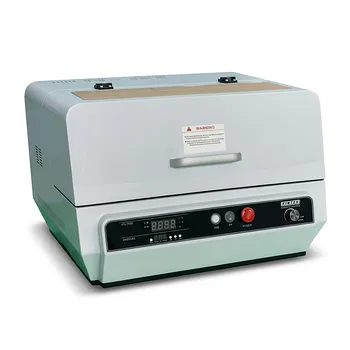
High Energy Vibratory Laboratory Ball Mill Double Tank Type
