All Questions
How Often Do Autoclaves Need To Be Serviced? A Guide To Risk-Based Maintenance Schedules
Learn how autoclave servicing frequency is determined by usage, from 40-hour tests for pathogens to semi-annual checks for general lab materials.
How Long Are Autoclaved Instruments Good For? The Truth About Sterility And Storage
Autoclaved instruments are sterile indefinitely if packaging is intact. Learn event-related sterility principles for lab safety and compliance.
When Should You Replace An Autoclave? A Guide To Ensure Safety, Efficiency, And Compliance.
Learn the 3 critical triggers for autoclave replacement: safety risks, performance failure, and technological obsolescence to protect your lab operations.
What Is The Lifespan Of An Autoclave? Maximize Your Equipment's Lifespan With Expert Care
Learn how to extend your autoclave's lifespan to 10-20 years with proper maintenance, water quality, and usage practices.
How Often Do We Need To Perform Maintenance On The Autoclave Machine? A Guide To High-Risk Vs. General Use
Learn the critical autoclave maintenance schedule based on usage: every 40 hours for high-risk materials or every 6 months for general sterilization.
How Do You Clean An Autoclave In A Lab? Ensure Sterilization Efficacy & Extend Equipment Life
Learn the essential steps for cleaning an autoclave's chamber, gasket, and drain system to guarantee sterilization success and prevent costly damage.
What Are The Maintenance Procedures For Autoclave? Ensure Sterilization Safety And Reliability
Learn essential autoclave maintenance steps for user safety, equipment longevity, and compliant sterilization cycles. From daily cleaning to professional inspections.
What Are The Common Sterilization Methods In A Laboratory? A Guide To Choosing The Right Technique
Compare autoclaving, dry heat, chemical gas, radiation, and filtration sterilization methods for labs. Learn which is best for your materials and applications.
How Long Is The Sterilization Cycle In An Autoclave? It's More Than Just 15 Minutes
Learn the full autoclave cycle time, including purge, sterilization, and exhaust phases, and why load type and size matter.
What Are The Minimum Temperature And Pressure Requirements For Autoclave Steam Sterilization? Ensure Complete Sterility In Your Lab
Learn the critical minimums: 121°C & 15 psi for autoclave sterilization. Understand the interplay of temperature, pressure, time, and steam quality for success.
What Is The Pressure Required In An Autoclave? Achieve Sterile Results With 15 Psi
Discover why 15 PSI is the standard autoclave pressure for raising steam temperature to 121°C for effective sterilization of lab equipment.
What Are The Pros And Cons Of Autoclave? Unlock Fast, Economical Sterilization
Explore the advantages and limitations of autoclaves, including speed, cost-effectiveness, and material compatibility for heat and moisture-sensitive items.
What Are The Limitations And Disadvantages Of Autoclaves? Ensure Sterilization Success By Avoiding Common Pitfalls
Learn the key limitations of autoclaves, including material incompatibility, cycle times, and the critical importance of choosing the right autoclave class for your instruments.
What Is Important To Use To Ensure That An Autoclave Is Properly Sterilizing? A Guide To Sterilization Assurance
Learn how to verify autoclave sterilization using physical indicators and proper process control of steam, temperature, and time.
What Are 2 Functions Of An Autoclave? Achieve Complete Sterilization And Decontamination
Discover the two primary functions of an autoclave: sterilizing materials and decontaminating waste using high-pressure steam for lab safety.
How Does Autoclave Destroy Bacteria? Harness The Power Of Pressurized Steam For Sterility
Learn how autoclaves use high-pressure steam to denature bacterial proteins, ensuring complete sterilization for lab equipment and media.
How Does The Lab Autoclave Work? Achieve Complete Sterilization With High-Pressure Steam
Learn how a lab autoclave uses high-pressure steam to sterilize equipment, media, and waste by reaching temperatures lethal to all microorganisms.
Why Is Autoclaving The Best Method For Sterilization? Achieve 100% Sterility With Pressurized Steam
Discover why autoclaving is the gold standard for sterilization, using pressurized steam to destroy all microbes, including resistant spores.
What Is The Most Common Sterilization Technique Used In Labs? Mastering The Autoclave For Unmatched Safety
Discover why steam sterilization via autoclave is the lab gold standard for its effectiveness, speed, and safety for glassware, media, and waste.
Do Liquids Boil In An Autoclave? How To Safely Sterilize Media Without Boil-Over
Learn why liquids don't boil during sterilization but can erupt if depressurized incorrectly. Ensure safe, effective autoclave cycles for your lab media.
What Type Of Sterilizer Is Used For Sterilizing Liquids? Choose The Right Method For Your Lab
Learn the key differences between autoclaving and sterile filtration for liquid sterilization, including how to prevent boil-over and handle heat-sensitive solutions.
What Cannot Be Sterilized In An Autoclave? Protect Your Lab From Heat And Moisture Damage
Learn which materials are unsafe for autoclaving, including heat-sensitive plastics, oils, powders, and corrosive chemicals that can cause damage or hazards.
Can Autoclave Sterilize Liquid? Master Safe And Effective Liquid Sterilization
Learn how to safely sterilize water-based liquids in an autoclave using a dedicated liquid cycle to prevent boil-over and ensure effectiveness.
How Long Should An Autoclave Cycle Be? A Guide To Optimizing Sterilization Time
Autoclave cycle times vary from 3 to 60+ minutes. Learn how load type, packaging, and autoclave model determine the correct sterilization duration.
How Long Does An Autoclave Take To Sterilize? Optimize Your Sterilization Cycle For Safety & Efficiency
Learn the key factors that determine autoclave sterilization time, from load type to temperature, to ensure safety and prevent material damage.
Is A Uv Sterilizer As Good As An Autoclave? The Critical Difference Between Sterilization And Disinfection
Understand why autoclaves provide true sterilization for lab equipment, while UV devices only disinfect surfaces. Essential for lab safety.
What Are The Three Types Of Sterilizers? Choose The Right Method For Your Lab
Discover the 3 main sterilizer types: heat, chemical, and radiation. Learn how to select the best method for your materials and application needs.
What Is The Difference Between Uv Sterilizer And Autoclave? Sterilization Vs. Disinfection Explained
Learn the key differences between autoclaves (sterilization) and UV sterilizers (disinfection) to choose the right method for your lab or medical needs.
Is A Sterilizer An Autoclave? Understand The Key Differences For Your Lab
Learn the difference between a sterilizer and an autoclave. Discover the best sterilization method for your lab equipment and materials.
What Are The Limitations Of Autoclave? Understanding Material And Operational Constraints
Discover the key limitations of autoclaves, including material incompatibility, operational risks, and procedural requirements for effective sterilization.
What Types Of Instruments Cannot Be Autoclaved? Protect Your Lab Equipment From Damage
Learn which materials like heat-sensitive plastics, carbon steel sharps, and oils cannot be autoclaved to ensure effective sterilization and prevent instrument damage.
Why Is Autoclave Temperature 134? Achieve Rapid Sterilization For Critical Instruments
Learn why 134°C is the standard for fast autoclave sterilization, ideal for destroying prions and ensuring quick instrument turnaround in clinical settings.
Why Is Autoclaving Done At 121°C? Achieve Absolute Sterility By Destroying Resistant Spores
Discover why 121°C is the standard for autoclaving. Learn how this temperature ensures sterility by reliably killing heat-resistant bacterial endospores.
What Are The 3 Most Common Machines Used In Sterilization? Choose The Right Method For Your Materials
Compare steam autoclaves, ethylene oxide gas, and dry heat sterilizers to select the best method for your heat-sensitive or moisture-tolerant items.
Why Is Autoclaving So Vital? The Definitive Guide To Steam Sterilization
Learn why autoclaving is the gold standard for sterilization, using pressurized steam to destroy all microbes, including resilient spores.
Why Is Autoclaving The Most Effective? Harness The Power Of Pressurized Steam For Absolute Sterility
Discover why autoclaving is the gold standard for sterilization, using high-pressure steam to denature proteins and kill even resistant spores effectively.
How Is Temperature Controlled In Autoclave? Master The Link Between Pressure And Sterilization
Learn how autoclaves use steam pressure to control temperature for effective sterilization. Understand the physics, sensors, and critical role of air removal.
How Long Does It Take An Autoclave To Heat Up? A Guide To Total Cycle Times
Autoclave heat-up is 15-45 min, but total cycle time is 60 min to 3+ hours. Learn the 3 phases for effective sterilization.
What Is The Most Efficient Method Of Sterilization? Match The Right Method To Your Materials
Discover the most efficient sterilization methods, from autoclaving to filtration and dry heat. Learn how to choose the right one for your lab's needs.
What Is An Alternative To Autoclaving For Sterilizing Heat Sensitive Materials? Compare Methods & Risks
Explore alternatives to autoclaving for heat-sensitive materials: EtO gas, H₂O₂ plasma, radiation, and filtration. Learn the pros, cons, and best applications.
What Is The Recommended Temperature For Sterilization In An Autoclave? Ensure Complete Sterilization Every Time
Learn the critical autoclave temperatures (121°C-135°C) and times for effective steam sterilization. Master the balance of temperature, pressure, and time.
Why Is An Autoclave Set To 121°C For Sterilization? The Science Behind Guaranteed Sterility
Discover why 121°C is the gold standard for autoclave sterilization, ensuring complete destruction of heat-resistant bacterial spores.
Why Is 121 Degrees Used In Autoclave? The Science Behind Reliable Sterilization
Discover why 121°C is the universal standard for autoclaving, ensuring complete sterilization by destroying heat-resistant bacterial spores.
What Is The Optimum Temperature In An Autoclave To Achieve Sterility? Master The Time, Temperature & Steam Equation
Learn why 121°C is the standard autoclave temperature for sterility and how to validate the process with biological indicators for complete safety.
What Are The Four 4 Conditions Parameters For A Steam Sterilisation Cycle? Ensure Complete Sterility Every Time
Learn the four critical parameters for steam sterilization: steam quality, pressure, temperature, and time. Master the cycle for reliable, effective results.
Which Factors Contribute To Successful Sterilization Using An Autoclave? Master The 3 Keys To Sterility
Learn the 3 critical factors for autoclave success: time, temperature, and steam contact. Avoid common pitfalls and ensure reliable sterilization.
What Are The Factors For An Autoclave To Be Effective? Master Time, Temperature, Pressure, And Steam Contact
Learn the 4 critical factors for effective autoclave sterilization: time, temperature, pressure, and steam contact. Ensure complete sterility for your lab.
What Are The Safety Concerns Of Autoclave? Managing Heat, Pressure, And Steam Risks
Learn key autoclave safety hazards: high-temperature burns, steam exposure, pressure risks, and material incompatibility for lab sterilization.
What Is The Temperature Effective For Sterilization Using Autoclave? Achieve Sterile Conditions For Your Lab
Learn the key autoclave sterilization temperatures (121°C to 134°C) and how time and pressure ensure complete microbial destruction for lab safety.
Why Is Temperature Important In Sterilization? Achieve Complete Microbial Destruction
Learn why temperature is critical for sterilization: it denatures proteins and destroys microbes. Understand the balance of heat, time, and method for guaranteed sterility.
Why Is It Important That High Temperatures Are Used In Sterilisation? Ensure Complete Microbial Destruction
Learn why high-temperature sterilization is crucial for destroying microbes via protein denaturation and membrane melting, ensuring lab safety and reliability.
What Are The Most Common Hazards Of Using An Autoclave? Avoid Burns, Explosions, And Sterilization Failures
Learn the top autoclave hazards like steam burns, explosive decompression, and contamination risks to ensure safe and effective lab sterilization.
How Does Temperature Affect Sterilization? Unlock The Science Of Heat-Based Microbial Destruction
Learn how heat sterilization works by denaturing proteins, the key factors of time and temperature, and when to choose moist vs. dry heat methods.
What Is An Autoclave Hazard Associated With High Temperatures? The Critical Risk Of Severe Thermal Burns
Learn about the severe thermal burn risks from autoclaves, including superheated steam, hot surfaces, and residual heat in sterilized loads.
Why Are Autoclave Parameters 121°C For 15 Minutes? The Science Of Sterilizing Bacterial Spores
Discover the science behind the 121°C for 15-minute autoclave standard. Learn how pressurized steam kills heat-resistant bacterial spores to achieve true sterility.
Why Must Autoclaving Be Done At 121°C And 15 Psi? The Science Behind Guaranteed Sterilization
Discover the physics of autoclaving: why 121°C and 15 psi are critical for killing heat-resistant spores and achieving true sterilization.
Why Use 121 Degree In Autoclave? The Science Behind Reliable Sterilization
Discover why 121°C is the gold standard for autoclaving, ensuring complete sterilization by destroying heat-resistant bacterial spores.
What Is The Minimum Temperature And Time For Autoclave? Achieve Guaranteed Sterilization Every Time
Learn the standard autoclave settings of 121°C for 30-60 minutes at 15 psi for effective steam sterilization and how to avoid common failures.
What Factors May Result In Sterilization Failure When Using An Autoclave? Prevent Failed Cycles With Expert Tips
Learn the top causes of autoclave sterilization failure, from improper loading to incorrect cycle selection, and how to ensure reliable results every time.
What Is The Temperature Of A Low Autoclave? The Critical Minimum For Sterilization
Discover why 121°C is the minimum effective temperature for steam autoclaves and learn about true low-temperature sterilization alternatives.
What Precautions Should Be Taken During Autoclave In Laboratory? A Complete Safety Guide To Prevent Burns And Explosions
Essential autoclave safety precautions for labs: PPE, proper loading, and safe operation to prevent burns, explosions, and ensure sterilization.
What Is The Risk Assessment For Use Of Autoclave? Avoid Material Damage And Sterilization Failure
Learn the key risks of autoclave use, including damage to heat-sensitive materials, corrosion, and sterilization failure for oils and powders.
What Kind Of Hazard Can A Lab Personnel Experienced In Working With Autoclave? Avoid Complacency With These Critical Risks
Learn the top autoclave hazards for experienced lab personnel, including thermal burns, steam eruptions, and sterilization failures, to ensure consistent safety.
What Are The Potential Hazards Of Autoclave? Mitigate Risks Of High-Pressure Steam Sterilization
Learn about autoclave hazards like thermal burns, scalding, and explosive decompression. Ensure safe operation with proper protocols and PPE.
What Is The Most Effective Method For Sterilization Of Laboratory Materials? Choose The Right Method For Your Lab
Learn the pros and cons of steam autoclaving, dry heat, chemical, and filtration sterilization methods for lab materials and equipment.
How Do You Sterilize Lab Equipment Without An Autoclave? Discover Reliable Alternatives For Your Lab
Learn effective lab sterilization methods like dry heat, chemical sterilization, and filtration for heat-sensitive materials when an autoclave isn't an option.
What Is The Alternative Method Of Autoclave Sterilization? Choose The Right Method For Your Materials
Explore alternatives to autoclaves like dry heat, chemical (EtO), and radiation sterilization for heat- or moisture-sensitive materials.
Why Is Proper Maintenance And Cleaning Of The Autoclave Important? Ensure Sterilization Efficacy And Safety
Learn why proper autoclave maintenance is critical for sterilization efficacy, preventing costly equipment failure, and ensuring operator safety.
How Are Autoclaves Checked And Maintained? Ensure Sterilization Safety And Compliance
Learn the essential steps for autoclave verification (calibration, biological indicators) and maintenance (cleaning, inspection) to guarantee sterility.
How Often Should Autoclave Maintenance Be Performed? A Guide To Reliable Sterilization
Learn the essential schedule for autoclave maintenance, from daily checks to annual inspections, to ensure consistent sterilization and equipment longevity.
What Are The Maintenance Requirements For An Autoclave? Ensure Sterilization Safety And Longevity
Learn the essential daily, scheduled, and emergency maintenance protocols for autoclaves to guarantee reliable sterilization and operator safety.
How Long Does Autoclave Liquid Cycle Take? The Truth About Sterilization Time & Safety
Learn the key factors that determine autoclave liquid cycle time, from 45-75 minutes, and how to prevent boil-over for safe sterilization.
How Long Does It Take An Autoclave To Sterilize Goods? It's More Than Just 15 Minutes
Learn why autoclave cycle times range from 30-90+ minutes, covering the crucial purge, exposure, and exhaust phases for effective sterilization.
What Are The Requirements For An Autoclave Machine? Achieve Sterile Confidence For Your Lab
Learn the essential requirements for an autoclave, including key components, sterilization principles, and how to choose the right system for your lab.
What Are The Specifications Of A Laboratory Autoclave? A Guide To Key Features For Safe Sterilization
Learn about lab autoclave specs: chamber volume, temperature/pressure ranges, and performance features like drying cycles for efficient sterilization.
What To Look For When Buying An Autoclave? A Guide To Selecting The Right Sterilization Technology
Learn the key factors in choosing an autoclave: chamber size, sterilization method (gravity vs. vacuum), and essential safety features for your lab.
When Should An Autoclave Not Be Used? Avoid Damage And Hazards In Your Lab
Learn which materials are unsafe for autoclaving, including heat-sensitive plastics, flammable chemicals, oils, and sealed containers.
Are Autoclave Emissions Hazardous? How To Safely Manage Steam, Biological, And Chemical Risks
Learn about the three core hazards of autoclave emissions—steam burns, infectious aerosols, and chemical vapors—and how to mitigate them with proper protocols.
What Precautions Should Be Taken When Using An Autoclave In The Laboratory? A Guide To Safe Sterilization
Learn essential autoclave safety precautions, including PPE, loading protocols, and prohibited materials, to prevent accidents and ensure effective sterilization.
What Are The Risks Of Using An Autoclave? Avoid Severe Burns And Sterilization Failures
Learn the key risks of autoclave use, including steam burns, pressure hazards, and sterilization failures, and how to mitigate them safely.
What Are Autoclaves Used In The Chemical Industry? High-Pressure Reactors For Synthesis & Curing
Discover how industrial autoclaves drive chemical synthesis, composite curing, and polymerization under extreme, controlled conditions for advanced materials.
What Are The Four Applications Of Autoclave? Essential Sterilization For Healthcare, Labs & Industry
Discover the four key applications of autoclaves for sterilization in healthcare, research labs, pharmaceuticals, and food processing.
What Is The Difference Between S And N Type Autoclave? Choose The Right Sterilizer For Your Lab
Learn the key difference between Class S and N autoclaves: vacuum vs. gravity air removal. Ensure proper sterilization for your lab instruments.
What Is The Difference Between Types Of Autoclave? Choose The Right Sterilization Method For Your Lab
Learn the key differences between gravity displacement and pre-vacuum autoclaves (Class N, S, B) to ensure effective sterilization for your specific needs.
How Many Types Of Autoclave Are There? The Definitive Guide To Gravity Vs. Prevacuum
Discover the two main autoclave types: Gravity Displacement and Prevacuum. Learn how air removal method defines sterilization capability for your lab.
What Is The Process Of Autoclave Sterilization? Master The Key Steps For 100% Sterility
Learn the 4-step autoclave sterilization process using pressurized steam at 121°C to eliminate all microbes, spores, and viruses effectively.
What Is The Main Purpose Of The Autoclave In A Laboratory? To Achieve Absolute Sterilization With High-Pressure Steam
Learn how autoclaves use pressurized steam to destroy all microbial life, ensuring experiment integrity and safe disposal of biohazardous waste.
What Are The Four Components Of Sterilization? Master The Pillars Of Effective Sterilization
Learn the four critical components of sterilization: time, temperature, pressure, and sterilant contact. Ensure effective and repeatable sterilization processes.
What Are The Three Components Of Autoclaving? Temperature, Pressure, And Time
Learn the critical roles of temperature, pressure, and time in autoclave sterilization. Ensure reliable destruction of all microorganisms in your lab.
What Are The Three Components Of Autoclaving? Master The Phases For Perfect Sterilization
Learn the 3 critical phases of autoclaving: conditioning, exposure, and exhaust. Ensure effective sterilization for your lab every time.
What Is An Example Of Autoclave In Laboratory? Essential Sterilization For Reliable Science
Learn how autoclaves sterilize lab media, glassware, and bio-waste with high-pressure steam to ensure contamination-free experiments.
What Equipment Is Used For Laboratory Sterilization? A Guide To Autoclaves, Ovens & Filtration
Discover the essential lab sterilization equipment: autoclaves, dry heat ovens, filtration systems, and chemical/radiation methods for safe, effective results.
Where Are Autoclaves Used? Ensuring Sterility From Hospitals To High-Tech Labs
Discover the essential uses of autoclaves in medical sterilization, lab research, and industrial manufacturing for safety and material transformation.
Is Autoclave A Lab Equipment? Essential Sterilization For Reliable Science
Discover why autoclaves are essential lab equipment for sterilization in microbiology, medicine, and research, ensuring safety and accuracy.
What Is Cycle Time As Related To Autoclaving? Master The Full Process For Effective Sterilization
Learn the key phases of autoclave cycle time—beyond just sterilization—to ensure safety and compliance in your lab.
What Are The Limits Of Autoclave? Understanding Material And Operational Constraints
Discover the key limitations of autoclaves, including material incompatibility, operational constraints, and when to choose alternative sterilization methods.
Can An Autoclave Reach Temps As High As 121 Degrees Celsius? The Definitive Guide To Steam Sterilization
Learn why 121°C is the sterilization standard. Discover how autoclaves use pressure and saturated steam to reliably destroy all microbial life.
What Is The Temperature Above 100 For Autoclaving? Achieve Sterilization At 121°C
Discover why 121°C is the standard autoclaving temperature for effective sterilization, ensuring complete microbial destruction in labs.
What Is Gravity Displacement Autoclave? A Guide To Simple, Reliable Sterilization
Learn how gravity displacement autoclaves use steam to remove air and sterilize liquids, glassware, and unwrapped instruments effectively.
How Does A Gravity Displacement Autoclave Function Differently Than A Prevacuum Sterilizer? Compare Sterilization Methods
Learn the key differences between gravity and prevacuum autoclaves, including air removal methods, cycle times, and ideal applications for each.
Related Products

Desktop Fast High Pressure Laboratory Autoclave Sterilizer 16L 24L for Lab Use
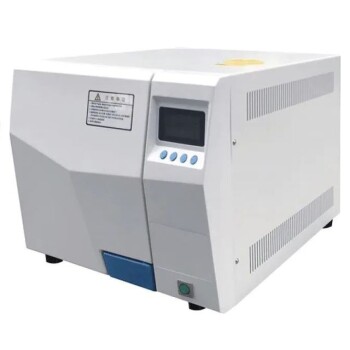
Desktop Fast Laboratory Autoclave Sterilizer 20L 24L for Lab Use
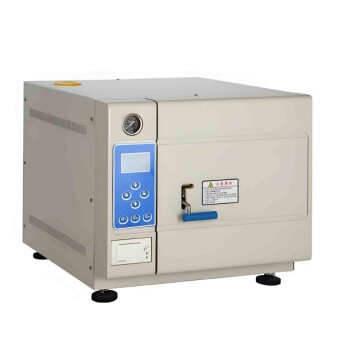
Desktop Fast Laboratory Autoclave Sterilizer 35L 50L 90L for Lab Use

Portable High Pressure Laboratory Autoclave Steam Sterilizer for Lab Use
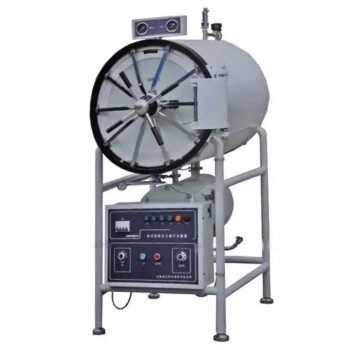
Laboratory High Pressure Horizontal Autoclave Steam Sterilizer for Lab Use