All Questions
What Is The Difference Between E-Beam And Thermal Evaporation? Choose The Right Pvd Method For Your Materials
Understand the key differences between e-beam and thermal evaporation, including heating mechanisms, material compatibility, film purity, and process efficiency.
What Are The Advantages Of Ion Beam Assisted Evaporation Over Thermal Evaporation Technique? Discover Superior Thin Film Deposition
Compare e-beam vs. thermal evaporation: higher purity, superior material compatibility, and denser coatings for advanced thin film applications.
What Is The Difference Between E-Beam Evaporation And Thermal Evaporation? A Guide To Choosing The Right Pvd Method
Compare e-beam vs. thermal evaporation: heating method, material compatibility, film purity, and cost. Choose the right PVD technique for your application.
What Are The Hazards Of Evaporation? Avoid Process Failures And Material Contamination
Learn the key risks of evaporation processes, including contamination, poor film uniformity, and material inefficiency, to protect your product quality.
What Is The Process Of Vacuum Deposition? Achieve Atomic-Level Precision Coatings
Explore the core principles of vacuum deposition, including PVD and CVD methods, essential for creating high-performance thin films in a controlled environment.
What Is The Process Of Vacuum Coating? Achieve Superior Surface Engineering For Your Products
Learn the 4 stages of vacuum coating (PVD) to apply ultra-hard, corrosion-resistant, or decorative finishes with atomic-level precision.
What Is The Thickness Of Thin Film Physical Vapor Deposition? From Nanometers To Micrometers
Learn how PVD thin film thickness, from nanometers to micrometers, is precisely controlled to achieve specific surface properties for various applications.
What Is The Impact Of Substrate Temperature On Film Properties? Optimize Density, Crystallinity & Stress
Learn how substrate temperature controls thin film density, defect density, crystallinity, and stress for superior material performance.
What Is The Effect Of Substrate Temperature On Sputtering? Master Film Density, Crystallinity, And Stress
Learn how substrate temperature controls thin film properties like density, crystal structure, and stress in sputtering processes for better material performance.
What Is The Difference Between Sputtering And E Beam Evaporation? Choose The Right Pvd Method For Your Thin Film
Compare sputtering vs. e-beam evaporation: understand mechanisms, film quality, and application suitability for your lab's thin film deposition needs.
What Is The Difference Between Thermal Evaporation And E Beam Evaporation? Choose The Right Method For Your Thin Film
Learn the key differences between thermal and e-beam evaporation, including heating methods, material compatibility, film purity, and application suitability.
What Are The Problems With Physical Vapour Deposition? High Cost, Slow Speed, And Line-Of-Sight Limitations
Explore the key challenges of PVD coating, including high vacuum costs, slow processing, and line-of-sight limitations for complex parts.
Where Is Physical Vapour Deposition Used? Enhancing Surfaces For Aerospace, Electronics & More
Discover key PVD coating applications in aerospace, electronics, medical devices & cutting tools. Learn how PVD enhances material performance.
What Is The Physical Method Of Deposition? A Guide To Pvd Thin-Film Coating
Learn how Physical Vapor Deposition (PVD) creates ultra-thin, pure solid films on substrates using vacuum-based physical transfer processes.
What Temperature Is Physical Vapor Deposition? A Guide To Pvd's Flexible Heat Range
PVD temperature is not fixed. It ranges from near room temperature to 500°C, offering versatility for coating heat-sensitive materials.
Is Deposition The Same As Evaporation? Unraveling The Hierarchy Of Thin-Film Technology
Deposition is the goal; evaporation is a method. Learn the difference, the process hierarchy, and how to choose the right thin-film technique.
What Are The Uses Of Evaporation In Industry? From Food Concentration To High-Tech Thin Films
Explore industrial evaporation uses: concentrating liquids and depositing thin films for electronics, optics, and coatings. Understand the trade-offs.
What Are The Applications Of Evaporation In Industries? From Wastewater To Electronics
Explore how evaporation is used for liquid concentration & thin-film deposition in food, pharma, electronics, and wastewater treatment.
What Is The Principle Of Physical Vapor Deposition? A Guide To The Pvd Process
Learn the three-step principle of PVD: vaporization, transport, and condensation. Compare PVD vs. CVD to choose the right thin-film coating method.
What Is The Mechanism Of Evaporation? Unlock High-Purity Thin Film Deposition
Explore the mechanism of electron beam evaporation for high-purity thin film deposition. Learn how it works, its advantages, and applications in material science.
How Is Film Thickness Controlled In Evaporation Systems? Master Deposition Rate, Time, And Geometry
Learn how to precisely control film thickness in evaporation systems by managing deposition rate, time, and system geometry for consistent results.
What Are The Disadvantages Of Thermal Vapour Deposition? Key Limitations For Uniform Coating
Learn the main drawbacks of thermal vapor deposition, including poor conformality on 3D surfaces and limited control over film purity and composition.
What Is The Purpose Of An Evaporator? The Key Component That Creates Cooling
Learn how an evaporator works as the 'heat sponge' in refrigeration systems by absorbing heat through refrigerant phase change for efficient cooling.
What Equipment Is Used For Evaporation? A Guide To Thermal Evaporation Systems For Thin-Film Coating
Learn about the core components of a thermal evaporation system: vacuum chamber, power supply, and heating source for precise thin-film deposition.
What Is An Evaporation Machine? Precision Thin Film Deposition For High-Tech Applications
Learn how an electron beam evaporation machine works, its key advantages like high purity and material versatility, and its applications in semiconductor and optical coating.
What Materials Are Used In Evaporation? Selecting The Right Metals & Compounds For Thin Films
Learn about materials for vacuum evaporation, from gold to tungsten, and how to choose the right method (thermal vs. e-beam) for your application.
What Are The Applications Of Electron Beam Evaporation? Precision Thin Films For High-Tech Industries
Explore the uses of electron beam evaporation for creating durable, high-purity coatings in optics, aerospace, electronics, and more.
What Are The Advantages Of Electron Beam Evaporation? Achieve High-Purity, High-Rate Thin Films
Discover the key benefits of electron beam evaporation: high deposition rates, superior purity for optical/electronic films, and the ability to process refractory materials.
How Does An Electron Beam Evaporator Work? Achieve High-Purity Thin Film Deposition
Learn how electron beam evaporation uses a focused electron beam in a vacuum to deposit ultra-pure, uniform thin films for demanding applications.
What Is The Difference Between Thermal And Electron Beam Evaporation? Unlock The Right Thin Film Deposition Method
Explore the key differences between thermal and e-beam evaporation: heating methods, material compatibility, film purity, and application suitability.
What Are The Disadvantages Of Electron Beam Evaporation? High Cost, Safety Risks & Film Quality Issues
Explore the key drawbacks of E-beam evaporation, including high equipment cost, operational complexity, safety hazards, and limitations in film density and uniformity.
How Does Electron Beam Evaporation Work? Achieve Ultra-Pure, High-Performance Thin Films
Learn how electron beam evaporation uses a focused electron beam in a vacuum to deposit high-purity, dense thin films for demanding applications.
What Are The Advantages Of E-Beam Deposition? Achieve High-Purity, High-Melting-Point Thin Films
Discover the key benefits of e-beam deposition: superior material versatility for refractory metals, high film purity, and fast deposition rates for advanced applications.
What Is The Electron Beam Induced Deposition Technique? A Guide To High-Precision 3D Nanofabrication
Learn how Electron Beam Induced Deposition (EBID) works as a direct-write method for creating complex 3D nanostructures with nanometer precision.
How Does Electron Beam Deposition Work? Achieve High-Performance Optical & Polymeric Coatings
Learn how electron beam deposition creates high-purity, uniform thin films for optical and commercial applications. Discover its speed, flexibility, and precision.
What Are The Advantages And Disadvantages Of E-Beam Evaporation? High Purity Films For Demanding Applications
Explore the pros and cons of e-beam evaporation for high-purity thin film deposition, including material versatility, cost, and uniformity challenges.
What Is The Use Of E-Beam Evaporation? Achieve High-Purity Thin Films For Demanding Applications
Learn how e-beam evaporation creates ultra-pure coatings for optics, aerospace, and electronics. Discover its benefits, limitations, and key applications.
What Is The Process Of E-Beam Evaporation? A Guide To High-Purity Thin Film Deposition
Learn how e-beam evaporation creates pure, high-performance thin films for sensitive electronics, optics, and aerospace applications.
What Is The Difference Between Thermal And E-Beam Evaporation? Choose The Right Pvd Method For Your Lab
Compare thermal vs. e-beam evaporation: heating method, material compatibility, film purity, and cost. Find the best PVD technique for your application.
What Is The Temperature Of E-Beam Evaporation? Mastering The Two-Zone Thermal Process For Precision Films
E-beam evaporation operates with two distinct temperature zones: a superheated source over 3000°C and a cool substrate near room temperature, enabling high-purity coatings on sensitive materials.
What Are The Disadvantages Of E-Beam Evaporation? High Costs And Geometric Limitations Explained
Explore the key drawbacks of e-beam evaporation, including high costs, line-of-sight coating limitations, and operational challenges like filament degradation.
What Is The Use Of Electron Beam Evaporation? Achieve High-Purity Thin Films For Demanding Applications
Discover how electron beam evaporation deposits high-melting-point materials like metals and ceramics for superior thin films in optics and semiconductors.
What Is The Current Of E-Beam Evaporation? A Guide To High-Purity Thin Film Deposition
E-beam evaporation uses a high-energy electron beam to vaporize materials for high-purity thin films. Learn how it works and its applications in optics and electronics.
What Is The Electron Deposition Method? Achieve High-Purity Thin Films For Advanced Applications
Explore electron beam deposition: a high-vacuum PVD technique for creating pure, precise thin films essential for optics and electronics.
How Does E-Beam Evaporation Work? A Guide To High-Purity Thin Film Deposition
Learn how electron-beam evaporation uses focused electron beams to create ultra-pure, uniform thin films for high-performance optical and electronic applications.
What Is Thermal Deposition In A Vacuum? A Guide To Creating Ultra-Thin Films
Learn how thermal deposition in a vacuum creates pure, uniform thin films for electronics, optics, and packaging. Essential for material science.
What Is The Vacuum Evaporation Technique? A Guide To Thin Film Deposition & Pvd
Learn how vacuum evaporation works, its key applications in optics and electronics, and its advantages for high-purity, cost-effective thin film deposition.
What Is Vacuum Deposition Or Vacuum Thermal Evaporation Vte? A Guide To High-Purity Thin Film Coating
Learn how Vacuum Thermal Evaporation (VTE) works to deposit pure, uniform thin films for applications like optics and electronics in a high-vacuum environment.
What Is Vacuum Thermal Evaporation? A Guide To High-Purity Thin Film Deposition
Learn how vacuum thermal evaporation works to create pure metal films for electronics, optics, and coatings. Understand its process, uses, and limitations.
What Are The Advantages Of Thermal Evaporation? Fast, Low-Cost Thin Film Deposition
Discover the key benefits of thermal evaporation: simplicity, high speed, and cost-effectiveness for depositing metals like gold and aluminum in a vacuum.
What Does A Thermal Evaporator Do? Achieve High-Purity Thin Film Deposition
Learn how thermal evaporators create thin films in a vacuum, their key components, and ideal applications for metals like gold and aluminum.
What Is Thermal Evaporation Process? A Guide To Simple, High-Purity Thin Film Deposition
Learn how thermal evaporation works in a vacuum chamber to deposit ultra-thin metal films for OLEDs, solar cells, and electronics. Understand its pros and cons.
What Materials Can Evaporate? Master Thin-Film Deposition With The Right Materials
Discover which metals, ceramics, and dielectrics can be evaporated for thin-film coatings. Learn the role of vapor pressure and vacuum technology.
What Metal Can Evaporate? A Guide To Vapor Pressure And Thin Film Deposition
Learn how a metal's vapor pressure determines its evaporation suitability for thin film applications like electronics and optics.
What Is The Temperature Of Thermal Evaporation? It Depends On Your Material And Goals
Thermal evaporation temperature isn't fixed. It varies by material & process goals. Learn how vapor pressure & vacuum determine the right heat for your deposition.
What Is The Major Disadvantage Of Thermal Evaporation System? High Contamination Risk Explained
Discover the primary drawback of thermal evaporation: high film contamination and impurity levels, which compromise coating quality and limit material compatibility.
What Is A Thermal Evaporation System? A Guide To Simple, Effective Thin-Film Deposition
Learn how thermal evaporation systems work to deposit thin metal films for electronics, optics, and coatings. Understand the process, applications, and limitations.
What Is An Example Of A Physical Vapor Deposition? Discover Sputtering And Thermal Evaporation
Learn about PVD examples like sputtering and thermal evaporation, used for durable, high-performance coatings in aerospace, tools, and electronics.
What Is Thermal Evaporation Deposition Pressure? Master The Key To High-Quality Thin Films
Learn how vacuum pressure (10⁻⁵ to 10⁻⁷ mbar) in thermal evaporation ensures film purity, density, and performance for applications like OLEDs.
What Is Thermal Vapour Deposition? A Simple Guide To Pvd Coating Technology
Learn how thermal vapour deposition works through evaporation and condensation in vacuum chambers to create pure, uniform thin films for various applications.
What Is The Vacuum Evaporation Technique For Thin Films? A Guide To High-Purity Thin Film Deposition
Learn how vacuum evaporation, a key PVD method, creates high-purity thin films for optics and electronics. Understand the process, advantages, and limitations.
Why Thin Film Deposition Needs A Vacuum System? Essential For Purity, Precision, And Performance
Discover why a vacuum is critical for thin film deposition: it prevents contamination and enables uniform film growth by eliminating atmospheric obstacles.
What Is Vacuum Deposition Process? Achieve High-Performance Coatings With Precision
Learn how vacuum deposition creates ultra-pure, thin films for optics, electronics, and protective coatings in a controlled vacuum environment.
What Is The Advantage Of Thermal Evaporation Over Sputtering? Faster, Cost-Effective Thin Film Deposition
Discover the key benefits of thermal evaporation vs. sputtering: higher deposition rates, lower equipment cost, and ideal use cases for efficient thin film production.
What Are The Disadvantages Of Thermal Evaporation Method? Key Limitations In Purity And Performance
Explore the main drawbacks of thermal evaporation, including high contamination, low-density films, and material limitations, to choose the right PVD method.
What Are The Advantages Of Thermal Evaporation Technique? A Guide To Fast, Cost-Effective Thin Films
Explore the key benefits of thermal evaporation, including high deposition rates, material versatility, and cost-effectiveness for various thin-film applications.
What Are The Steps Of Physical Vapour Deposition? A Guide To The 3-Step Pvd Process
Learn the 3 universal steps of PVD coating: vaporization, transport, and condensation. Discover how thermal evaporation and sputtering create thin films.
How Does Evaporation Deposition Work? A Guide To High-Purity Thin Film Coating
Learn how evaporation deposition creates ultra-thin films in a vacuum. Understand the process, benefits, and applications for precise material coating.
What Is The Difference Between Evaporation And Deposition? A Guide To Thin-Film Manufacturing
Learn the key difference: deposition is the process of adding a thin film, while evaporation is a specific method to achieve it. Essential for material science.
What Is The Vacuum Evaporation Method? A Guide To Thin Film Deposition & Purification
Learn how vacuum evaporation works for high-purity thin film coatings and liquid purification. Discover its applications, advantages, and limitations.
Which Parameter Effect On Thin Film Formation In Thermal Evaporation? Master The Key Variables For Superior Films
Learn how source temperature, deposition rate, and chamber pressure control thin film properties like uniformity, purity, and microstructure in thermal evaporation.
What Is The Difference Between Sputtering And Thermal Evaporation? Choose The Right Pvd Method For Your Thin Film
Sputtering vs. thermal evaporation: compare film density, uniformity, and material compatibility to select the best PVD method for your lab's needs.
What Are The Advantages Of Thermal Evaporation Method? Achieve Simple, Fast, And Cost-Effective Thin Films
Discover the key benefits of thermal evaporation: operational simplicity, high deposition rates, and low cost for metal and non-metal thin films.
What Are The Disadvantages Of Thermal Evaporation? Key Limitations In Purity, Density & Materials
Explore the main drawbacks of thermal evaporation, including film contamination, low-density coatings, and material limitations for thin-film deposition.
What Are Thermal Evaporation Sources? Key Types And How To Choose The Right One
Learn about thermal evaporation sources like resistive and e-beam types, their functions, and how to select the best one for your thin-film deposition needs.
What Is Thermal Evaporation Deposition Techniques? A Simple Guide To Thin Film Coating
Learn how thermal evaporation deposition works: vaporizing materials in a vacuum to create thin films for electronics, optics, and packaging.
What Is The Evaporation Technique For Thin Films? A Guide To High-Purity Coating
Learn how thermal evaporation works in a vacuum to create ultra-thin, high-purity films for electronics, optics, and coatings.
How Thin Film Is Prepared Using Thermal Evaporation Technique? A Guide To High-Purity Deposition
Learn the step-by-step process of thermal evaporation for thin film deposition, including key components, advantages, and limitations for lab applications.
What Is Thermal Evaporation Deposition For Thin Films? A Guide To Simple, Cost-Effective Coating
Learn how thermal evaporation deposition creates thin films for electronics, optics, and packaging. Understand its process, advantages, and limitations.
What Metals Can Be Deposited By Vacuum Deposition? Achieve Precise Surface Properties For Your Application
Discover the wide range of metals, alloys, and compounds deposited by vacuum deposition, from aluminum to titanium nitride, for tailored surface properties.
How Thermal Evaporation Is Used To Deposit A Thin Metal Film? A Simple Guide To High-Purity Coating
Learn how thermal evaporation deposits thin metal films in a vacuum. Discover the process steps, key components, and ideal applications for electronics manufacturing.
What Is Metal Evaporation? A Guide To Thin Film Deposition For Advanced Manufacturing
Learn how metal evaporation works in PVD processes, its methods (thermal vs. e-beam), applications, and limitations for thin film coating.
Can Metals Be Deposited By Evaporation? A Guide To High-Purity Thin Film Deposition
Learn how metal evaporation, a key PVD technique, creates high-purity thin films of aluminum, gold, and more in a vacuum environment.
Can Gold Be Evaporated? Unlocking High-Purity Thin Film Deposition
Learn how gold is evaporated in a high-vacuum for thin film coatings in electronics and optics. Understand the process, applications, and challenges.
At What Point Does Gold Evaporate? The Science Behind Gold's Extreme Heat Resistance
Gold evaporates at 2,856°C. Learn why this extreme boiling point makes it vital for aerospace, electronics, and high-purity refining.
What Happens To Gold When It Evaporates? It Becomes A Monatomic Gas For Advanced Tech
Gold evaporates into individual atoms (a monatomic gas) under extreme heat or vacuum, a key process for creating thin films in electronics and optics.
What Is The Process Of Thermal Evaporation Thin Film Deposition? A Guide To Simple, Cost-Effective Pvd
Learn how thermal evaporation works: a key PVD method for depositing pure metal films in a vacuum. Ideal for OLEDs, solar cells, and electronics.
What Is The Deposition Of Thin Films? A Guide To Coating Technology For Modern Devices
Learn about thin film deposition, a process for applying microscopic layers to surfaces, enabling advanced electronics, solar cells, and more.
What Are Thin Films Deposited By Evaporation? A Guide To High-Purity Coating
Learn how thermal evaporation creates ultra-thin, high-purity films in a vacuum for microelectronics, optics, and packaging applications.
What Is E-Beam Evaporation? Achieve High-Purity Thin Film Deposition For Your Lab
Learn how e-beam evaporation uses an electron beam in a vacuum to deposit pure, high-melting-point thin films for electronics and optics.
Why E-Beam Evaporation Is Developed For Thin Film Processing? Unlock High-Purity Films For Advanced Applications
Discover how e-beam evaporation overcomes contamination and temperature limits of thermal methods, enabling high-purity, dense thin films from refractory materials.
What Thin Films Are Deposited By Electron Beam Evaporation? Unlock High-Performance Coatings
E-beam evaporation deposits high-melting-point metals, dielectrics & ceramics. Ideal for semiconductors, optics, and wear-resistant coatings.
What Is The Deposition Rate Of E-Beam Evaporation? Control Thin Film Quality And Speed
E-beam evaporation deposition rates range from 0.1 to 100 nm/min. Learn how to balance speed and film quality for your application.
What Is Thermal Evaporation Used To Deposit? A Guide To Metals, Compounds, And Key Applications
Thermal evaporation deposits metals like aluminum, gold, and silver, plus some compounds. Learn which materials are ideal and when to choose an alternative method.
What Is An Example Of Thermal Evaporation? Creating Reflective Headlight Coatings And More
Discover thermal evaporation examples like headlight mirror coatings and its use in electronics, optics, and decorative finishes for thin film deposition.
What Are The Advantages Of Evaporation Deposition? Achieve High-Purity Thin Films For Your Lab
Discover the key benefits of evaporation deposition, including high material purity, gentle processing for heat-sensitive substrates, and operational simplicity for various applications.
What Is The Process Of Evaporation Deposition? A Guide To High-Vacuum Thin Film Coating
Learn the steps of evaporation deposition, a PVD method for creating pure, uniform thin films in a high-vacuum environment for lab applications.
What Is E-Beam Evaporation Used For? Precision Coating For Optics, Aerospace & Electronics
Discover how e-beam evaporation deposits high-purity thin films for advanced optical coatings, protective layers, and semiconductor manufacturing.
What Is The Electron Beam Physical Vapor Deposition Process? A Guide To High-Purity Thin Films
Learn how Electron Beam PVD creates pure, precise thin films for high-melting-point materials in a high-vacuum environment.
What Is The Advantage Of E-Beam? Rapid, Material-Friendly Sterilization For Modern Labs
Discover the key benefits of e-beam sterilization: FDA-approved, fast processing, minimal material degradation, and no radioactive sources.
Related Products
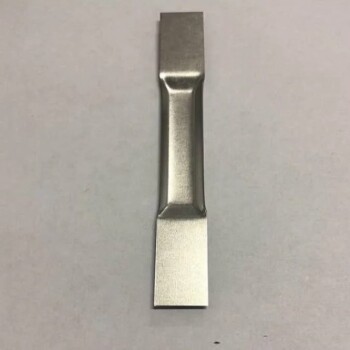
Molybdenum Tungsten Tantalum Evaporation Boat for High Temperature Applications

Evaporation Boat for Organic Matter

Electron Beam Evaporation Coating Oxygen-Free Copper Crucible and Evaporation Boat
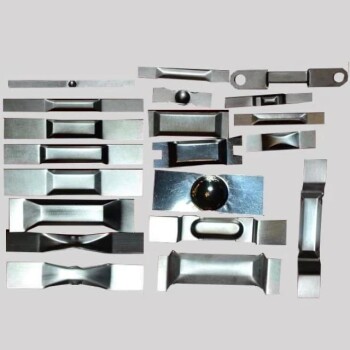
Molybdenum Tungsten Tantalum Special Shape Evaporation Boat
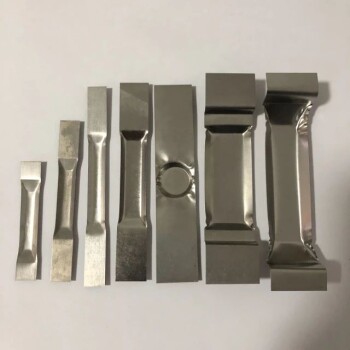
Tungsten Evaporation Boat for Thin Film Deposition
