All Questions
What Is The Flash Evaporation Method For Thin Film Deposition? Achieve Precise Stoichiometry In Your Films
Learn how flash evaporation preserves material composition during thin film deposition, ideal for alloys and compounds. Overcome standard evaporation limitations.
What Is Step Coverage In Thermal Evaporation? Avoid Device Failure With The Right Deposition Method
Learn why thermal evaporation has poor step coverage, how it causes device failure, and which deposition methods provide superior conformal films.
What Is The Thermal Evaporation Method For Thin Films? A Guide To High-Purity Pvd Coating
Learn how thermal evaporation, a key PVD method, creates high-purity thin films for OLEDs, optics, and electronics in a high-vacuum environment.
What Is The Thermal Evaporation Method Of Thin Film? A Guide To Pvd Coating
Learn how thermal evaporation works, its key applications in creating thin films for electronics, and how to choose the right method for your lab.
How Is A Thin Film Prepared By Thermal Evaporation? Master The Vacuum Deposition Process
Learn the 3-step thermal evaporation process for creating pure, uniform thin films in a high-vacuum environment for advanced applications.
What Are The Major Differences Between Thermal Evaporation And Electron Beam Evaporation? Choose The Right Pvd Method
Learn the key differences between thermal and e-beam evaporation: heating methods, material compatibility, film purity, and deposition rates.
What Is The Thermal Evaporation Method In Thin Film? A Guide To Simple, Cost-Effective Pvd
Learn how thermal evaporation works in thin film deposition, its process steps, key advantages, limitations, and how it compares to other PVD methods.
What Are The Materials Used In Thermal Evaporation Source? A Guide To Evaporants & Boats
Learn about thermal evaporation materials: the metals, alloys, ceramics used as evaporants and the specialized ceramic boats that heat them.
What Is The Widely Used Boat Made Of In Thermal Evaporation? Choosing The Right Material For High-Purity Deposition
Learn why tungsten, molybdenum, and tantalum boats are standard in thermal evaporation for their high melting points and low vapor pressure.
What Is Thermal Evaporation Under A Vacuum? A Guide To High-Purity Thin Film Deposition
Learn how thermal evaporation in a vacuum creates uniform thin films for applications in electronics, optics, and research. Discover the process and its benefits.
What Is The Meaning Of Thermal Evaporation? A Guide To Simple, Cost-Effective Thin Film Coating
Learn about thermal evaporation, a PVD coating technique that uses heat in a vacuum to deposit thin, uniform metal films like gold and aluminum.
What Is The Evaporation Technique For Nanoparticles? A Guide To High-Purity Synthesis
Learn how the evaporation technique creates high-purity, crystalline nanoparticles via physical vapor deposition in a vacuum. Compare methods like thermal and e-beam.
How Do You Evaporate Metal? Mastering Thermal Vs. E-Beam Evaporation For Thin Films
Learn the principles of metal evaporation (PVD) for thin-film deposition. Compare thermal and e-beam methods to choose the right technique for your project.
What Is The Process Of Thermal Evaporation Deposition? A Simple Guide To Thin Film Coating
Learn how thermal evaporation deposition works: heating materials in a vacuum to create thin films for electronics, packaging, and solar cells.
What Are Two Advantages Of Using Sputtering As Opposed To Evaporation To Create A Metal Interconnect System? Superior Film Quality & Control
Discover why sputtering creates denser, more reliable metal interconnects with better adhesion and step coverage than evaporation.
What Is The Process Of Thermal Evaporation? A Guide To Simple, Cost-Effective Thin-Film Deposition
Learn the step-by-step thermal evaporation process for thin-film deposition, its key advantages, limitations, and ideal applications in electronics and optics.
What Are The Disadvantages Of Thermal Evaporation Technique? High Impurity, Limited Materials & Poor Film Quality
Learn the key drawbacks of thermal evaporation, including high contamination, material limitations, and poor film density, to choose the right PVD method.
What Are The Safety Precautions For Evaporation? Essential Steps For Managing Flammability, Bumping, And Implosion Risks
Learn critical safety precautions for evaporation, including using a fume hood, preventing bumping, and avoiding glassware implosion.
What Are The Applications Of Thin Film In Electronics? Building The Foundation Of Modern Devices
Explore how thin film technology enables semiconductors, displays, solar cells, and sensors. Learn the applications and challenges of this critical process.
What Is The Thickness Of Film Deposition? A Guide From Nanometers To Micrometers
Learn how film thickness from nanometers to micrometers is tailored for specific applications in optics, electronics, and wear resistance.
What Is Thermal Evaporation Used For In Fabrication Of? Creating Thin Films For Electronics, Optics & More
Thermal evaporation deposits ultra-thin films for OLED displays, solar cells, MEMS, optical coatings, EMI shielding, and decorative finishes.
What Is Vacuum Deposition Of Metals? A Guide To High-Purity, Durable Metal Coatings
Learn how vacuum deposition creates pure, uniform metal films for electronics, optics, and industrial applications. Compare PVD vs. CVD methods.
What Is The Vacuum Thermal Evaporation Deposition Technique? A Simple Guide To Thin-Film Coating
Learn how vacuum thermal evaporation works, its key steps, advantages, and limitations for depositing thin films in a high-vacuum environment.
What Is The Thermal Evaporation Method? A Guide To Simple, Cost-Effective Thin-Film Deposition
Learn how thermal evaporation works to deposit thin films of metals like gold and aluminum in a high-vacuum environment. Understand its advantages and limitations.
How Do You Thin Film Deposition? Choosing The Right Method For Your Material's Performance
Learn the key differences between PVD, CVD, and chemical deposition methods to select the best thin film process for your application.
How Is The Thickness Of A Deposited Film Measured? Master Optical Interference Techniques
Learn how optical interference is used to measure thin film thickness with nanometer precision, a key method in semiconductor and coating industries.
What Substrates Are Used For Thin Film Deposition? Choosing The Right Foundation For Your Application
Learn how to select the right substrate for thin film deposition, from silicon wafers to plastics, based on thermal stability, CTE, and application needs.
What Are The Applications Of Optical Thin Films? Harnessing Light For Modern Technology
Explore how optical thin films enable anti-glare coatings, energy-efficient glass, precision mirrors, and more by controlling light reflection and transmission.
What Materials Are Used In Thermal Evaporation? From Metals To Dielectrics For Thin-Film Coating
Explore the wide range of thermal evaporation materials, including pure metals, alloys, and inorganic compounds for electronics and optics.
What Is The Source Of Evaporation For Thin Film? Choosing Between Thermal And E-Beam Methods
Learn the two primary sources of evaporation for thin film deposition: thermal and electron beam methods, their applications, and how to choose the right one.
What Is The Process Of Thin Film Evaporation? A Guide To High-Purity Pvd Coating
Learn how thin film evaporation works in a vacuum chamber to deposit ultra-thin, high-purity films for electronics, optics, and more.
What Is The Vacuum Evaporation Plating Method? A Guide To Simple, Cost-Effective Thin Film Coating
Learn how vacuum evaporation plating works, its key advantages for simple geometries, and when to choose it over other PVD methods for your project.
Why Is Vacuum Needed In Thermal Evaporation? For Pure, Uniform Thin Films
Discover why a vacuum is essential in thermal evaporation to ensure collision-free atom travel and prevent contamination for high-quality thin films.
Why Does The Physical Vapor Deposition Process Need To Be Conducted In A Vacuum Environment? Ensure Purity And Performance
Discover why a vacuum is essential for PVD coatings, enabling direct particle travel, preventing contamination, and ensuring high-performance thin films.
What Material Is Evaporation By Resistive Heating Used For? Ideal For Metals Like Gold & Aluminum
Discover which materials are best for resistive thermal evaporation, including common metals like gold and aluminum, and their key applications.
What Is The Evaporation Method Of Physical Vapour Deposition? A Guide To High-Purity Thin Film Coating
Learn how PVD evaporation uses thermal energy in a vacuum to create high-purity thin films for various industrial and research applications.
What Is The Container That Holds The Metal Source Material Called In E-Beam Evaporation? Ensure Purity And Quality In Your Thin-Film Deposition
Learn about the crucible's role in e-beam evaporation: a critical component for containing source materials and preventing contamination to ensure high-quality thin films.
What Is The Difference Between Sputtering And Thermal Deposition? A Guide To Choosing The Right Pvd Method
Learn the key differences between sputtering and thermal evaporation PVD methods: kinetic energy vs. heat, film quality, material use, and substrate impact.
What Is The Basic Working Principle Of E-Beam Evaporation Process? Achieve High-Purity Thin Film Deposition
Discover how e-beam evaporation uses a focused electron beam to vaporize materials in a vacuum, creating pure, uniform coatings for advanced applications.
What Is The Range Of Thin Film? From Nanoscale Thickness To Advanced Applications
Explore the range of thin films: thickness from nanometers to micrometers, diverse materials, unique properties, and applications in electronics and more.
What Is The Physics Of E-Beam Evaporation? Harnessing Precision Energy For Superior Thin Films
Explore the core physics of e-beam evaporation: from thermionic emission to ballistic transport, enabling high-purity, high-melting-point thin film deposition.
What Is The Tooling Factor Of E-Beam Evaporation? Master Precise Thin-Film Control
Learn how the e-beam evaporation tooling factor corrects QCM sensor data for accurate film thickness on your substrate.
What Is The Deposition Rate Of Electron Beam Evaporation? Unlock Precision Control From 0.1 To 100 Nm/Min
Discover the controllable deposition rate of e-beam evaporation (0.1-100 nm/min) for high-purity films on flat substrates with refractory materials.
What Is The Voltage Of E-Beam Evaporation? Achieve Precise Thin-Film Deposition
E-beam evaporation uses 4-10 kV accelerating voltage to vaporize materials. Learn how this key parameter affects film purity and deposition rates.
What Is The Method Of Evaporation Deposition? A Guide To Creating Ultra-Thin Films
Learn how evaporation deposition works in a vacuum to create pure, uniform thin films for advanced materials and electronics.
What Is Thermal Evaporation Technique? A Guide To Simple, Cost-Effective Thin-Film Deposition
Learn how thermal evaporation works, its key applications in electronics and coatings, and when to choose this vacuum deposition method for your project.
What Is The Thermal Evaporation Method Of Deposition? A Simple Guide To Thin Film Coating
Learn how thermal evaporation works for thin film deposition. Discover its process, advantages, limitations, and key applications in materials science.
What Is The Evaporation Process Of Semiconductors? A Guide To High-Purity Thin Film Deposition
Learn how semiconductor evaporation works, a key PVD method for creating ultra-pure, nanoscale thin films on silicon wafers in a vacuum.
What Is The Thermal Evaporation Technique For Thin Film Deposition? A Guide To Simple, High-Purity Coating
Learn how thermal evaporation deposits ultra-thin films in a vacuum. Discover its applications in OLEDs, solar cells, and its advantages for high-purity layers.
What Is Thermal Effect Via Evaporation? A Simple Guide To Thin-Film Deposition
Learn how thermal evaporation works, its key applications in OLEDs and solar cells, and when to choose this simple, cost-effective coating method.
What Is Thermal Evaporation Of Thin Film? A Guide To High-Purity Pvd Coating
Learn how thermal evaporation works in PVD to deposit ultra-thin films for electronics, solar cells, and more. Understand the process, types, and applications.
What Are The Advantages Of Sputtering Over Thermal Evaporation? Achieve Superior Thin-Film Quality
Discover why sputtering offers better film adhesion, density, and conformity for high-performance coatings compared to thermal evaporation.
What Are The Uses Of Thermal Evaporation? Essential For Electronics, Optics & Decorative Finishes
Explore thermal evaporation applications: from OLED displays and solar cells to reflective coatings and decorative finishes. Learn its key uses and benefits.
What Is The Thermal Evaporation Technique? A Guide To Thin-Film Deposition For Your Lab
Learn how thermal evaporation works, its key applications in electronics and optics, and its trade-offs for coating complex shapes and alloys.
What Is Evaporation Material? The Key To Precision Thin-Film Deposition
Learn about evaporation materials, the substances used in vacuum deposition to create thin films for electronics, optics, and more.
What Is Thermal Evaporation Of Organic Materials? The Gentle Method For Oled & Electronics
Learn how organic thermal evaporation works under high vacuum to deposit ultra-thin, pure films for OLED displays and electronics without damaging fragile molecules.
What Are The Sources Of Thermal Evaporation? A Guide To Resistive Vs. E-Beam Heating
Compare thermal evaporation sources: resistive heating for cost-effective metal deposition and e-beam for high-purity, high-temperature materials.
What Is The Process Of Evaporation Heating? Master The Balance Of Heat, Vacuum, And Surface Area
Learn how controlled heating, vacuum, and rotation work together to accelerate evaporation safely and efficiently in lab processes like rotary evaporation.
How Is The Thickness Of A Deposited Thin Film Measured During Evaporation? Master Deposition Rate Control
Learn how Quartz Crystal Microbalance (QCM) measures thin film thickness during evaporation by monitoring deposition rate in real-time.
What Is The Thickness Of Physical Vapor Deposition? Tailoring Pvd Coating For Your Application
PVD coating thickness ranges from nanometers to over 10 micrometers. Learn how to select the right thickness for optical, decorative, or wear-resistant applications.
What Is Evaporation Coating? A Guide To High-Purity Thin Film Deposition
Learn how evaporation coating works in a vacuum chamber to deposit ultra-thin, high-purity films for optical and electronic applications.
What Is The Difference Between Sputtering And Evaporation Techniques? A Guide To Choosing The Right Pvd Method
Learn the key differences between sputtering (kinetic) and evaporation (thermal) PVD techniques for thin film deposition, adhesion, speed, and material compatibility.
What Is The Evaporation Technique For Deposition? A Guide To High-Purity Thin Film Coating
Learn how evaporation deposition uses heat and vacuum to create high-purity thin films for applications from electronics to packaging.
How Source Material Is Evaporated During Deposition? A Guide To Resistive Vs. E-Beam Methods
Learn how resistive and electron-beam evaporation work in a vacuum to deposit pure, thin films for applications requiring precise material control.
What Are Two Common Ways To Heat The Source Material In Evaporation? Resistive Vs. E-Beam Methods
Compare Resistive Heating and Electron Beam (E-Beam) Evaporation methods for thin-film deposition, including their principles, advantages, and ideal applications.
What Are The Alternatives To Sputtering? Choose The Right Thin Film Deposition Method
Explore alternatives to sputtering for thin film deposition, including PVD methods like thermal evaporation and chemical methods like sol-gel for your lab needs.
What Are The Advantages And Disadvantages Of Evaporative Deposition? Achieve High-Purity Thin Films
Explore the pros and cons of evaporative deposition, including precise thickness control, material versatility, and its line-of-sight limitations.
What Is The Evaporation Method Of Deposition? A Guide To High-Speed Thin Film Coating
Learn how thermal evaporation & e-beam evaporation work in a vacuum to deposit thin films. Compare to sputtering for speed, adhesion, and material control.
What Are The Applications Of Thermal Evaporation? A Guide To Thin-Film Deposition For Electronics & Coatings
Explore thermal evaporation applications in OLED displays, solar cells, MEMS, and optical coatings. Understand its benefits and limitations for your project.
What Factors Affect Evaporation And Condensation? Master The Science Of Water's Phase Changes
Learn how temperature, humidity, surface area, and wind speed control evaporation and condensation for better weather prediction and process efficiency.
What Are The Factors Affecting Evaporation? Control The Rate Of Any Liquid's Vaporization
Learn how temperature, surface area, airflow, and humidity directly control evaporation rates for applications from lab work to industrial processes.
What Is The Evaporation Theory Of Thin Films? A Guide To High-Purity Thin Film Deposition
Learn how thermal evaporation deposits pure, thin films in a vacuum. Understand the process, from vaporization to condensation, and its applications.
What Is The Rate Of Electron Beam Evaporation? Unlock High-Speed, High-Temperature Deposition
E-beam evaporation rate is a controllable variable for high-speed PVD. Ideal for industrial throughput & refractory materials like metals and ceramics.
What Is The Process Of E-Beam Coating? Achieve High-Purity, Precise Thin Films For Your Lab
Discover the electron beam evaporation process for creating ultra-pure, dense thin films. Ideal for optical coatings, electronics, and heat-sensitive substrates.
How Does E-Beam Evaporation Work? Achieve High-Purity Thin Films For Demanding Applications
Learn how e-beam evaporation uses a focused electron beam to vaporize high-melting-point materials, creating ultra-pure, dense thin films for optics and electronics.
What Is The Difference Between Evaporation And Electron Beam Lithography? Understanding Patterning Vs. Deposition
Learn the key differences between electron beam lithography (patterning) and evaporation (deposition), and how they work together in nanofabrication.
What Is The Electron Beam Evaporation Technique? Achieve High-Purity Thin Film Deposition
Learn how electron beam evaporation works, its advantages for high-purity coatings, and its applications in optics, semiconductors, and industry.
What Is Electron Beam Physical Vapor Deposition Method? A High-Purity Coating Technique For Demanding Applications
Learn how E-beam PVD uses high-energy electrons to deposit pure, durable thin films on substrates for aerospace, optics, and manufacturing.
How Is Physical Vapor Deposition Performed Using An Electron Beam Evaporator? A Guide To High-Purity Thin Films
Learn how electron beam PVD works in a high-vacuum environment to deposit high-purity, precisely controlled thin films for advanced applications.
How Does Electron Beam Evaporation Work? A Guide To High-Purity Thin-Film Deposition
Learn how electron beam evaporation uses focused electron beams to create ultra-pure coatings for high-performance applications in a vacuum environment.
What Is The Difference Between Thermal Evaporator And E-Beam Evaporator? Choose The Right Pvd Method For Your Thin Films
Thermal vs. E-Beam Evaporators: Learn the key differences in heating, material capability, purity, and cost for your PVD applications.
What Are The Advantages Of E-Beam Evaporation Over Thermal Evaporation? Achieve Higher Purity And Versatility
Discover why e-beam evaporation offers superior film purity, material versatility, and process control compared to thermal evaporation for advanced thin-film applications.
What Are The Advantages Of E-Beam Evaporation? Achieve High-Purity, High-Rate Thin Film Deposition
Discover the key advantages of e-beam evaporation: high-purity films, high deposition rates, and unmatched material versatility for demanding applications.
What Are The Advantages Of Electron Beam Physical Vapor Deposition? Achieve High-Purity, High-Speed Thin Films
Discover the key advantages of E-beam PVD: superior deposition speed, high material purity, and versatility for optics, semiconductors, and coatings.
What Is The Process Of Evaporation Coating? A Guide To Thin Film Deposition
Learn how evaporation coating works: vaporizing materials in a vacuum to deposit high-purity, uniform thin films on substrates for enhanced surface properties.
What Is The Beam Deposition Process? Achieve Ultra-Pure, High-Precision Thin Films
Learn how beam deposition uses high-energy beams in a vacuum to create pure, precisely controlled thin films for optics, electronics, and advanced materials.
What Is The Principle Of Electron Beam Deposition? A Guide To High-Speed, Versatile Thin Films
Learn how electron beam deposition works, its advantages in speed and material use, and how it creates uniform thin films for optics and semiconductors.
What Is Electron Beam Assisted Evaporation Used For? Achieve Superior Thin Film Coatings
Discover how e-beam evaporation deposits high-purity, high-performance coatings for aerospace, optics, and semiconductors. Ideal for high-melting-point materials.
What Is The Use Of Electron Beam? Harnessing Precision Energy For Industry & Science
Explore electron beam uses: high-precision welding, microchip lithography, advanced microscopy, and sterilization. Ideal for aerospace, medical, and electronics.
What Is The Vacuum Level Of The E-Beam Evaporator? Achieve Pure, High-Quality Thin Films
Learn why e-beam evaporation requires specific vacuum levels (10⁻⁷ to 10⁻⁹ Torr) for high-purity, contamination-free thin film deposition.
What Type Of Deposition Is Resulted At High Vacuum? Achieve Pure, High-Performance Thin Films With Pvd
Learn how high-vacuum Physical Vapor Deposition (PVD) creates pure, dense coatings for optics, semiconductors, and medical devices.
What Are The Applications Of Electron Beams? From Nanoscale Imaging To Industrial Manufacturing
Explore electron beam uses in welding, microscopy, sterilization & more. Learn how this precise energy source powers innovation across industries.
What Are The Advantages Of Electron Beam Deposition? Achieve High-Speed, Cost-Effective Thin-Film Coatings
Discover the key benefits of electron beam deposition, including rapid processing, material versatility, and cost-effectiveness for high-volume thin-film coating applications.
How Thick Is Thermal Evaporation Coating? Achieve Precision Thin Films For Your Lab
Learn about thermal evaporation coating thickness, typically 10nm to 2µm, for precise, high-purity applications in optics and electronics.
How Thick Is The Film In E-Beam Evaporation? Achieve Precise Control From Nanometers To Micrometers
Learn how e-beam evaporation achieves precise film thickness control, from nanometers to over 100 micrometers, using real-time quartz crystal monitoring.
Is Electron Beam Assisted Evaporation Used For Metals? The Key To High-Purity, High-Melting-Point Metal Films
Discover how electron beam evaporation enables precise deposition of high-melting-point metals like platinum and tungsten for advanced electronics and optics.
What Are The Applications Of E-Beam Evaporation? Achieve High-Purity Coatings For Optics & Electronics
Discover how e-beam evaporation is used for high-purity optical coatings, electronics, and aerospace components. Ideal for high-melting-point materials.
What Is The Evaporation Technique Of E-Beam? Achieve High-Purity Thin Film Deposition
Learn how electron beam evaporation works to deposit ultra-pure, high-performance thin films for semiconductors, optics, and advanced materials.
What Is The Source Of Electron Beam Evaporation? The Electron Gun Explained For High-Purity Thin Films
Discover how an electron gun generates a high-energy beam to vaporize materials for high-purity thin film deposition in e-beam evaporation systems.
What Materials Are Used In Evaporation Techniques? A Guide To Thin-Film Deposition Materials
Discover the key materials for thermal evaporation, including evaporants like aluminum and silver, and refractory apparatus components like tungsten.
Related Products

Molybdenum Tungsten Tantalum Evaporation Boat for High Temperature Applications

Evaporation Boat for Organic Matter

Electron Beam Evaporation Coating Oxygen-Free Copper Crucible and Evaporation Boat
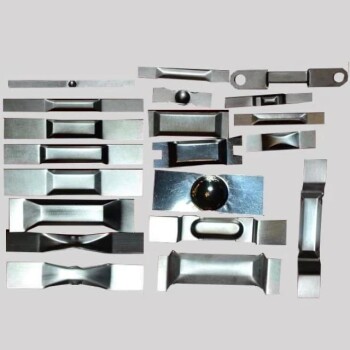
Molybdenum Tungsten Tantalum Special Shape Evaporation Boat
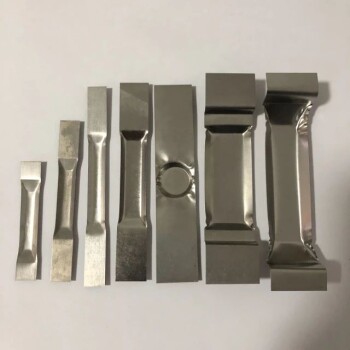
Tungsten Evaporation Boat for Thin Film Deposition
