All Questions
What Is Dental Ceramic Used For? Restore Teeth With Aesthetic, Durable Crowns & Fillings
Dental ceramics are used for crowns, bridges, and composite fillings. They offer superior aesthetics, strength, and biocompatibility for natural-looking, long-lasting dental restorations.
What Can All-Ceramic Restorations Be Used For? Complete Guide To Modern Dental Solutions
Discover the versatile applications of all-ceramic restorations for crowns, bridges, veneers, and implants in modern dentistry.
Are Ceramic Veneers Stain-Resistant? Yes, Porcelain Veneers Offer Superior Stain Resistance
Discover why porcelain ceramic veneers are highly stain-resistant due to their non-porous, glazed surface, and how they compare to natural teeth and composite resin.
Are Ceramic Crowns Stain-Resistant? Discover The Secret To A Lasting, Bright Smile
Learn why modern ceramic crowns are highly stain-resistant, offering superior aesthetics and long-term color stability for your smile.
Can Ceramic Teeth Stain? Why High-Quality Dental Ceramics Resist Discoloration
Learn why porcelain and zirconia dental ceramics resist stains, and how to prevent discoloration at the margins for a long-lasting, bright smile.
Can A Broken Porcelain Tooth Be Repaired? A Guide To Durable Dental Solutions
Learn when a broken porcelain tooth can be repaired vs. replaced, the repair process, and key factors like damage size and location for the best outcome.
How Do You Fix A Broken Ceramic Tooth? Get Professional Repair & Restoration Solutions
Learn why a broken ceramic crown or veneer requires immediate dental care. Explore professional repair options from polishing to full replacement.
Can Ceramic Crowns Be Repaired? A Dentist's Guide To Assessing The Damage
Learn when a ceramic crown repair is possible, how it's done, and the key trade-offs between repair and replacement for a lasting solution.
Can A Ceramic Tooth Be Repaired? A Dentist's Guide To Fixing Chips & Cracks
Learn when a ceramic crown, veneer, or implant can be repaired vs. replaced. Understand the process, durability, and cost trade-offs for damaged teeth.
How Strong Is Dental Ceramic? Discover Materials Stronger Than Natural Tooth Enamel
Dental ceramics like zirconia offer flexural strength up to 1200 MPa, making them 10x stronger than natural enamel. Learn about material selection for durable restorations.
What Is The Disadvantage Of Dental Ceramic? Balancing Aesthetics With Durability And Risk
Explore the primary disadvantage of dental ceramics: brittleness. Learn about fracture risk, wear on opposing teeth, and key trade-offs compared to metal and zirconia.
How Long Does Ceramic Teeth Last? Maximize Your Smile's Lifevity With Expert Care
Ceramic teeth can last 10-15+ years. Learn key factors like material choice, dental work quality, and oral habits for long-term success.
What Is The Strongest Dental Ceramic? Zirconia Leads In Strength, But Is It Right For Your Case?
Zirconia is the strongest dental ceramic (>1000 MPa), but optimal material choice balances strength, esthetics, and longevity. Learn how to select the right ceramic.
What Are Dental Ceramics Made Of? A Guide To Composition, Strength, And Aesthetics
Dental ceramics are made of glass and crystalline phases like silica, feldspar, leucite, lithium disilicate, and zirconia, balancing strength and aesthetics for crowns, veneers, and bridges.
Are Zirconia Crowns Biocompatible? The Ultimate Guide To Safe, Metal-Free Dental Restorations
Discover why zirconia crowns are highly biocompatible, chemically inert, and ideal for patients with metal allergies or long-term health concerns.
What Is The Difference Between Dental Ceramic And Dental Porcelain? Choosing The Right Material For Your Restoration
Dental porcelain is a type of ceramic. Learn the key differences in strength and aesthetics to select the best material for crowns, veneers, and bridges.
What Is Dental Ceramic Materials? Your Guide To Strong, Natural-Looking Restorations
Learn about dental ceramics like zirconia & lithium disilicate. Compare strength vs. aesthetics for crowns, veneers, and bridges.
What Is Dental Ceramics Composed Of? A Guide To Glass, Crystal, And Clinical Applications
Learn how dental ceramics blend glass and crystalline minerals to balance aesthetics and strength, from feldspathic porcelain to zirconia.
What Is The Structure And Properties Of Dental Ceramics? Mastering The Science Behind Durable, Aesthetic Restorations
Explore the atomic structure, key properties, and clinical trade-offs of dental ceramics, including their strength, aesthetics, and brittleness.
What Are The Characteristics Of Dental Ceramics? Achieve Superior Esthetics And Durability
Explore the key properties of dental ceramics: superior esthetics, biocompatibility, chemical stability, and compressive strength for durable restorations.
What Is The Most Common Dental Ceramics? A Guide To Choosing The Right Material
Discover the most common dental ceramics for crowns, bridges, and cementation. Learn how to choose between zinc phosphate, ZOE, and pressable ceramics for strength and aesthetics.
What Are The Three Types Of Dental Ceramics? Choose The Right Material For Strength & Aesthetics
Discover the 3 main types of dental ceramics: glass-based, particle-filled glass-ceramics, and polycrystalline. Learn their strengths, aesthetics, and best applications.
What Are The Different Types Of Ceramics In Dentistry? Choose The Right Material For Strength & Aesthetics
Explore glass-based and polycrystalline dental ceramics for crowns, bridges, and cements. Learn how to balance aesthetics with strength for optimal patient care.
Do Porcelain Crowns Look Natural? Achieve A Seamless, Lifelike Smile With Modern Dentistry
Discover how modern porcelain crowns can look completely natural. Learn about materials like E-Max and zirconia, and the role of skilled dental artistry.
What Are The Most Natural-Looking Crowns For Teeth? Achieve A Seamless, Lifelike Smile
Discover the best dental crown materials for a natural look, including E-max and Zirconia, and learn how translucency and light-handling create a realistic appearance.
Do Ceramic Crowns Look Natural? Achieve A Seamless, Natural-Looking Smile
Discover how modern ceramic crowns mimic natural tooth enamel for a seamless, beautiful smile. Learn about materials like E-max and zirconia.
What Is The Future Of Dental Ceramics? A Digitally-Driven Shift To Specialized & Bioactive Materials
Explore the future of dental ceramics: from high-strength zirconia to bioactive materials and digital CAD/CAM workflows shaping modern dentistry.
Why Are Ceramic Crowns So Expensive? The Real Cost Of A Natural-Looking Smile
Discover the 4 key factors behind ceramic crown costs: advanced materials, digital technology, dental expertise, and lab artistry for a perfect fit.
Which Is Cheaper Porcelain Or Ceramic Crown? A Practical Guide To Dental Crown Costs & Materials
Discover the true cost difference between porcelain and ceramic crowns. Learn about PFM, Zirconia, and E-max materials to make an informed decision.
Why Are Ceramics Used In Implants? Unlock Superior Biocompatibility And Durability For Medical Devices
Discover why ceramics are ideal for medical implants: superior biocompatibility, high wear resistance, and excellent chemical stability for long-term success.
Are Ceramic Implants More Expensive Than Titanium? Unpacking The Cost-Benefit Analysis
Explore why ceramic dental implants cost more than titanium, including manufacturing, materials, and the trade-offs between aesthetics, biocompatibility, and long-term data.
How Strong Are Ceramic Implants? Discover The Power Of Zirconia For A Metal-Free Smile
Explore the strength of modern ceramic dental implants. Learn how zirconia offers superior aesthetics and biocompatibility for tooth replacement.
What Is The Disadvantage Of Ceramic For Implant? Understanding The Risk Of Fracture And Long-Term Durability
Explore the key disadvantages of ceramic dental implants, including higher fracture risk, limited long-term data, and design limitations compared to titanium.
What Is The Major Drawback Of All-Ceramic Restorations In The Posterior Of The Mouth? Overcoming Fracture Risk For Long-Lasting Results
Learn how to manage the brittleness of all-ceramic restorations in posterior teeth. Compare material strengths and techniques for durable, aesthetic results.
What Is The Mode Of Failure Most Often Associated With Ceramic Dental Implants? Understanding Fracture Risk
Learn why fracture is the primary failure mode for ceramic dental implants and how material properties like brittleness influence long-term success.
What Are The Disadvantages Of All-Ceramic Restorations? Key Limitations For Long-Term Success
Explore the key drawbacks of all-ceramic dental restorations, including brittleness, abrasiveness, and technique sensitivity, to ensure optimal patient outcomes.
What Is The Main Disadvantage Of Dental Ceramics? Balancing Aesthetics With Fracture Risk
Learn why brittleness is the primary disadvantage of dental ceramics, impacting their durability and suitability for different dental restorations.
What Is The Difference Between Porcelain And Ceramic Restoration? Choose The Right Material For Your Smile
Discover the key differences between porcelain, zirconia, and lithium disilicate dental ceramics for crowns, veneers, and bridges.
What Is The Difference Between Composite And Ceramic Restoration? Choosing The Right Material For Your Smile
Compare composite vs. ceramic dental restorations. Learn about single-visit direct fillings versus durable, custom lab-made crowns for optimal oral health.
What Is Ceramic Dental Restoration? A Guide To Modern, Aesthetic, And Durable Tooth Repair
Explore ceramic dental restorations: metal-free crowns, veneers & bridges made from zirconia & lithium disilicate for superior aesthetics, biocompatibility & strength.
What Are The Failure Of Ceramic Crowns? Understanding Fractures, Chipping, And Wear Risks
Learn about the primary failures of ceramic dental crowns, including bulk fracture, chipping, and wear on opposing teeth, to make an informed choice.
What Are The Disadvantages Of Ceramic Restoration? Weighing Aesthetics Against Durability And Cost
Explore the key drawbacks of ceramic dental restorations, including brittleness, high cost, and potential wear on opposing teeth, to make an informed decision.
How Long Should A Porcelain Ceramic Crown Last? Maximize Your Investment With Proper Care
Learn the factors that determine a porcelain crown's lifespan, from material choice to daily hygiene, and how to make it last 15+ years.
What Is The Average Lifespan Of A Dental Restoration? Maximize Your Investment With The Right Material
Learn the average lifespan of dental fillings, crowns & implants. Discover how material choice, oral hygiene, and habits impact longevity.
Which Is Better Ceramic Or Metal Crown? Weighing Aesthetics Vs. Durability For Your Smile
Compare ceramic vs. metal dental crowns. Learn which is better for front teeth aesthetics or back molar strength, and understand the key trade-offs.
Which Crown Is Better Porcelain Or Ceramic? Choose The Right Material For Your Dental Needs
Learn the key differences between porcelain and ceramic dental crowns. Find the best option for front teeth aesthetics or back teeth durability.
What Does A Porcelain Furnace Do? Create Durable, Aesthetic Dental Restorations
Discover how a porcelain furnace fuses dental porcelain powder into strong, life-like crowns and veneers through precise vacuum and temperature cycles.
What Is The Use Of Porcelain Furnace? Master Precision Firing For Superior Dental Restorations
Discover how a porcelain furnace provides controlled sintering and glazing for strong, aesthetic dental crowns, veneers, and bridges through precise thermal processing.
What Is The Furnace In Which Ceramics Are Fired? A Guide To Choosing The Right Kiln For Your Project
Discover the types of kilns used for firing ceramics, from electric to gas and wood-fired, and learn how each impacts your final results.
What Is The Firing Temperature For Dental Ceramics? Mastering The Critical Cycle For Strong, Aesthetic Restorations
Dental ceramic firing temperature is not a single number. Learn how precise sintering cycles from 850°C to 1550°C dictate strength, color, and translucency.
What Is The Firing Temperature Of Dental Porcelain? A Guide To Classes From Ultra-Low To High-Fusing
Dental porcelain firing temperatures range from <850°C to >1300°C. Learn how temperature class affects PFM, zirconia, and denture tooth applications.
Why Is Ceramic Used In Dentistry? For Aesthetic, Biocompatible, And Durable Restorations
Discover why ceramic is the gold standard in dentistry: it offers unmatched aesthetics, superior biocompatibility, and impressive durability for long-lasting dental restorations.
What Is The Temperature Of Dental Ceramic? Mastering The Firing Process For Perfect Restorations
Learn the precise firing temperatures for dental ceramics like zirconia and lithium disilicate, and why correct sintering is critical for strength and aesthetics.
What Is The Temperature Of A Dental Furnace? Mastering Heat For Perfect Zirconia Sintering
Learn why dental furnaces reach 1530°C for zirconia sintering, how temperature is controlled, and the importance of calibration for consistent results.
What Is The Effect Of High Speed Sintering On Zirconia? Dramatically Faster Cycles With Critical Trade-Offs
Learn how high-speed sintering transforms zirconia strength and density in minutes vs. hours, and the key process controls needed for success.
What Is Furnace Calibration? Ensure Precise Temperatures For Perfect Dental Restorations
Learn why furnace calibration is critical for dental lab success. Guarantee restoration strength, fit, and esthetics by verifying furnace temperature accuracy.
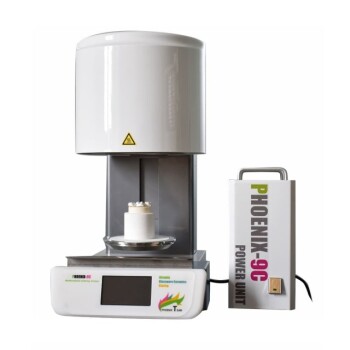
What Is A Dental Ceramic Furnace? Your Guide To Precision Restorations
Learn how a dental ceramic furnace sinters crowns, veneers, and bridges for superior strength, aesthetics, and durability in dental labs.
What Is The Burnout Cycle On A Furnace? Stop This Destructive Overheating Pattern Now
A furnace burnout cycle is a dangerous overheating loop caused by restricted airflow. Learn how to diagnose, prevent, and fix it to avoid costly damage.
What Is The Temperature Of The Burnout Oven? Master The Multi-Stage Cycle For Flawless Castings
Discover the precise multi-stage temperature schedule for burnout ovens, tailored to your investment, pattern material, and flask size for perfect castings.
What Is A Burnout Furnace Used For In Dentistry? Create Perfect Dental Crowns & Bridges
Learn how a burnout furnace eliminates wax patterns for precise dental restorations like crowns and bridges using the lost-wax casting technique.
What Is A Burnout Furnace? The Key To Flawless Precision Casting
Discover how a burnout furnace eliminates wax/resin patterns from investment molds for perfect dental, jewelry, and industrial casting results.
What Is A Dental Furnace? The Precision Oven For Creating Strong, Lifelike Dental Restorations
Learn how a dental furnace uses precise heat cycles to sinter zirconia, fire porcelain, and press ceramics for durable crowns, bridges, and veneers.
What Is The Function Of Burnout Furnace? Achieve Precision Material Removal And Clean Molds
Learn how a burnout furnace uses controlled heat to eliminate wax, polymers, and contaminants for investment casting, ashing, and heat treatment.
What Is A Dental Burnout Furnace? A Precision Tool For Flawless Dental Restorations
Learn how a dental burnout furnace ensures clean wax removal for precise crowns, bridges, and implants. Essential for quality dental lab results.
What Is A Dental Burnout Furnace? Achieve Precision In Every Dental Restoration
Learn how a dental burnout furnace ensures accurate restorations by eliminating wax patterns with precise temperature control and uniform heating.
What Is A Dental Oven? The Precision Furnace For Creating Strong, Aesthetic Dental Restorations
Discover how a dental oven transforms zirconia & ceramic into crowns & bridges. Learn about sintering, glazing, and key features for dental labs.
What Is The Firing Of Porcelain In Dentistry? The Lab Process For Strong, Life-Like Crowns & Veneers
Learn how porcelain firing in a dental lab furnace transforms powder into durable, aesthetic crowns and veneers through sintering and glazing.
What Is A Dental Porcelain Furnace? The Key To In-House, High-Quality Dental Restorations
Learn how a dental porcelain furnace transforms ceramic powders into durable, aesthetic crowns and bridges. Achieve faster turnaround and superior quality control.
What Is Sintering In Dentistry? Transform Zirconia Into High-Strength Dental Restorations
Learn how sintering transforms porous zirconia into strong, aesthetic dental crowns and bridges through precise heat treatment. Essential for lab success.
What Are The Problems With Zirconia Sintering? Mastering Volumetric Shrinkage For Perfect Fit
Learn how to control zirconia sintering's 20-25% shrinkage to prevent fit issues, warping, and strength loss in dental restorations.
Why Is Zirconia Sintered? To Unlock Its Full Strength And Aesthetic Potential
Discover how sintering transforms soft zirconia into a dense, high-strength ceramic for superior dental restorations through controlled heating and densification.
What Is The Sintering Temperature Of Zirconia? Achieve Optimal Strength And Aesthetics
Learn the optimal zirconia sintering temperature range (1400°C-1600°C) for maximum density, strength, and aesthetic results in dental restorations.
What Is The Sintering Temperature Of Dental Zirconia? Achieve Maximum Strength & Aesthetics
Learn the critical sintering temperature range (1400°C-1600°C) for dental zirconia to ensure strength, fit, and color accuracy in your restorations.
What Does Sintering Do To Zirconia? Unlock Its Full Strength And Aesthetic Potential
Learn how sintering transforms porous zirconia into a dense, strong ceramic. Discover its impact on strength, shrinkage, and aesthetics for optimal results.
How Long Does It Take To Sinter Zirconia? A Guide To Optimizing Your Sintering Cycle
Learn about zirconia sintering times, which range from 2 to 12+ hours, and the key factors like material type, furnace technology, and desired properties.
What Is Zirconia Sintering? The Key To Durable, Precision Dental Restorations
Learn how zirconia sintering transforms soft, milled zirconia into a strong, dense final restoration through precise heat treatment and controlled shrinkage.
How Hot Does A Dental Sintering Furnace Get? Unlock The Key To Perfect Restorations
Dental sintering furnaces reach up to 1530°C for zirconia. Learn why precise temperature control is critical for strength and fit.
What Is Sintering Process In Dentistry? Transform Milled 'Chalk' Into Durable Dental Restorations
Learn how sintering in dentistry fuses ceramic particles using heat to create strong, dense dental prosthetics like zirconia crowns, ensuring perfect fit and durability.
What Is A Sintering Furnace For Dental? The Key To Durable, High-Strength Ceramic Restorations
Learn how a dental sintering furnace transforms zirconia into strong, aesthetic crowns & bridges with precise temperature control for perfect fit and durability.
What Does A Dental Furnace Do? Achieve Perfect, Lifelike Dental Restorations
Discover how a dental furnace sinters zirconia and fires porcelain to create strong, durable, and aesthetic crowns, bridges, and veneers.
What Is A Dental Furnace? The Essential Tool For High-Quality Dental Restorations
Learn about dental furnaces: specialized ovens for sintering zirconia and firing ceramics to create strong, aesthetic crowns, bridges, and dentures.
What Is A Ceramic Dental Furnace? A Precision Tool For Durable, Aesthetic Restorations
Discover how a ceramic dental furnace uses controlled heat and pressure to sinter, glaze, and press materials into strong, lifelike dental crowns and bridges.
What Is A Porcelain Furnace? The Key To Creating Perfect Dental Restorations
Discover how a porcelain furnace precisely fires dental ceramics to create strong, aesthetic crowns, bridges, and veneers for your lab.
What Is A Porcelain Furnace In Dentistry? The Key To Creating Strong, Aesthetic Dental Restorations
Discover how a dental porcelain furnace transforms ceramic powders into durable crowns, veneers, and bridges through precise firing, sintering, and glazing processes.
What Is The Function Of A Porcelain Furnace? Precision Firing For Lifelike Dental Restorations
Discover how a porcelain furnace sinters ceramic powders into strong, aesthetic dental crowns and bridges through precise temperature and vacuum control.
Why Are Porcelain Fired Under Vacuum? To Eliminate Porosity For Superior Strength & Translucency
Learn how vacuum firing removes air to prevent bubbles, creating denser, stronger, and more translucent porcelain for dental and industrial applications.
What Is The Temperature Of A Porcelain Furnace? Master Sintering For Perfect Results
Porcelain furnace temperatures range from 800°C to 1300°C. Learn how precise sintering, not melting, creates strong, durable ceramics.
What Is Dental Ceramic Made Of? Discover The Science Behind Strong, Beautiful Teeth
Learn about dental ceramics like leucite and lithium disilicate, engineered for optimal strength and aesthetics in modern tooth restorations.
What Are Ceramics Used For In Dentistry? Achieve Natural-Looking, Durable Restorations
Discover how dental ceramics are used for crowns, bridges, and fillings, offering superior aesthetics, biocompatibility, and strength for tooth restoration.
What Is A Porcelain Furnace Used For In Dentistry? Precision Crafting For Lifelike Dental Restorations
Discover how porcelain furnaces create durable crowns, veneers, and bridges through precise sintering, pressing, and glazing.
What Is A Dental Ceramic Furnace? A Precision Oven For High-Strength, Aesthetic Restorations
Learn how a dental ceramic furnace uses precise heat cycles to transform materials like zirconia and porcelain into durable, aesthetic crowns and bridges.