All Questions
What Is Fast And Slow Pyrolysis? Choosing The Right Biomass Conversion Process
Learn the key differences between fast and slow pyrolysis: process conditions, product yields (bio-oil vs. biochar), and how to select the right method for your goals.
How Does Heating Rate Affect Pyrolysis? Control Product Yields For Biochar, Bio-Oil, Or Syngas
Learn how heating rate in pyrolysis determines product distribution: slow rates favor biochar, fast rates maximize bio-oil, and high temperatures produce syngas.
What Happens To The Feedstock During Pyrolysis? A Guide To Controlled Thermal Decomposition
Learn how pyrolysis transforms biomass and waste into valuable bio-oil, biochar, and syngas through precise thermal decomposition in an oxygen-free environment.
What Is The Reaction Of Pyrolysis? Unlock Value From Waste With Thermal Decomposition
Learn how pyrolysis thermally decomposes materials without oxygen to produce valuable biochar, bio-oil, and syngas from organic waste.
What Are The Reactions Involved In Pyrolysis Of Biomass? Unlock The Chemistry For Tailored Bio-Products
Explore the two-stage chemical reactions of biomass pyrolysis and how to control them to maximize yields of bio-char, bio-oil, or syngas.
What Does The Efficiency Of The Pyrolysis Process Depend On? Optimize Feedstock & Reactor Control
Learn how moisture content, particle size, temperature, and heating rate dictate pyrolysis efficiency for bio-oil, biochar, or syngas yield.
How Does Time Affect Pyrolysis? Master Residence Time To Control Biochar, Bio-Oil, And Syngas Yields
Learn how residence time in pyrolysis dictates product distribution: short times for bio-oil, long times for syngas, and balanced times for biochar.
How Efficient Is Fast Pyrolysis? Maximizing Biomass Conversion With High-Yield Bio-Oil Production
Explore the efficiency of fast pyrolysis in converting biomass into bio-oil, bio-char, and syngas. Learn about its high yield, self-sustaining energy loop, and logistical advantages.
What Is The Difference Between Fast And Slow Pyrolysis? Choosing The Right Biomass Conversion Process
Learn the key differences between fast and slow pyrolysis: fast maximizes bio-oil yield, while slow focuses on biochar production for carbon sequestration.
What Are The Main Products Formed From The Pyrolysis Process? A Guide To Bio-Char, Bio-Oil, And Syngas
Learn about the three main pyrolysis products: bio-char, bio-oil, and syngas. Understand how temperature and feedstock control the final output.
What Is The Temperature Of Fast Pyrolysis Reaction? Achieve Optimal Bio-Oil Yields With Precise Thermal Control
Fast pyrolysis operates at 450-550°C to maximize bio-oil production. Learn how temperature, heating rate, and residence time impact your product yields.
What Is The Temperature Of Slow Pyrolysis? Optimize For High-Quality Biochar Production
Slow pyrolysis operates at ~400°C to maximize biochar yield. Learn how temperature, heating rate, and duration control the outcome.
What Are The Parameters Affecting Pyrolysis? Master The 4 Key Levers For Optimal Output
Learn how temperature, residence time, feedstock, and pressure control pyrolysis efficiency and product yields like bio-oil, biochar, and syngas.
What Are The Factors Affecting Plastic Pyrolysis? Optimize Yield And Quality From Waste Plastic
Learn how plastic type, temperature, and catalysts affect pyrolysis oil yield and quality. Key factors for maximizing output from waste plastic.
What Are The Factors Affecting Pyrolysis Yield? Mastering The Control Of Char, Oil, And Gas Production
Learn how feedstock, temperature, heating rate, and vapor residence time determine pyrolysis yield to optimize for biochar, bio-oil, or syngas.
Is Pyrolysis Good For The Environment? Unlocking Its Potential For Waste & Carbon Reduction
Explore how pyrolysis transforms waste into fuel and biochar, reducing landfill use and emissions. Learn the key factors for positive environmental impact.
Does Pyrolysis Use A Lot Of Energy? Achieve Net Energy Positive Waste Conversion
Pyrolysis is an energy transformation process. Learn how it can be net energy positive by converting waste into valuable syngas, bio-oil, and bio-char.
What Gases Are Released During Pyrolysis? Mastering Syngas, Bio-Oil, And Bio-Char Production
Learn about the gases from pyrolysis (syngas, CO2, CH4) and how to control the output of bio-oil, bio-char, and syngas by tuning temperature and heating rate.
Does Pyrolysis Produce Carbon Monoxide? Harnessing Syngas For Energy And Safety
Learn why carbon monoxide is a key component of pyrolysis syngas, its role as a fuel source, and critical safety measures for handling.
What Is The Best Feedstock For Biochar? Match Your Material To Your Goal For Maximum Impact
Discover how to choose the right biochar feedstock—woody biomass, crop residues, or manure—based on your goal: carbon sequestration, soil fertility, or waste management.
What Are The Types Of Feedstock For Biochar? Choose The Right Material For Your Needs
Explore the main biochar feedstocks: woody biomass, agricultural residues, and organic wastes. Learn how each affects biochar quality and application.
What Are The Feedstocks Used In Pyrolysis? Unlock The Potential Of Diverse Organic Materials
Explore common pyrolysis feedstocks like biomass, plastics, and waste. Learn how feedstock choice affects product yield and process efficiency.
What Is The Feedstock For Slow Pyrolysis? Choosing The Right Biomass For High-Quality Biochar
Learn about the ideal feedstock for slow pyrolysis, including wood waste, agricultural residues, and energy crops, to maximize biochar production.
What Is The Difference Between Pyrolysis And Fast Pyrolysis? Maximize Biochar Or Bio-Oil Yield
Slow pyrolysis maximizes biochar for soil & carbon sequestration. Fast pyrolysis maximizes liquid bio-oil for fuel & chemicals. Learn the key differences.
What Are The Different Types Of Pyrolysis Technology? Choose The Right Process For Your Output Goal
Compare slow vs. fast pyrolysis technologies. Learn how heating rate and residence time determine biochar or bio-oil yield for your biomass conversion project.
What Are The Various Types Of Pyrolysis? Compare Methods To Optimize Your Biochar, Bio-Oil, Or Syngas Yield.
Compare slow, fast, and flash pyrolysis methods. Learn how heating rate, temperature, and residence time determine biochar, bio-oil, or syngas yields for your project.
What Is The Difference Between Fast And Slow Biomass Pyrolysis? Optimize Your Biofuel Or Biochar Production
Learn how fast pyrolysis maximizes bio-oil yield vs. slow pyrolysis for biochar. Compare heating rates, temperature, and vapor residence time.
Why Is Pyrolysis Environmentally Friendly? Turn Waste Into Clean Energy And Carbon Sequestration
Discover how pyrolysis transforms organic waste into renewable energy and biochar, reducing landfill volume and emissions while sequestering carbon.
Is Pyrolysis Good Or Bad For The Environment? Mastering The Process For A Sustainable Outcome
Pyrolysis's environmental impact depends on feedstock, process control, and product use. Learn how to optimize it for carbon sequestration or fuel production.
How Does Pyrolysis Affect The Environment? Unlocking Its Potential For Carbon-Negative Waste Conversion
Explore pyrolysis's dual environmental impact: a tool for carbon sequestration and renewable energy when managed responsibly, or a source of pollution if misapplied.
What Is Pyrolysis And Why Is It Important In The Combustion Process? Unlock The Hidden First Stage Of Fire
Discover pyrolysis: the chemical decomposition of fuel without oxygen that creates flammable gases for combustion. Learn its role in fire safety, efficiency, and industrial applications.
What Is The Process Of Pyrolysis And Combustion? A Guide To Thermal Decomposition Vs. Burning
Learn the key differences between pyrolysis and combustion: oxygen's role, energy balance, and product outcomes for material transformation.
What Are The Products Of Pyrolysis Of Biomass? Unlock Bio-Char, Bio-Oil, And Syngas
Discover the three main products of biomass pyrolysis: bio-char, bio-oil, and syngas. Learn how process conditions control yield for energy, fuel, and soil health.
What Is The Process For Converting Biomass Into Energy? Unlock Renewable Power From Organic Matter
Explore biomass energy conversion: from direct combustion and gasification to anaerobic digestion. Learn how to turn organic waste into heat, electricity, and biofuels.
Is Pyrolysis And Gasification Conversion Of Biomass? Choosing The Right Biomass Conversion Technology
Explore the differences between pyrolysis and gasification for biomass conversion. Learn which process is best for producing bio-oil, syngas, or bio-char.
Is Pyrolysis Process Safe? A Guide To Engineering Safety In High-Temperature Processing
Learn how to safely manage pyrolysis risks like extreme heat, flammable gases, and corrosive byproducts through robust engineering and protocols.
What Are The Safety Concerns Of Pyrolysis? Managing Fire, Toxicity, And Process Control Risks
Learn about pyrolysis safety concerns: fire and explosion risks, toxic by-products, and the need for specialized equipment and rigorous protocols.
What Are The Different Forms Of Biomass Conversion? Choose The Right Process For Your Feedstock And Goal
Explore the four main biomass conversion methods—thermochemical, biochemical, chemical, and mechanical—to efficiently turn organic matter into energy.
What Are The Emissions From Pyrolysis? Transforming Waste Into Valuable, Controllable Products
Pyrolysis doesn't create traditional emissions but produces valuable biochar, bio-oil, and syngas. Learn how to control these outputs for your goals.
What Is The Effect Of Torrefaction On Fast Pyrolysis Bio-Oil? Achieve Higher Quality, More Stable Bio-Fuel
Learn how torrefaction pre-treatment reduces bio-oil acidity, lowers water content, and increases energy density for a superior, fuel-grade product.
How Is Torrefaction Different From Pyrolysis Biochar? A Guide To Biomass Thermal Conversion
Learn the key differences between torrefaction and pyrolysis biochar, including temperature, product properties, and applications for your biomass project.
What Are The Risks Of Pyrolysis? Key Challenges In Waste-To-Energy Conversion
Understand the main risks of pyrolysis, including process control, emissions, and bio-oil instability, for safer waste-to-energy operations.
What Are The Uses Of Pyrolysis? Transform Waste Into Energy, Fuel, And More
Discover how pyrolysis converts biomass, plastic, and tire waste into valuable bio-oil, biochar, and syngas for energy, agriculture, and industry.
What Is The Product Composition Of Pyrolysis? Unlock The Potential Of Biochar, Bio-Oil, And Syngas
Learn how pyrolysis converts biomass, plastic, or methane into solid char, liquid oil, and gas. The yield depends on feedstock and process conditions.
What Are The Solid Products Of Pyrolysis? Unlock The Value Of Biochar And Coke
Discover the solid products of pyrolysis, including biochar and coke. Learn their applications in agriculture, energy, and industry.
What Are The Advantages Of Pyrolysis Technology? Turn Waste Into Profit And Reduce Emissions
Discover how pyrolysis technology converts biomass waste into valuable products like biochar and bio-oil, creating revenue while cutting pollution.
What Is The Process Of Biomass Fast Pyrolysis? Turn Biomass Into Bio-Oil In Seconds
Learn how biomass fast pyrolysis works: a rapid, oxygen-free thermal process that converts organic waste into liquid bio-oil, bio-char, and syngas.
What Is The Difference Between Pyrolysis And Torrefaction? Choose The Right Biomass Conversion Process
Learn the key differences between pyrolysis and torrefaction: temperature, goals, and outputs. Choose the right thermochemical process for your biomass.
What Are The Disadvantages Of Fast Pyrolysis? The Key Challenges Of Bio-Oil Production
Explore the main drawbacks of fast pyrolysis, including low-grade bio-oil, high acidity, and costly upgrading requirements for biomass conversion.
Is Pyrolysis Energy Efficient? Unlock A Self-Sustaining Waste-To-Energy Process
Discover how pyrolysis achieves a positive energy balance by converting waste into valuable fuels like bio-oil and syngas, making it a net energy producer.
How Is Pyrolysis Sustainable? Turning Waste Into Energy And Circular Materials
Discover how pyrolysis sustainably transforms non-recyclable waste into fuel, chemicals, and biochar, reducing landfill use and enabling a circular economy.
What Are The Factors Affecting Biochar Production? Key Variables To Engineer Biochar For Your Application
Learn how feedstock, pyrolysis temperature, and residence time determine biochar properties for carbon sequestration, soil fertility, or filtration.
What Are The Factors That Affect Pyrolysis? Mastering Temperature, Feedstock, And Process Control
Learn how temperature, heating rate, feedstock, and residence time control pyrolysis yields of bio-char, bio-oil, and gas for optimal results.
What Are The Factors Affecting Biomass Pyrolysis? Master Temperature, Feedstock & Economics For Optimal Output
Learn how temperature, residence time, biomass type, and economic factors control bio-oil, biochar, and biogas yields in pyrolysis.
What Is The Difference Between Pyrolysis And Gasification Of Biomass? Choose The Right Process For Your Goals
Pyrolysis vs. gasification: one process creates three products, the other maximizes syngas. Learn which is right for your biomass conversion needs.
What Is The Use Of Pyrolysis Product? Convert Waste Into Fuel, Biochar & Syngas
Discover how pyrolysis transforms waste into valuable products: bio-oil for fuel, biochar for soil, and syngas for energy. Learn applications and benefits.
What Are The Advantages And Disadvantages Of Flash Pyrolysis? Maximize Bio-Oil Yield Vs. High Costs
Explore the pros and cons of flash pyrolysis: high-speed bio-oil production vs. capital costs and technical complexity for biomass conversion.
What Are The Pyrolysis Reactions Of Biomass? A Guide To Converting Biomass Into Biochar, Bio-Oil, And Syngas
Learn how biomass pyrolysis works, the three main reaction stages, and how to control the process to maximize biochar, bio-oil, or syngas yield.
How Does The Process Of Pyrolysis Work? Unlock The Power Of Chemical Recycling And Energy Recovery
Discover how pyrolysis converts waste like plastic and biomass into valuable products (oil, gas, char) using heat without oxygen. Learn the steps and applications.
What Is The Mechanism Of Pyrolysis Of Biomass Materials? A Guide To Converting Biomass Into Bio-Oil, Char, And Gas
Learn how biomass pyrolysis thermally decomposes organic material without oxygen to produce valuable bio-oil, bio-char, and syngas through controlled heating.
Is Hydrogen From Biomass Gasification Green? The Truth About Its Sustainable Potential
Learn if biomass gasification hydrogen is truly green. Explore the carbon cycle, feedstock sustainability, and key trade-offs for a clear assessment.
Why Is Pyrolysis Sustainable? Unlocking A Circular Economy With Waste-To-Value Technology
Explore how pyrolysis sustainably converts waste into fuel, chemicals, and carbon-rich solids, reducing landfill use and greenhouse gas emissions.
What Is The Composition Of Biomass Pyrolysis Gas? A Guide To Its Makeup And Energy Value
Explore the composition of biomass pyrolysis gas, including combustible gases like H₂, CO, and CH₄, and how temperature and feedstock affect its energy content.
What Is Pyrolysis Of Biomass To Produce Hydrogen? A Guide To Carbon-Negative Green Hydrogen
Learn how biomass pyrolysis produces hydrogen-rich syngas and biochar for carbon sequestration, offering a path to carbon-negative energy.
What Is The Efficiency Of Pyrolysis? Unlocking The True Performance Of Your Pyrolysis Process
Pyrolysis efficiency depends on feedstock, technology, and metrics. Learn how to measure mass yield, energy return, and carbon efficiency for your goals.
What Are The Problems With Biomass Pyrolysis? High Costs & Technical Hurdles Explained
Explore the key challenges of biomass pyrolysis, including high capital costs, energy consumption, and complex product upgrading.
What Are The Byproducts Of Biomass Gasification? Unlocking Syngas, Biochar, And More
Discover the valuable byproducts of biomass gasification: syngas for energy, biochar for soil, and wood tar/vinegar for chemicals.
What Are The Examples Of Pyrolysis Waste? Transform Plastics, Tires & Biomass Into Resources
Learn about pyrolysis waste examples like plastics, tires, and biomass. Discover how to convert waste into valuable fuels, oils, and char.
What Happens During Pyrolysis? A Guide To Converting Waste Into Valuable Products
Learn how pyrolysis thermally decomposes organic materials without oxygen to produce biochar, bio-oil, and syngas for energy and chemicals.
What Is The Mechanism Of Pyrolysis Decomposition? A Guide To Converting Waste Into Valuable Products
Learn how pyrolysis works: thermal decomposition without oxygen to convert biomass and waste into biochar, bio-oil, and syngas for energy and chemicals.
How Is Pyrolysis Useful In Waste Management? Transform Waste Into Energy And Valuable Products
Discover how pyrolysis converts waste like plastics and tires into energy and materials, reducing landfill use and supporting a circular economy.
What Are The Limitations Of Pyrolysis? Key Economic And Technical Hurdles Explained
Explore the major limitations of pyrolysis, including high costs, feedstock sensitivity, and complex post-processing requirements for viable waste conversion.
What Are The Challenges Of Plastic Pyrolysis? Key Obstacles From Feedstock To Fuel
Explore the major challenges of plastic pyrolysis, including feedstock contamination, low-quality oil output, high costs, and environmental concerns.
What Are The Negative Effects Of Pyrolysis? High Costs And Environmental Risks Explained
Explore the major drawbacks of pyrolysis, including high capital costs, energy demands, and environmental risks from poor process control and feedstock sourcing.
What Are The Gaseous Products Of Pyrolysis? Understanding Syngas For A Self-Sustaining Process
Learn about pyrolysis gas (syngas) composition—H₂, CH₄, CO, CO₂—and its critical role in creating energy-efficient, self-sustaining systems.
What Are The Advantages Of Pyrolysis Process? Turn Waste Into Valuable Resources And Energy
Discover how pyrolysis converts waste like biomass and plastics into bio-oil, bio-char, and syngas, reducing landfill use and creating renewable energy.
Is Pyrolysis Environmentally Friendly? Unlocking Sustainable Waste-To-Energy Solutions
Explore how pyrolysis converts waste into renewable energy and biochar, reducing emissions and promoting a circular economy when managed responsibly.
What Is The Process Of Waste Pyrolysis? A Step-By-Step Guide To Converting Waste Into Valuable Resources
Learn how waste pyrolysis works to turn plastics, tires, and biomass into fuel, gas, and bio-char through thermal decomposition without oxygen.
What Is The Difference Between Pyrolysis Gasification And Combustion? Choose The Right Thermal Process For Your Goal
Learn the key differences between combustion, gasification, and pyrolysis: oxygen levels, outputs (heat, syngas, bio-oil), and how to select the best process for your needs.
What Is The Difference Between Pyrolysis Combustion And Gasification? A Guide To Thermal Conversion Technologies
Learn the key differences between pyrolysis, combustion, and gasification based on oxygen levels, process outputs, and applications for energy and products.
How Is Combustion Similar To Pyrolysis? Unlocking The Thermal Decomposition Pathways
Explore the core similarities and critical differences between combustion and pyrolysis, two key thermal processes for transforming organic materials.
What Is The Difference Between Pyrolysis And Incomplete Combustion? The Critical Role Of Oxygen In Thermal Processes
Pyrolysis vs. incomplete combustion: Learn how the presence of oxygen defines these processes, their products, and their applications.
What Is The Difference Between Incineration Pyrolysis And Gasification? Mastering Thermal Conversion Technologies
Learn the key differences between incineration, pyrolysis, and gasification: oxygen levels, final products, and how to choose the right technology.
What Are The End Products Of Biomass Gasification? A Guide To Syngas, Biochar, And More
Learn about the primary products of biomass gasification: syngas, biochar, and liquid condensates. Understand how process conditions influence the final output.
What Are The Main Outputs From The Pyrolysis Step In The Gasification Process? Tune Your Process For Gas, Liquid, Or Solid
Learn how pyrolysis in gasification produces syngas, bio-oil, and biochar. Control temperature and heating rate to maximize your desired output.
What Is The Feedstock For Biomass Gasification? Unlock The Potential Of Diverse Organic Materials
Discover the diverse feedstocks for biomass gasification, from agricultural residues to organic waste, and learn how to select the right material for your project.
What Are The Requirements For Pyrolysis? Control Temperature And Atmosphere For Your Desired Product
Learn the core requirements for pyrolysis: elevated temperature and an oxygen-free atmosphere. Optimize conditions to produce biochar, bio-oil, or syngas.
What Are The Feedstocks For Pyrolysis? Unlock The Potential Of Organic Materials
Explore pyrolysis feedstocks: from biomass to plastic waste. Learn how your choice impacts bio-oil, biochar, and syngas yields for energy and sustainability.
Which Is Better Pyrolysis Or Gasification? Choose The Right Process For Your Energy Goals
Pyrolysis vs. gasification: one produces liquid fuels and bio-char, the other generates syngas for power. Learn which fits your project.
What Are The Advantages Of Pyrolysis And Gasification? Choosing The Right Waste-To-Energy Technology
Explore the key advantages of pyrolysis vs. gasification: pyrolysis creates storable bio-oil and bio-char, while gasification maximizes syngas for immediate power.
What Are The Products Of Pyrolysis And Gasification? Unlock The Value In Biomass Conversion
Learn the key differences between pyrolysis and gasification outputs: bio-char, bio-oil, and syngas. Choose the right process for your energy or material goals.
What Is The Future Potential Of Pyrolysis And Gasification? Unlocking Value From Waste
Explore how pyrolysis and gasification convert waste into renewable energy, fuels, and soil enhancers, driving the shift from fossil fuels.
What Are The Applications Of Pyrolysis? Converting Waste Into Valuable Fuels And Chemicals
Explore how pyrolysis transforms biomass and plastic waste into bio-oil, biochar, and syngas for energy, agriculture, and chemical production.
How Is Gasification More Advantageous Than Pyrolysis? Maximize Energy Vs. Product Flexibility
Gasification excels in direct power generation efficiency, while pyrolysis offers versatile, storable bio-products. Choose based on your energy or product goals.
What Is The Difference Between Pyrolysis And Gasification? Unlocking The Right Thermal Conversion Process
Explore the key differences between pyrolysis and gasification: oxygen use, products (bio-oil/char vs. syngas), and how to choose the right technology for your goals.
How Is Pyrolysis Different From Gasification? A Guide To Thermal Conversion Technologies
Learn the key difference between pyrolysis and gasification: oxygen presence. Pyrolysis produces bio-oil and char; gasification creates syngas for energy.
What Is The Disadvantage Of Pyrolysis? Key Economic And Technical Challenges Explained
Explore the main disadvantages of pyrolysis, including high costs, energy consumption, and technical complexity. Is it right for your application?
Why Is Gasification Better Than Pyrolysis? Maximize Energy Output Vs. Create Valuable Products
Gasification excels for direct energy generation, while pyrolysis creates storable bio-oil & bio-char. Choose based on your primary goal.
Why Is Pyrolysis Better? Transform Waste Into Valuable Resources Like Biochar And Biofuels.
Discover how pyrolysis converts waste into valuable products like biochar, bio-oil, and syngas, enabling a circular economy and carbon sequestration.
What Are The Advantages And Disadvantages Of Pyrolysis? Unlocking Value From Waste Vs. Cost & Complexity
Explore the pros and cons of pyrolysis: turning waste into bio-oil, biochar & syngas, balanced against high costs and technical challenges.
Related Products
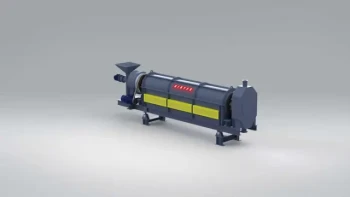
Electric Rotary Kiln Small Rotary Furnace for Activated Carbon Regeneration
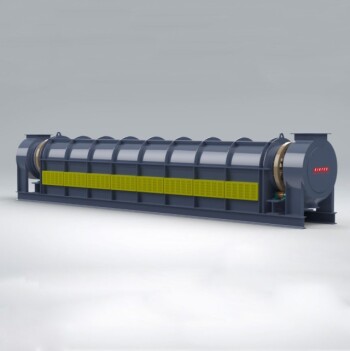
Electric Rotary Kiln Pyrolysis Furnace Plant Machine Calciner Small Rotary Kiln Rotating Furnace

Electric Rotary Kiln Continuous Working Small Rotary Furnace Heating Pyrolysis Plant

Electric Rotary Kiln Small Rotary Furnace Biomass Pyrolysis Plant

Laboratory Vacuum Tilt Rotary Tube Furnace Rotating Tube Furnace
