All Questions
What Are The Results Of Calcination? A Guide To Purification And Material Transformation
Calcination results in thermal decomposition, removal of volatiles, phase transitions, and material purification. Learn how this process enhances reactivity and stability.
What Is The Main Function Of Calcination? Purify, Transform, And Prepare Materials With Heat
Calcination is a thermal process that removes volatiles, decomposes compounds, and alters material structure for purification and industrial applications.
What Is The Difference Between Refining And Calcination? A Guide To Material Processing Stages
Learn the key differences between calcination (preparatory thermal decomposition) and refining (final purification) in metallurgy and material processing.
What Is The Difference Between Roasting And Calcination? A Guide To Metallurgical Ore Processing
Learn the key differences between roasting and calcination, including their chemical processes, examples, and applications in metal extraction.
What Is The Difference Between Calcination And Roasting? A Guide To Thermal Treatment Processes
Understand the key differences between calcination and roasting: thermal decomposition vs. chemical oxidation in metallurgy and materials processing.
What Is Different Between Calcination? Unlocking Thermal Processing For Material Science
Discover the key differences between calcination and sintering: one alters chemical composition, the other physical structure for material science applications.
Which Ores Undergo Calcination? A Guide To Carbonate And Hydrated Ore Processing
Learn which ores require calcination, including carbonate and hydrated ores like calamine and bauxite, for efficient metal extraction.
What Is The Application Of Calcination In Chemistry? A Guide To Material Transformation
Explore calcination's role in chemistry: thermal decomposition, volatile removal, and phase transformation for industries like cement, metallurgy, and catalysts.
What Is The Heat Required For Calcination? A Guide To Accurate Energy Calculations
Learn how to calculate calcination heat requirements, including theoretical enthalpy and practical system losses for efficient process design.
Is Calcination Bad For The Environment? The Truth About Its Major Carbon Footprint
Calcination is a major source of industrial CO2 emissions. Learn how this high-heat process impacts the environment and the search for greener solutions.
What Is An Example Of Calcination? The Limestone-To-Lime Industrial Process
Explore the classic example of calcination: transforming limestone into lime. Learn the process, equipment used, and key industrial applications.
What Is Calcined Material? A Guide To High-Temperature Material Transformation
Learn how calcination transforms materials through high-temperature treatment for purification, phase changes, and industrial applications like cement and catalysts.
What Is The Temperature Of Calcination Decomposition? A Guide To Material-Specific Ranges
Calcination temperature is not a single value but a range dependent on the material. Learn how to determine the right temperature for your process.
What Is The Effect Of Temperature On Calcination? Master Precise Heat Control For Material Properties
Learn how temperature drives calcination, controlling purity, crystal structure, and surface area. Avoid under-calcination and sintering risks.
What Is Calcination A Burning Process? Discover The Key Differences In Thermal Processing
Learn why calcination is not burning but a controlled thermal decomposition process for material transformation, crucial for industrial applications.
What Is The Process Of Calcination Ores? Purify And Concentrate Metals For Smelting
Calcination is a thermal decomposition process that removes volatile components from ores, increasing purity and porosity for efficient metal extraction.
What Is High Temperature Calcination? Mastering Material Transformation With Heat
Learn how high-temperature calcination decomposes compounds, removes volatiles, and creates new crystalline phases for advanced materials.
How Do You Choose Calcination Temperature? A Guide To Optimizing Material Properties
Learn how to select the ideal calcination temperature based on your material's composition and desired outcome, from purification to phase transitions.
What Is The Temperature Range For Calcination? Master The 800°C To 1300°C Process
Calcination typically occurs between 800°C and 1300°C. Learn how precise temperature control drives decomposition without sintering.
What Machine Is Used For Calcination? The Essential Role Of The Calciner In Industrial Processing
Discover the calciner: the specialized industrial furnace for high-temperature material transformation, purification, and metal extraction.
What Are The Advantages Of Calcination? Purify, Activate, And Stabilize Your Materials
Discover the key benefits of calcination, including purification, material activation, and thermal decomposition for industries like cement and metallurgy.
What Happens In A Calciner? A Deep Dive Into Industrial Thermal Transformation
Discover how calciners drive chemical changes in materials like limestone and bauxite through high-temperature, controlled heating processes.
What Happens In Calcination Zone Of Rotary Furnace? A Guide To Efficient Thermal Decomposition
Learn how the calcination zone in a rotary furnace drives off volatiles and transforms materials for efficient high-temperature processing.
What Is The Byproduct Of Calcination? Uncovering The Gases Released In Thermal Decomposition
Calcination primarily produces gaseous byproducts like CO2 or water vapor. Learn how this thermal decomposition process chemically alters materials for industry.
What Are The Benefits Of Calcination Process? Achieve Precise Material Transformation For Your Industrial Needs
Discover the key benefits of calcination: remove volatile substances, create reactive oxides, and control material properties for cement, metals, and catalysts.
What Is The Significance Of Calcination? A Guide To Purification And Metal Extraction
Calcination is a thermal process using high heat in a controlled atmosphere to purify materials, remove impurities, and prepare ores for metal extraction.
What Are The Products Of Calcination? A Guide To Thermal Decomposition Outputs
Learn the primary products of calcination: a purified solid oxide and gaseous byproducts. Essential for cement, metallurgy, and chemical processing.
What Are The Applications Of Calcination? A Guide To Thermal Processing In Industry
Explore calcination applications in cement production, ore purification, and material science. Learn how thermal decomposition transforms raw materials.
What Are The Different Types Of Calcination? Choosing The Right Method For Your Material
Understand calcination types: direct vs. indirect heating, furnace choices, and atmosphere control. Learn how to select the best method for purity, efficiency, and volume.
What Equipment Is Used For Calcination? Choosing The Right System For Your Process
Discover the key equipment for calcination: calciners, rotary kilns, and fluidized bed reactors. Learn to choose the right system for your material and process goals.
What Is A Calcination Furnace? A Guide To High-Temperature Chemical Transformation
Learn how a calcination furnace uses high heat to decompose materials, remove volatile components, and drive chemical changes for industrial processes.
What Is Calcination Suitable For? A Guide To High-Temperature Solid-State Transformation
Learn how calcination is used for thermal decomposition, purification, and phase transitions in materials like limestone, zeolites, and ceramics.
What Are The Materials Suitable For Pyrolysis? Unlocking Value From Waste Streams
Discover the best materials for pyrolysis, including biomass, plastics, and rubber. Learn how feedstock properties impact product yield and quality.
What Are The Examples Of The Products Of Pyrolysis? Biochar, Bio-Oil, And Syngas Explained
Discover the three main products of pyrolysis: biochar, bio-oil, and syngas. Learn how feedstock and process conditions determine the output.
What Is An Example Of A Pyrolysis Reaction? Unlock The Process Of Turning Wood Into Charcoal
Learn how pyrolysis converts wood into charcoal, bio-oil, and syngas through heat without oxygen, a key process for waste-to-energy and biofuel production.
What Are The Weaknesses Of Pyrolysis? Navigating High Costs And Operational Hurdles
Explore the key weaknesses of pyrolysis, including high capital costs, energy consumption, and product purification challenges, to assess its viability.
What Is The Operating Temperature Of Pyrolysis? Master The Key To Biochar, Bio-Oil, And Syngas Production
Learn how pyrolysis temperature (400°C-900°C) controls product output: biochar, bio-oil, or syngas. Optimize your process for maximum yield.
How Does Pressure Affect The Pyrolysis Process? Control Product Yields Of Gas, Liquid, And Char
Learn how vacuum, atmospheric, and high-pressure pyrolysis conditions control vapor residence time to maximize bio-oil, syngas, or char production.
What Are The Different Types Of Pyrolysis Reactors? Choose The Right Reactor For Your Process
Explore fixed-bed, fluidized-bed, rotary kiln & other pyrolysis reactors. Learn how reactor design impacts biochar, bio-oil, and gas yields for your goals.
What Are The Reactors For Pyrolysis? Choose The Right Design For Your Target Product
Explore fixed-bed, fluidized-bed, rotary kiln, and auger pyrolysis reactors. Learn how each design controls heat and time to maximize biochar, bio-oil, or syngas yield.
What Are The Components Of A Pyrolysis Plant? Unlock The 4 Key Systems For Waste-To-Energy
Learn the 4 core components of a pyrolysis plant: feeding, reactor, discharging, and emission cleaning systems. Turn waste into valuable resources.
What Is The Function Of A Pyrolysis Reactor? Transform Waste Into Valuable Resources With Thermal Cracking
Discover how a pyrolysis reactor thermally decomposes waste without oxygen to produce bio-oil, syngas, and bio-char. Learn about different reactor types and their uses.
What Waste Is Suitable For Pyrolysis? Unlock Value From Plastics, Biomass, And Tires
Learn which waste materials are ideal for pyrolysis, including plastics, biomass, and tires, to produce valuable fuels, chemicals, and biochar.
What Are The Benefits Of A Plastic Pyrolysis Plant? Turn Waste Plastic Into Valuable Resources
Discover how plastic pyrolysis plants convert non-recyclable plastic waste into fuel oil and carbon black, reducing landfill use and creating energy.
What Is The Purpose Of A Pyrolysis Reactor? To Transform Waste Into Valuable Bio-Oil, Biochar, And Syngas
Learn how pyrolysis reactors thermally decompose biomass, plastics, and tires without oxygen to produce valuable bio-oil, biochar, and syngas.
What Is The Process Of Pyrolysis Example? Transform Waste Into Value With Thermal Decomposition
Learn how pyrolysis turns biomass, plastic, and tires into bio-char, bio-oil, and syngas using heat without oxygen. A key waste-to-energy process.
What Is Safety In Pyrolysis Process? Managing Extreme Heat And Flammable Products
Learn the 3 pillars of pyrolysis safety: process design, equipment integrity, and human protocols to prevent fires and explosions during thermal decomposition.
What Type Of Energy Is Required To Break Down Material During Pyrolysis? Harnessing Thermal Energy For Efficient Conversion
Learn how thermal energy drives pyrolysis to break down materials into valuable products like bio-oil, syngas, and biochar without combustion.
What Are The Risks Of The Process Of Pyrolysis? A Guide To Environmental, Operational, And Economic Challenges
Explore the key risks of pyrolysis, including pollutant emissions, unstable bio-oil, high energy costs, and economic viability challenges for waste conversion.
Does Pyrolysis Cause Air Pollution? The Truth About Clean Waste Conversion
Learn how pyrolysis, when properly managed, avoids air pollution by converting waste into biochar, bio-oil, and syngas without combustion.
How Does Pyrolysis Help The Environment? Transform Waste Into Renewable Energy And Carbon Sequestration
Discover how pyrolysis reduces landfill waste, creates renewable energy, and sequesters carbon by converting waste into bio-oil, syngas, and biochar.
How Does Pyrolysis Of Plastic Waste Affect The Environment? A Balanced Look At Benefits And Risks
Explore the environmental pros and cons of plastic pyrolysis, from reducing landfill waste to managing hazardous byproducts. Understand the full lifecycle impact.
What Is Bio-Oil From Biomass? A Guide To Pyrolysis Oil Production And Uses
Learn about bio-oil, a liquid fuel from biomass pyrolysis. Understand its production, key characteristics, applications, and limitations.
What Is Bio-Oil Production From Biomass By Using Pyrolysis Method? Turn Waste Into Liquid Fuel
Learn how pyrolysis converts biomass like wood waste into bio-oil, a liquid fuel, including its process, properties, and applications.
How Is Bio-Oil Produced In Renewable Energy? Unlocking Liquid Fuel From Biomass Via Fast Pyrolysis
Bio-oil is produced through fast pyrolysis, a thermochemical process that converts biomass into a liquid fuel. Learn about the process, products, and challenges.
What Biomass Is Used In Pyrolysis? Selecting The Optimal Feedstock For Your Goals
Discover the best biomass for pyrolysis, from agricultural residues to waste streams. Learn how to choose feedstock for bio-oil, biochar, or syngas production.
What Are The Components Of Biomass Pyrolysis? A Complete Guide To The System, Products, And Process
Learn about the three key components of biomass pyrolysis: the chemical makeup of biomass, the pyrolysis plant machinery, and the valuable products (biochar, bio-oil, syngas).
Which Catalyst Used In Biomass Pyrolysis For Production Of Bio-Oil? Select The Right Catalyst For Your Bio-Oil
Explore key catalysts like ZSM-5 zeolites for biomass pyrolysis. Learn how to select the best catalyst to optimize bio-oil yield and quality for your specific needs.
What Are The Methods Of Producing Bio-Oil? The Definitive Guide To Pyrolysis And Alternative Biofuel Processes
Discover the primary method for producing bio-oil: pyrolysis. Learn how thermochemical conversion differs from biochemical processes like fermentation and transesterification.
What Is Pyrolysis And The Process Of Pyrolysis? Turn Waste Into Valuable Resources
Discover how pyrolysis thermally decomposes biomass & plastics without oxygen to create bio-oil, bio-char, and syngas for energy & materials.
What Can Pyrolysis Oil Be Used For? A Guide To Fuel, Chemicals, And Waste Valorization
Discover the uses of pyrolysis oil: a versatile fuel for heat & power, and a chemical feedstock for upgraded products. Learn about its applications and challenges.
What Are The Advantages Of Bio Oil Pyrolysis? Turn Waste Into Renewable Energy & Carbon Sinks
Discover how bio-oil pyrolysis converts biomass waste into renewable bio-oil, syngas, and biochar for energy, waste reduction, and carbon sequestration.
What Are The Advantages Of Pyrolysis System? Turn Waste Into Renewable Energy & Revenue
Discover how pyrolysis systems convert organic waste into bio-oil, syngas, and biochar, reducing emissions and creating new revenue streams.
What Is Pyrolysis Advantages And Disadvantages? Unlocking Waste-To-Value Potential
Explore pyrolysis pros and cons: converting waste into bio-oil, biochar, and syngas for energy and carbon sequestration.
What Is The Water Content Of Pyrolysis Oil? A Key Factor In Bio-Oil Quality And Use
Pyrolysis oil typically contains 15-30% water. Learn how this affects its energy content, stability, and potential for upgrading into fuels and chemicals.
What Is The Composition Of Pyrolysis Oil From Plastic Waste? Unlocking The Potential Of Chemical Recycling
Explore the variable composition of plastic pyrolysis oil, a complex mix of hydrocarbons influenced by feedstock type and process conditions.
What Is The Carbon Content Of Pyrolysis Oil? A Deep Dive Into Its Composition And Uses
Pyrolysis oil contains 50-60% carbon, but its high oxygen content defines its properties. Learn about its energy value and applications.
What Is The Composition Of Fast Pyrolysis Oil? A Guide To The Complex Chemical Intermediate
Explore the composition of fast pyrolysis oil: a complex emulsion of water, oxygenated organics, and polymers, with key challenges and applications.
What Are The Sources Of Pyrolysis Oil? Unlock Fuel From Biomass & Plastic Waste
Pyrolysis oil sources include biomass (wood, crops) and plastic waste. Learn how feedstock choice impacts oil quality and your project's goals.
Is Pyrolysis Pollution Free? A Balanced Look At Its Environmental Impact
Pyrolysis isn't inherently pollution-free. Its environmental impact depends on system design, feedstock sourcing, and operational controls. Learn the trade-offs.
Is Pyrolysis Process Environmentally Friendly? Unlocking Waste-To-Value With Responsible Technology
Explore how pyrolysis can be an eco-friendly solution for waste reduction, renewable energy, and carbon sequestration when managed correctly.
Is There A Market For Pyrolysis Oil? A Guide To Opportunities And Challenges
Explore the market for pyrolysis oil, a low-grade fuel from waste, its drivers, applications, and future potential in the circular economy.
What Can You Do With Pyrolysis Oil? Turn Waste Into Power, Fuel, And Chemicals
Learn how pyrolysis oil is used as industrial fuel, upgraded to transportation fuels, or refined into chemicals. Understand its applications and challenges.
What Can Pyrolysis Be Used For? Transform Waste Into Fuel, Biochar, And Syngas
Discover how pyrolysis converts biomass, plastics, and tires into valuable products like bio-oil, biochar, and syngas for energy, agriculture, and chemicals.
What Are The Uses Of Pyrolysis Products? Unlock Value From Bio-Oil, Biochar, And Syngas
Discover the applications of pyrolysis products: bio-oil for fuel, biochar for soil & materials, and syngas for energy. Turn waste into value.
What Is The Composition Of Pyrolysis Products? A Guide To Biochar, Bio-Oil, And Syngas
Learn about the three main pyrolysis products: biochar, bio-oil, and syngas. Understand how feedstock and process conditions determine their composition and yield.
What Is The Temperature Of Heating Pyrolysis? Master The Key To Your Desired Output
Learn how pyrolysis temperature (400°C-900°C) controls product yield: biochar, bio-oil, or syngas. Optimize your process for maximum efficiency.
What Is The Time For Fast Pyrolysis? Unlock Maximum Bio-Oil Yield In Under 2 Seconds
Fast pyrolysis achieves high bio-oil yield with vapor residence times under 2 seconds. Learn how precise time control optimizes biomass conversion.
What Is Fast Pyrolysis Oil? A Guide To The Renewable Liquid Biofuel
Discover fast pyrolysis oil (bio-oil): a renewable fuel made from biomass, its unique properties, production process, and applications for energy and sustainability.
Is Pyrolysis Oil Environmentally Friendly? Unlocking Its Green Potential Through Responsible Use
Explore the environmental impact of pyrolysis oil. Learn how feedstock, process control, and end-use determine its eco-friendliness and carbon sequestration benefits.
What Are Pyrolysis Advantages? Transform Waste Into Energy & Valuable Materials
Discover the key advantages of pyrolysis: waste reduction, energy production, and material recovery. Learn how it converts biomass, plastics, and tires into valuable products.
How Is Pyrolysis Good For The Environment? A Sustainable Solution For Waste And Carbon
Pyrolysis benefits the environment by converting waste into biofuel and biochar, reducing landfill emissions and enabling carbon sequestration.
What Is The Temperature Of The Pyrolysis Process? A Guide To Optimizing Bio-Char, Bio-Oil, And Syngas Yields
Pyrolysis temperature (400-900°C) dictates product yield. Learn how to optimize for bio-char, bio-oil, or syngas based on your feedstock and goals.
What Is The Major Product Of Pyrolysis? Tailoring The Output For Your Specific Needs
Discover the three main products of pyrolysis—biochar, bio-oil, and syngas—and how process conditions determine the primary yield.
What Is The Effect Of Temperature On Pyrolysis Products? Master Product Yields With Thermal Control
Learn how temperature and heating rate dictate pyrolysis product distribution: biochar, bio-oil, or syngas. Optimize your process for maximum yield.
What Are The Byproducts Of Biochar? Valuable Co-Products From Pyrolysis
Discover the key byproducts of biochar production: bio-oil and syngas. Learn how process conditions control the output mix for your project goals.
What Are The Different Types Of Pyrolysis Reactions? A Guide To Optimizing Biochar, Bio-Oil, And Syngas
Learn the key differences between slow, fast, and flash pyrolysis and how to choose the right process to maximize your desired product yield.
What Is The Difference Between Fast And Flash Pyrolysis? Maximize Your Bio-Oil Yield
Discover the key differences between fast and flash pyrolysis, including heating rates, vapor residence times, and their impact on bio-oil production.
What Are The Three Types Of Pyrolysis Process? Slow, Fast, And Conventional Explained
Learn the key differences between slow, fast, and conventional pyrolysis processes and how to choose the right one for your biochar or bio-oil production goals.
What Is The Effect Of Pyrolysis? Converting Waste Into Fuel, Chemicals, And Energy
Pyrolysis thermally decomposes organic materials like biomass & plastic waste into valuable bio-oil, bio-char, and syngas for energy and chemicals.
What Are The Limitations Of Flash Pyrolysis? Key Challenges In Bio-Oil Production
Explore the key limitations of flash pyrolysis, including bio-oil instability, high operational costs, and the need for secondary upgrading processes.
What Is Flash Pyrolysis Of Biomass? Maximize Bio-Oil Yield For Biofuels & Chemicals
Flash pyrolysis rapidly heats biomass to 400-550°C without oxygen, producing liquid bio-oil in under 2 seconds. Ideal for biofuel production.
What Is The Flash Pyrolysis Process? Maximize Liquid Bio-Oil Yield From Biomass & Plastic
Learn how flash pyrolysis rapidly converts biomass & plastic into liquid bio-oil with high yield. Understand the process, advantages, and applications.
What Is The Minimum Temperature For Pyrolysis? Control Your Output With Precise Temperature Ranges
Learn the minimum pyrolysis temperature (200-300°C) and how temperature control determines product yield (biochar, bio-oil, syngas) for your lab or industrial process.
What Are The Disadvantages Of Flash Pyrolysis Process? High Costs And Technical Risks
Explore the key drawbacks of flash pyrolysis, including high capital costs, complex feedstock preparation, and environmental risks.
What Are The Main Products Of Flash Pyrolysis? Maximize Bio-Oil Yield For Renewable Fuel
Flash pyrolysis converts biomass into three main products: bio-oil, biochar, and syngas. Learn how to optimize for liquid fuel production.
What Are The Advantages Of Flash Pyrolysis? Maximize Liquid Bio-Oil Yield & Efficiency
Discover the key benefits of flash pyrolysis: high bio-oil yields, rapid processing, and efficient conversion of biomass into liquid fuel precursors.
How Does Fast Pyrolysis Work? Quickly Convert Biomass Into Liquid Biofuel
Learn how fast pyrolysis uses rapid heating and cooling to efficiently convert biomass into bio-oil, a renewable liquid fuel, in an oxygen-free environment.
What Are The Disadvantages Of Flash Pyrolysis Oil? Overcoming Key Challenges In Bio-Oil Utilization
Explore the main drawbacks of flash pyrolysis oil, including high water content, chemical instability, and corrosive nature, and how to manage them.
What Are The Products Of Fast Pyrolysis? Bio-Oil, Bio-Char, And Syngas Explained
Fast pyrolysis converts biomass into liquid bio-oil (60-75%), solid bio-char (15-25%), and syngas (10-20%). Learn about their uses and benefits.
Related Products
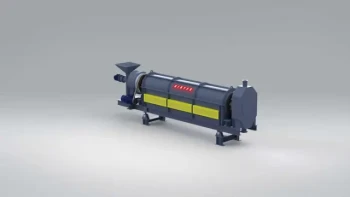
Electric Rotary Kiln Small Rotary Furnace for Activated Carbon Regeneration
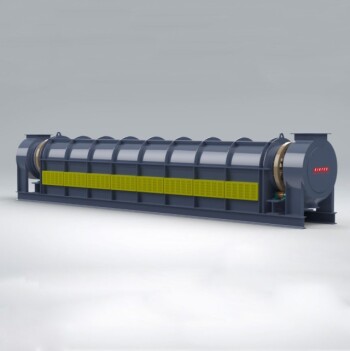
Electric Rotary Kiln Pyrolysis Furnace Plant Machine Calciner Small Rotary Kiln Rotating Furnace
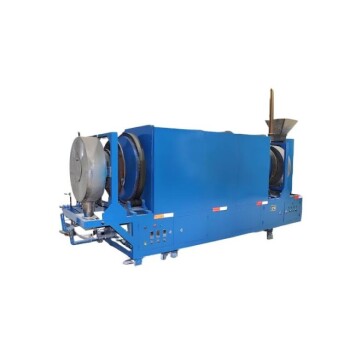
Electric Rotary Kiln Continuous Working Small Rotary Furnace Heating Pyrolysis Plant

Electric Rotary Kiln Small Rotary Furnace Biomass Pyrolysis Plant

Laboratory Vacuum Tilt Rotary Tube Furnace Rotating Tube Furnace
