All Questions
How Does Pyrolysis Machine Work? Turn Waste Into Valuable Resources With Thermal Decomposition
Learn how pyrolysis machines decompose organic waste without oxygen to produce bio-oil, bio-char, and syngas. Ideal for biomass, plastic, and tire recycling.
What Is The Particle Size Of Fast Pyrolysis? Optimize Your Bio-Oil Yield With The Right Size
Learn why a particle size under 2-3mm is critical for fast pyrolysis to maximize liquid bio-oil yield through rapid heat transfer.
How Does Particle Size Affect Pyrolysis? Control Your Product Yields With Precision
Learn how particle size governs pyrolysis efficiency, heat transfer, and final product distribution (bio-oil vs. biochar) for optimal results.
What Are The Components Of A Pyrolysis Machine? A Complete Breakdown Of The Waste-To-Energy System
Discover the 5 essential components of a pyrolysis plant: reactor, feeding, heating, condensing, and pollution control systems. Learn how they work together.
How Long Is Fast Pyrolysis? Unlock High Bio-Oil Yields In Under 2 Seconds
Fast pyrolysis completes in under 2 seconds. Learn how this rapid process maximizes liquid bio-oil yield from biomass conversion for energy applications.
What Is The Time And Temperature For Pyrolysis? Control Parameters To Target Your Desired Product
Learn how pyrolysis time and temperature settings determine product yields—biochar, bio-oil, or syngas—and how to optimize them for your specific feedstock.
What Are The Components Of A Pyrolysis Machine? A Complete Breakdown Of The Core System
Learn about the key components of a pyrolysis machine: reactor, feeding system, heating, condensation, and discharge. Essential for process control and product yield.
What Are The Uses Of Pyrolysis Machine? Turn Waste Into Fuel, Chemicals, And Soil Amendment
Discover how a pyrolysis machine transforms biomass, plastics, and tires into valuable products like bio-oil, biochar, and syngas for energy and agriculture.
What Is Pyrolysis Process For Waste? Turn Trash Into Valuable Fuel And Products
Learn how pyrolysis converts waste like plastics and tires into syngas, bio-oil, and bio-char without burning, enabling resource recovery.
What Is The Function Of A Pyrolysis Machine? Turn Waste Into Fuel, Gas, And Bio-Char
Learn how pyrolysis machines thermally decompose waste without oxygen to produce valuable resources like fuel oil, syngas, and bio-char.
Is Pyrolysis Oil Hazardous? The Critical Risks Of Handling This Reactive Fuel
Learn why pyrolysis oil is hazardous: a corrosive, carcinogenic substance with unique handling and storage risks due to its chemical instability.
Where Can We Use Pyrolysis Oil? Unlock Its Potential As A Renewable Fuel And Chemical Feedstock.
Explore the primary uses of pyrolysis oil as an industrial fuel and its advanced applications as a feedstock for biofuels and chemicals.
How Does Pyrolysis Work Without Oxygen? Transform Waste Into Valuable Products
Learn how pyrolysis uses heat without oxygen to convert biomass or waste into biochar, bio-oil, and syngas, avoiding combustion and pollution.
What Are The Waste Yields Of Pyrolysis? Turn Waste Into Value With High-Efficiency Conversion
Learn how pyrolysis converts 100% of organic feedstock into valuable biochar, bio-oil, and syngas, minimizing true waste and maximizing resource recovery.
What Are The Steps Of Pyrolysis? A Complete Guide To The 3-Phase Process
Learn the 3 key stages of pyrolysis: feedstock preparation, thermal decomposition, and product refining. Turn waste into valuable oil, gas, and char.
What Is The Purpose Of Pyrolysis Products? Transform Waste Into Valuable Bio-Oil, Bio-Char, And Syngas
Learn how pyrolysis converts biomass & waste into valuable products: bio-oil for fuel, bio-char for soil, and syngas for energy. Find the right process for your goal.
What Is Pyrolysis Plastic Recycling? A Deep Dive Into Chemical Plastic Recovery
Explore pyrolysis plastic recycling: a chemical process that converts plastic waste into fuel and feedstocks using high heat without oxygen.
What Gas Is Emitted From Pyrolysis? Understanding The Variable Syngas Composition
Pyrolysis emits a mix of gases (syngas) like H₂, CH₄, CO, and CO₂. Composition depends on feedstock and process conditions.
What Type Of Plastic Is Used In Pyrolysis? Turn Diverse Plastic Waste Into Valuable Resources
Pyrolysis handles mixed plastics, multi-layer packaging & hard-to-recycle waste. Learn how to convert it into oil, gas, and char efficiently.
Does Pyrolysis Generate Energy? Unlock The Potential Of Waste-To-Energy Conversion
Learn how pyrolysis converts biomass and waste into valuable fuels like syngas, bio-oil, and bio-char for a net energy gain.
What Are The Process Conditions During Fast Pyrolysis? Maximize Bio-Oil Yield With Precise Control
Learn the key conditions for fast pyrolysis: ~500°C temperature, high heating rates, and short vapor residence time to maximize bio-oil production from biomass.
What Is The Process Description Of Pyrolysis? Unlock The Potential Of Waste-To-Energy Conversion
Learn how pyrolysis thermally decomposes organic materials without oxygen to produce biochar, bio-oil, and syngas. A complete guide to the process and its control.
What Are The End Products Of The Plastic Pyrolysis? Transform Waste Into Valuable Fuels & Chemicals
Plastic pyrolysis produces pyrolysis oil, gas, and carbon char. Learn how to turn plastic waste into valuable fuels and chemical feedstocks.
How Do You Purify Pyrolysis Oil? A Guide To Transforming Bio-Crude Into Usable Fuel
Learn the multi-stage process of pyrolysis oil purification, from filtration to hydrotreating, to improve stability and energy density for fuel applications.
What Are The Conditions For Pyrolysis Of Plastic? Key Parameters For Converting Waste Into Fuel
Learn the essential conditions for plastic pyrolysis: high temperature, an oxygen-free environment, and controlled pressure to produce oil, gas, and char.
What Is The Conversion Of Plastic To Fuel By Pyrolysis? A Complete Guide To Waste-To-Energy Technology
Learn how plastic pyrolysis converts waste into fuel. Discover the step-by-step process, its advantages for waste management, and key considerations.
What Is The Process Of A Plastic Pyrolysis Plant? A Complete Guide To Converting Waste Plastic Into Fuel
Learn how a plastic pyrolysis plant works, from feedstock preparation to producing pyrolysis oil, syngas, and carbon black in an oxygen-free reactor.
What Are The Products Of The Pyrolysis Of Plastic? Unlock Fuel, Gas, And Char From Waste
Plastic pyrolysis transforms waste into three main products: pyrolysis oil, combustible gas, and solid char. Learn about their uses and yields.
How Can We Convert Plastic Waste Into Useful Products? Explore Mechanical Vs. Chemical Recycling
Learn how mechanical and chemical recycling convert plastic waste into new products, from pellets to fuels, and understand the trade-offs between methods.
What Is The Purpose Of Plastic Pyrolysis? Convert Waste Plastic Into Valuable Resources
Learn how plastic pyrolysis turns non-recyclable waste into pyrolysis oil, fuel, and chemicals, enabling a circular economy and reducing landfill use.
How Does A Pyrolysis Plant Work? Converting Waste Into Valuable Resources With Thermal Decomposition
Learn how pyrolysis plants use heat without oxygen to break down waste like plastic and tires into fuel oil, syngas, and bio-char.
Does Pyrolysis Cause Pollution? How To Leverage It For Clean Energy And Waste Reduction
Explore how pyrolysis can be a clean process for waste-to-energy conversion and carbon sequestration, or a source of pollution if mismanaged.
What Are The Objectives Of Plastic Pyrolysis? Transforming Waste Into Valuable Resources
Discover the key goals of plastic pyrolysis: converting non-recyclable plastic waste into fuel, energy, and chemical feedstocks for a circular economy.
What Are The Products Of Plastic Pyrolysis? A Guide To Oil, Gas, And Char Outputs
Learn about the three main products of plastic pyrolysis: pyrolysis oil, syngas, and char. Discover how process conditions control the final product slate.
Is Plastic Pyrolysis Energy Efficient? Achieve A Positive Net Energy Balance With Smart Design
Explore the energy efficiency of plastic pyrolysis, including key factors like feedstock quality, heat integration, and process design for a net energy gain.
What Are The Negative Effects Of Plastic Pyrolysis? The Hidden Environmental And Health Risks
Learn the environmental and health risks of plastic pyrolysis, including toxic oil, hazardous gas, and solid waste byproducts.
Is Pyrolysis A Green Process? Unlocking Sustainable Waste-To-Energy Solutions
Explore how pyrolysis transforms waste into renewable energy and biochar for carbon-neutral solutions. Learn key benefits and implementation factors.
What Is The Temperature And Time For Slow Pyrolysis? Optimize Your Biochar Production Process
Learn the key slow pyrolysis parameters: heating rate (1-30°C/min), temperature (300-600°C), and time for maximum biochar yield.
What Is The Temperature Of Sewage Sludge Pyrolysis? Optimize Biochar, Bio-Oil, Or Syngas Yield
Sewage sludge pyrolysis operates between 400-900°C. The temperature chosen dictates product yield: biochar, bio-oil, or syngas. Learn how to select the optimal range.
What Is The Purpose Of Pyrolysis? Transforming Waste Into Valuable Energy And Materials
Discover how pyrolysis converts biomass into biochar, bio-oil, and syngas without burning, creating sustainable energy and valuable products.
What Is The Return On Investment For Biochar? Unlock True Value From Carbon Credits & Soil Health
Learn how to calculate biochar ROI, including carbon credit revenue, reduced farm inputs, and increased yields. Go beyond simple sales margins.
What Is The Process Of Pyrolysis Waste Management? Turn Waste Into Valuable Resources
Learn how pyrolysis transforms waste like plastics and tires into bio-oil, bio-char, and syngas for resource recovery and landfill diversion.
What Is The Size Of A Pyrolysis Plant? A Guide To Matching Capacity With Your Needs
Pyrolysis plant size is defined by capacity (tons/day), not just physical dimensions. Learn how feedstock, batch vs. continuous operation, and your goals determine the right scale.
How Do You Start A Pyrolysis Plant? A Step-By-Step Guide To Launching Your Waste-To-Energy Facility
Learn the essential steps to start a pyrolysis plant, from feasibility studies and feedstock sourcing to regulatory compliance and plant design.
What Are The Products Of Pyrolysis Of Rubber? Transforming Waste Into Valuable Resources
Discover the three main products of rubber pyrolysis: carbon char, liquid oil, and syngas, and their industrial applications.
How Much Energy Does A Pyrolysis Plant Consume? Achieve Net Energy Producer Status
Discover how pyrolysis plants can be self-sustaining by using syngas for energy. Learn key factors like feedstock moisture and temperature control.
What Is Fast Pyrolysis Of Plastic Waste? Transform Waste Plastic Into Valuable Oil
Learn how fast pyrolysis recycles plastic waste into pyrolysis oil for fuel and chemicals using rapid, oxygen-free heating. Ideal for mixed plastics.
What Is The Purpose Of Pyrolysis Plant? Convert Waste Into Valuable Resources
Learn how pyrolysis plants transform waste plastics, tires, and biomass into fuel oil, carbon black, and syngas through oxygen-free thermal decomposition.
What Energy Product Is Produced By Pyrolysis? Biochar, Bio-Oil, And Syngas Explained
Pyrolysis converts biomass & waste into three main energy products: solid biochar, liquid bio-oil, and gaseous syngas. Learn how process conditions affect the output.
What Are The Benefits Of Pyrolysis Plastic? Transform Waste Into Fuel & New Materials
Discover how plastic pyrolysis converts non-recyclable waste into valuable oil, gas, and carbon black, enabling a circular economy and reducing landfill use.
What Is A Small Pilot Scale Pyrolysis Reactor? Your Guide To Choosing The Right Reactor Design
Learn about small pilot scale pyrolysis reactors: batch, fixed-bed, rotary-kiln, and tubular designs for testing bio-oil, biochar, and syngas production.
What Are The Byproducts Of The Pyrolysis Plant? Turn Waste Into Bio-Oil, Bio-Char & Syngas
Discover the 3 main byproducts of pyrolysis plants: bio-oil, bio-char, and syngas. Learn how this process converts waste into valuable resources for energy and agriculture.
What Are The Different Types Of Pyrolysis Plants? Choose The Right Process For Your Output Goal
Compare slow vs. fast pyrolysis plants: key differences in speed, output (biochar vs. bio-oil), and applications for your specific needs.
What Plastics Can Be Used In Pyrolysis? A Guide To Ideal Feedstocks For Waste-To-Energy
Learn which plastics are ideal for pyrolysis, including mixed, contaminated, and multi-layer packaging, to convert waste into valuable fuel and chemicals.
How Long Does Plastic Pyrolysis Take? From Minutes To Days, It Depends On Your System
Plastic pyrolysis duration varies from minutes to 24+ hours, influenced by reactor type (batch vs. continuous), feedstock, and temperature.
What Are The Different Temperatures Of Pyrolysis? A Guide To Optimizing Biochar, Bio-Oil, And Syngas Production
Learn how pyrolysis temperature (400°C-900°C) controls product yield: biochar (low), bio-oil (medium), or syngas (high). Optimize your process.
What Is The Temperature Range For Fast Pyrolysis? Optimize Bio-Oil Yield From Biomass
Fast pyrolysis occurs at 450-650°C (840-1200°F) to maximize liquid bio-oil yield. Learn how temperature, heating rate, and residence time affect your product.
What Is Pyrolysis Characteristics? Unlocking Waste-To-Energy Potential
Explore pyrolysis characteristics: a thermochemical process converting waste into bio-oil, biochar, and syngas. Learn benefits, challenges, and applications.
What Is The Rate Of Fast Pyrolysis? Maximizing Bio-Oil Yield With Controlled Thermal Shock
Learn how fast pyrolysis uses high heating rates & short vapor residence times (<2 sec) to convert biomass into liquid bio-oil efficiently.
What Is The Composition Of Pyrolysis Fuel Oil? A Deep Dive Into Its Complex Biomass-Derived Makeup
Explore the composition of pyrolysis oil: a complex emulsion of oxygenated organics, water, and polymers derived from biomass, with key properties and challenges.
What Are The Advantages Of Pyrolysis Of Plastic Waste? Turn Waste Into Valuable Resources
Discover how pyrolysis converts plastic waste into fuel, chemicals, and energy, reducing landfill use and creating a circular economy.
What Kind Of Plastics Can Be Used For Pyrolysis? Turning Waste Plastics Into Valuable Resources
Discover which plastics are ideal for pyrolysis, including PE, PP, and PS, and how to handle challenging materials like PVC and PET for efficient recycling.
What Are The Three Products Of The Pyrolysis Of Biomass? A Guide To Biochar, Bio-Oil, And Syngas
Learn about the three main products of biomass pyrolysis: solid biochar, liquid bio-oil, and gaseous syngas, and how process conditions affect their yields.
Which Is The Most Important Disadvantage Of Biomass Pyrolysis? The Problem Of Poor-Quality Bio-Oil
Explore the main disadvantage of biomass pyrolysis: the poor quality of bio-oil, which is corrosive, unstable, and requires costly upgrading.
What Is The Advantage Of Pyrolysis? Transforming Waste Into High-Value Biofuels And Biochar
Discover how pyrolysis converts biomass and plastic waste into valuable bio-oil, biochar, and syngas, reducing landfill use and creating renewable energy.
What Is The Disposal Of Solid Waste By Pyrolysis? A Waste-To-Wealth Transformation Guide
Learn how pyrolysis converts solid waste like plastics and biomass into valuable bio-oil, syngas, and bio-char, reducing landfill use and recovering resources.
Does Pyrolysis Contribute To Greenhouse Gases? A Key Strategy For Net-Zero Emissions
Learn how pyrolysis reduces greenhouse gases by converting waste into stable carbon and clean fuels, preventing methane emissions and sequestering carbon.
Does Pyrolysis Produce Liquid Fuel? Yes, It Creates Bio-Oil From Biomass And Waste.
Learn how pyrolysis converts biomass and plastic into liquid bio-oil, a key renewable fuel, and the factors affecting its yield and quality.
Does Pyrolysis Produce Biofuel? A Guide To Converting Biomass Into Renewable Energy
Learn how pyrolysis transforms biomass into biofuels like bio-oil and syngas, plus valuable co-products like biochar for a sustainable energy solution.
How Does Biomass Break Down During Pyrolysis? A Guide To Controlled Thermal Decomposition
Learn how biomass breaks down without oxygen to produce bio-oil, biochar, and syngas. Master temperature and heating rate control for your desired output.
Does Pyrolysis Of Plastic Produce Co2? Unpacking The Emissions Of A Circular Technology
Learn how plastic pyrolysis minimizes direct CO2 vs. incineration, and how the process manages carbon through fuel displacement and sequestration.
What Happens To Plastic After Pyrolysis? Discover How To Turn Waste Into Fuel And Chemicals
Learn how plastic pyrolysis converts waste into valuable oil, gas, and char. Explore output yields, applications, and key factors for success.
Is Plastic Pyrolysis Effective? A Balanced Look At Converting Waste Into Resources
Explore the effectiveness of plastic pyrolysis: a technology for converting waste plastic into oil, gas, and char, with key benefits and limitations.
What Are The Two Types Of Carbon Residue Produced By Pyrolysis? Amorphous Char Vs. Structured Nanotubes
Learn the difference between amorphous carbon (char) and structured carbon (nanotubes) from pyrolysis, based on feedstock and process conditions.
Which Type Of Plastic Is Best For Pyrolysis? Unlock High-Yield Oil From Polyolefins
Discover why Polyethylene (PE) and Polypropylene (PP) are the top plastics for pyrolysis, yielding high-quality oil, while PVC and PET pose major challenges.
Why Choose Pyrolysis? Turn Waste Into Valuable Resources With Advanced Thermal Conversion
Discover how pyrolysis transforms organic waste into biofuels and chemicals, offering a sustainable alternative to landfills and supporting a circular economy.
What Is Carbon Pyrolysis? Unlock Energy And Products From Waste Materials
Carbon pyrolysis heats waste without oxygen to produce biochar, bio-oil, and syngas. Learn how it transforms waste into valuable resources.
Why Is Co-Pyrolysis Important? Unlock Synergistic Waste Conversion For Higher-Value Fuels
Discover how co-pyrolysis improves bio-oil quality, increases product yields, and enables efficient conversion of mixed waste streams like biomass and plastic.
What Is The Process Of Co-Pyrolysis? Unlock Synergistic Benefits For Better Bio-Oil & Bio-Char
Learn how co-pyrolysis combines feedstocks like biomass & plastic to enhance product quality, stability, and process efficiency through synergistic reactions.
What Is The Co-Pyrolysis Method? A Strategic Approach To Waste Valorization & Bio-Oil Upgrading
Learn how co-pyrolysis blends different feedstocks like biomass & plastic to create synergistic effects, improving bio-oil quality and enabling flexible waste management.
What Are The Advantages Of Co-Pyrolysis? Unlock Superior Bio-Oil & Synergistic Waste Conversion
Discover how co-pyrolysis creates synergistic effects to improve bio-oil quality, increase yield, and enable flexible, efficient waste-to-energy conversion.
How Is Pyrolysis Environmentally Friendly? A Sustainable Solution For Waste & Carbon Reduction
Discover how pyrolysis transforms waste into energy, reduces emissions, and sequesters carbon with biochar. A key to a circular economy.
What Are The Benefits Of Pyrolysis To The Environment? Turning Waste Into A Resource For A Sustainable Future
Discover how pyrolysis reduces landfill waste, generates renewable energy, and sequesters carbon, offering a powerful solution for environmental sustainability.
What Is The Output Of The Pyrolysis Plant? A Flexible Process For Biochar, Bio-Oil, And Syngas
Pyrolysis plant outputs—biochar, bio-oil, and syngas—vary based on feedstock and temperature. Learn how to tailor the process for your goals.
What Are Waste To Energy Pyrolysis Plants? Convert Non-Recyclable Waste Into Valuable Energy
Learn how pyrolysis plants thermally decompose waste like plastics and tires into syngas, oil, and char in an oxygen-free environment for energy recovery.
What Are The Products Of Pyrolysis Waste? Turn Waste Into Bio-Char, Bio-Oil, And Syngas
Learn how pyrolysis transforms waste into valuable bio-char, bio-oil, and syngas for energy, agriculture, and chemical feedstocks.
How Does Pyrolysis Plant Work? Turning Waste Into Valuable Resources
Learn how pyrolysis plants use heat without oxygen to convert waste like plastic and tires into fuel, gas, and bio-char. A complete guide to the process.
What Is The Difference Between Batch And Continuous Pyrolysis? Choose The Right System For Your Scale
Learn the key differences between batch and continuous pyrolysis systems to select the best technology for your operational scale and feedstock.
What Is The Process Of Pyrolysis? Transform Waste Into Energy And Valuable Products
Learn how pyrolysis works: thermochemical decomposition without oxygen to convert waste into syngas, bio-oil, and bio-char for energy and materials.
What Is The Industrial Process Of Pyrolysis? Turn Waste Into Valuable Resources
Discover how industrial pyrolysis converts waste like plastic & biomass into fuel, oil, and char using high heat without oxygen.
What Is The Limitations Of Pyrolysis? Key Economic And Technical Challenges To Consider
Explore the major limitations of pyrolysis, including high capital costs, energy consumption, and complex product purification requirements.
Is Pyrolysis Self Sufficient? How To Achieve Energy-Positive Waste Conversion
Learn how pyrolysis systems can achieve energy self-sufficiency through smart design and feedstock selection. Discover the key factors for a net-positive energy balance.
What Are The Outputs Of Pyrolysis? Unlocking The Solid, Liquid, And Gas Products From Thermal Decomposition
Learn about the three main pyrolysis outputs: biochar, bio-oil, and syngas. Understand how process conditions control the yield of each valuable product.
Can You Use Pyrolysis On Plastic? Unlock The Potential Of Chemical Recycling
Learn how pyrolysis converts plastic waste into oil, gas, and char. Discover which plastics are suitable and the key benefits of this advanced recycling method.
What Type Of Plastic Is Best For Pyrolysis? Maximize Oil Yield And Quality With Polyolefins
Discover why Polyethylene (PE) and Polypropylene (PP) are the best plastics for pyrolysis, offering high-quality oil yield and fewer contaminants.
What Is The Pyrolysis Method For Plastic Waste? Convert Non-Recyclable Plastics Into Fuel
Learn how plastic pyrolysis transforms waste into fuel. A step-by-step guide to chemical recycling for mixed & contaminated plastics.
What Is The Effect Of Calcination? Unlock Material Transformation For Industrial Processes
Learn how calcination purifies solids, removes volatiles, and induces phase transitions for cement, metals, and ceramics production.
What Is The Temperature Of Calcination? The Key To Precise Thermal Decomposition
Calcination temperature is material-specific, typically 800°C-1300°C. Learn how to select the right range for purity, efficiency, and performance.
What Is The Industrial Application Of Calcination? Transforming Raw Materials For Manufacturing
Explore calcination's key industrial uses: cement production, metal extraction, and material purification via high-temperature thermal processing.
What Are The Uses Of Calcination Process? A Guide To Material Transformation
Learn how calcination is used in cement production, metal extraction, and catalyst activation through controlled thermal decomposition.
Related Products
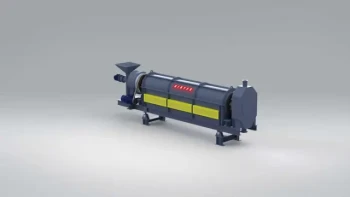
Electric Rotary Kiln Small Rotary Furnace for Activated Carbon Regeneration

Electric Rotary Kiln Pyrolysis Furnace Plant Machine Calciner Small Rotary Kiln Rotating Furnace

Electric Rotary Kiln Continuous Working Small Rotary Furnace Heating Pyrolysis Plant

Electric Rotary Kiln Small Rotary Furnace Biomass Pyrolysis Plant

Laboratory Vacuum Tilt Rotary Tube Furnace Rotating Tube Furnace
