All Questions
What Is The Function Of A Laboratory Induction Melting Furnace? Achieving Cantor Alloy Uniformity Via Magnetic Stirring
Learn how laboratory induction melting furnaces ensure homogeneity in CrMnFeCoNi high-entropy alloys through electromagnetic magnetic stirring.
Why Must The Argon Pressure Be Maintained At A Minimum Of 0.3 Atm In A Vacuum Arc Furnace? Secure Your Afa Steel Quality
Learn why 0.3 atm argon pressure is critical in vacuum arc furnaces to prevent chromium evaporation and ensure the chemical integrity of AFA steel.
What Is The Function Of A Vacuum Induction Arc Furnace In Afa Steel? Optimize Your High-Performance Alloy Synthesis
Learn how vacuum induction arc furnaces ensure chemical homogeneity and prevent oxidation in Alumina-Forming Austenitic (AFA) steel production.
Why Is A High-Frequency Induction Heater Preferred Over A Resistance Furnace? Optimize Hydrogen Solubility Research
Learn why high-frequency induction heating is superior for measuring hydrogen solubility in aluminum via the Sieverts method using active stirring.
What Core Role Does A Vacuum Induction Melting Furnace Play In Nickel-Free Steel Production? Achieve High-Purity Alloys
Learn how VIM furnaces enable precise synthesis of nickel-free stainless steel through oxygen control, homogeneity, and impurity removal.
What Process Safeguards Do Induction Melting Furnaces Provide When Preparing Magnetic Alkali Borosilicate Glass?
Learn how induction melting furnaces use electromagnetic stirring to prevent component segregation and ensure uniform magnetic glass production.
What Is The Function Of Vacuum Induction Melting? Precision Preparation For Ni–20Cr–5Al Model Alloys
Learn how vacuum induction melting ensures chemical purity, prevents oxidation, and creates uniform Ni–20Cr–5Al alloys for high-stakes research.
What Roles Do Vacuum Induction Furnaces And High-Purity Graphite Crucibles Play In Mg-2Ag Alloy Melting? Master Purity.
Learn how vacuum induction furnaces and graphite crucibles ensure uniform fusion and prevent contamination in Magnesium-Silver alloy synthesis.
What Are The Reasons For Injecting Argon Gas Into A Vacuum Melting Furnace? Enhance Cooling & Protect Metal Purity
Learn how argon gas accelerates cooling and prevents oxidation in vacuum melting furnaces to improve production cycles and material integrity.
What Core Role Does A Vacuum Induction Melting Furnace Play In Magnesium Recovery? Unlock High-Purity Metal Distillation
Learn how vacuum induction melting furnaces use high vacuum and induction heating to efficiently recover high-purity magnesium from slag.
Why Are High-Temperature Melting Furnaces And Platinum Crucibles Used In Xrf For Magnesium Slag? Achieve Peak Precision
Learn how high-temperature fusion and platinum crucibles eliminate mineral effects and grain size variables for accurate XRF analysis of slag.
What Is The Primary Function Of A Vacuum Arc Melting Furnace In Rhea Preparation? Achieving Extreme Thermal Fusion
Learn how vacuum arc melting furnaces enable the fusion of refractory metals like W and Ta to create homogeneous high-entropy alloys (RHEAs).
What Are The Technical Advantages Of Using A Vacuum Induction Melting (Vim) Furnace? Superior Purity & Metal Integrity
Explore the benefits of VIM furnaces: eliminate oxide defects, enhance stress corrosion resistance, and achieve precise alloy homogeneity.
What Is The Primary Function Of An Induction Melting Furnace? Achieving Homogeneity In Fe-Cr-Ni Alloys
Learn how induction melting furnaces use electromagnetic stirring to ensure chemical homogeneity and purity in Fe-Cr-Ni heat-resistant alloys.
What Is The Function Of An Induction Melting Furnace In Fecral Alloy Preparation? Ensure Precision And Purity
Learn how induction melting furnaces provide the homogenization and clean environment essential for high-quality FeCrAl alloy sheet production.
What Is The Primary Purpose Of Using A Vacuum Induction Furnace For Afa Steel? Ensure Alloy Integrity & Purity
Learn how vacuum induction furnaces protect aluminum and chromium in AFA steel through oxidation prevention and electromagnetic stirring.
What Is The Function Of Vim In Ni–Ti Alloy Melting? Ensure Chemical Purity And Prevent Oxidation
Learn how Vacuum Induction Melting (VIM) provides the critical, oxide-free foundation for Ni–Ti shape memory alloys via precise composition control.
Why Use Vacuum Induction Melting And Water Atomization For Cu-Re Powders? Achieve Purity And High Density.
Learn how combining VIM and water atomization preserves rare earth purity and enhances sintering densification for Cu-Re alloys.
What Are The Process Advantages Of Using Vacuum Induction Melting Equipment When Preparing Fe-Cr-Zr Ferritic Alloys?
Learn how Vacuum Induction Melting (VIM) ensures chemical homogeneity and prevents zirconium oxidation in Fe-Cr-Zr alloy preparation.
What Is The Primary Function Of A Vacuum Induction Furnace In Hsla Steel? Master Purity For High-Performance Alloys
Learn how vacuum induction furnaces ensure HSLA steel purity by eliminating atmospheric gases, reducing inclusions, and protecting active elements.
What Is The Function Of Vacuum Arc Melting Equipment? Creating High-Purity Ferrochrome (Crfe) Alloys
Learn how vacuum arc melting ensures homogeneity, prevents oxidative loss, and produces high-purity CrFe binary alloys for precise research.
Why Is Precise Temperature Maintenance In A Vacuum Melting Furnace Critical For Magnesium? Taming Material Volatility
Learn why precise thermal control in vacuum melting furnaces is vital for magnesium alloys to prevent evaporation, segregation, and brittle phases.
How Does A Vacuum Resistance Melting Furnace Prevent Magnesium Oxidation? Protect Am60 Alloy Purity
Learn how vacuum resistance melting furnaces use deep vacuum and argon backfilling to prevent oxidation and inclusions in AM60 magnesium alloys.
What Is The Primary Function Of An Induction Furnace In Al-Fe-Ni Alloy Melting? Achieve Unmatched Chemical Homogeneity
Learn how induction furnaces use electromagnetic stirring to ensure uniform distribution of Iron and Nickel in Aluminum alloys at 1000ºC.
What Are The Technical Advantages Of Using An Induction Melting Furnace? Precision For Nickel-Based Superalloys
Learn how induction melting ensures chemical homogeneity, purity, and efficiency in producing high-performance nickel-based superalloys.
Why Use Vacuum Melting For Cocrptb Alloys? Essential Pressure Control For High-Performance Magnetic Materials
Learn why a low-pressure vacuum environment is vital for CoCrPtB alloy production to prevent oxidation and ensure precise chemical stoichiometry.
What Is The Function Of A High-Frequency Induction Furnace In Nisi Production? Achieving Chemical Homogeneity
Discover how high-frequency induction furnaces enable rapid melting and electromagnetic stirring to produce uniform NiSi master alloy ingots.
What Technical Advantages Does A Vacuum Induction Melting Furnace Offer? Achieve High-Purity Steel Composites
Learn how VIM furnaces provide superior purity and nanoparticle homogeneity in cast steel composites through vacuum control and induction stirring.
What Is The Primary Function Of An Induction Melting Furnace In Cr-Ni Steel R&D? Achieving Alloy Homogenization
Learn how induction melting furnaces use electromagnetic stirring to ensure uniform Cr-Ni steel composition and eliminate macrosegregation in R&D.
Why Is A Vacuum Induction Melting Furnace Required For Pt/Pd Alloy Catalysts? Ensure Purity And Precision
Discover why VIM furnaces are essential for Pt/Pd catalysts, providing high-vacuum purity and electromagnetic stirring for atomic homogeneity.
What Is The Importance Of An Induction Melting Furnace In Tini Alloy Preparation? Master Precision & Superelasticity
Learn why induction melting is essential for TiNi alloys, ensuring precise composition, homogeneity, and high purity for medical implants.
What Is The Primary Function Of A Vacuum Induction Melting Furnace? Achieving Pure Cu-Si Alloy Synthesis
Learn how Vacuum Induction Melting (VIM) furnaces ensure high-purity, homogeneous Cu-Si pre-alloy ingots through oxidation prevention and stirring.
What Is The Function Of A Vacuum Induction Melting Furnace In Almgzn Alloys? Achieve High-Purity Synthesis
Learn how VIM furnaces prevent oxidation, degas hydrogen, and ensure homogeneity in AlMgZn cross-over alloys through vacuum environment control.
What Is The Primary Function Of An Induction Furnace In Smelting Super Duplex Steel? Achieve Perfect Chemical Homogeneity
Learn how induction furnaces use electromagnetic heating to ensure uniform melting and alloying of niobium-stabilized super duplex stainless steel.
What Are The Common Applications Of A Vacuum Induction Melting Furnace? Produce High-Purity Metals For Demanding Industries
Discover how vacuum induction melting (VIM) furnaces are used in aerospace, nuclear, and specialty steel industries to create ultra-pure, high-performance alloys.
How Does A Vacuum Induction Melting Furnace Affect Compositional Consistency? Achieve Unparalleled Metal Uniformity
Discover how vacuum induction melting (VIM) ensures superior compositional consistency in metals through precise environmental control and electromagnetic stirring.
What Is The Primary Advantage Of The Vacuum Environment In This Type Of Furnace? Achieve Oxidation-Free Precision
Discover how vacuum furnaces prevent oxidation, ensure material purity, and deliver superior metallurgical results with precise temperature control.
How Is Temperature Controlled Within A Vacuum Induction Melting Furnace? Mastering Precision For Advanced Alloys
Learn how PID controllers, thermocouples, and induction heating work together for precise temperature control in vacuum induction melting (VIM) furnaces.
What Are The Main Systems That Comprise A Vacuum Induction Melting Furnace? A Guide To The 5 Core Components
Learn about the 5 key systems of a VIM furnace: furnace body, power supply, vacuum, cooling, and control. Essential for high-purity metal melting.
What Are The Key Components Inside The Vacuum Chamber Of A Vacuum Induction Melting Furnace? A Guide To The Core Melting Assembly
Explore the key components inside a VIM furnace: induction coil, crucible, tilting mechanism, and more. Learn how they work together for high-purity metal processing.
What Principle Is Used To Generate Heat In A Vacuum Induction Melting Furnace? Achieve Clean, Efficient Metal Melting
Discover how electromagnetic induction generates internal heat for clean, efficient metal melting in a vacuum induction furnace, ideal for high-purity alloys.
What Types Of Metals Are Typically Processed In A Vacuum Induction Melting Furnace? High-Purity Alloys For Critical Applications
Discover the key metals processed in VIM furnaces, including superalloys, reactive metals, and specialty steels, for superior purity and performance.
What Is The Primary Function Of A Vacuum Induction Melting Furnace? Melt High-Purity Metals With Precision
Discover how vacuum induction melting (VIM) furnaces create ultra-pure alloys by melting in a vacuum, preventing contamination for superior material performance.
What Advanced Systems Are Integrated Into A Vidp Furnace? Achieve Superior Metal Purity And Smelting Efficiency
Discover how PLC control, electromagnetic stirring, and advanced safety systems in a VIDP furnace enhance metal purity, homogeneity, and production efficiency.
What Are The Structural Advantages Of A Vidp Furnace? Achieve High-Purity Melting With Superior Efficiency
Discover how the compact, intelligent design of a VIDP furnace enables faster cycle times, lower energy use, and superior metallurgical quality for high-purity alloys.
How Does The Pouring Mechanism Of A Vacuum Induction Degassing Pouring (Vidp) Furnace Operate? Unlock The Secret To High-Purity Metal Production
Learn how the VIDP furnace's sealed tilting system prevents contamination during pouring, enabling large-scale production of ultra-pure metals.
How Is The Vidp Furnace Designed To Improve Production Efficiency? Maximize Uptime For Large-Scale Metal Production
Discover how the VIDP furnace's compact crucible-chamber design and modular components slash pump-down times and crucible changeovers for superior efficiency.
What Is Sintering In Induction Furnace? Mastering The Thermal Process For Durable Materials
Learn how sintering in induction furnaces transforms powders into solid parts and cures linings. Understand temperature control, atmosphere, and key applications.
What Is The Temperature Of The Induction Furnace? Unlocking The Right Heat For Your Process
Induction furnace temperatures range from 800°C to over 2000°C. Learn how to match the right temperature to your application, from hardening to melting alloys.
How Do You Use An Induction Heater? A 3-Step Guide To Safe, Targeted Heating
Learn the proper steps to use an induction heater for safely breaking seized components. Our guide covers coil selection, positioning, and strategic heat application.
How To Control The Heat Of An Induction Heater? Master Power, Frequency & Duty Cycle
Learn the 3 key methods to precisely control induction heating: adjusting power, frequency, and duty cycle for optimal results in your application.
What Materials Does Induction Heating Work On? A Guide To Conductive Metals And Alloys
Discover which materials work with induction heating, from ferromagnetic metals like steel to non-magnetic conductors like aluminum and copper.
What Material Is Used For Induction? A Guide To Magnetic Cookware For Your Cooktop
Learn which cookware materials like cast iron and magnetic stainless steel work with induction, and why aluminum and copper fail the magnet test.
How To Calculate Power Consumption In An Induction Furnace? Accurately Estimate Your Energy Needs
Learn the simple formula to calculate induction furnace power consumption (kW) based on production rate and material-specific energy use.
How Hot Can An Induction Furnace Get? The Truth About Extreme Temperature Limits
Discover the practical vs. theoretical temperature limits of induction furnaces, from standard 1800°C to specialized 2000°C+ vacuum systems.
How Long Do Induction Furnaces Last? A Guide To Maximizing Your Furnace's Lifespan
Learn about induction furnace lifespan, from the 20-30 year structure to key component lifecycles, and how to optimize performance.
How Hot Can An Induction Heater Get? Achieve Up To 3000°C For Precise Industrial Heating
Learn how induction heaters can reach 3000°C for metal melting and material science applications. Discover factors affecting temperature limits and system capabilities.
How Hot Does A Magnetic Induction Heater Get? Achieve Precise Temperatures From 100°C To 3000°C
Discover how induction heaters generate precise heat from 100°C to 3000°C directly within conductive materials, enabling superior process control and efficiency.
How Hot Does An Induction Furnace Get? Discover The Limits And Capabilities Of Induction Heating
Induction furnaces can reach over 2000°C. Learn how crucible materials and vacuum environments determine the practical temperature limits for your application.
Does Induction Create Heat? Discover The Efficient Physics Of Direct Internal Heating
Induction heating uses magnetism to generate heat directly inside materials via eddy currents and Joule heating. Learn how it works and its applications.
Is Induction Heat Instant? Discover The Secret To Lightning-Fast Cooking
Learn how induction heating works instantly by generating heat directly in cookware, offering unparalleled speed and precise temperature control.
How Many Watts Does An Induction Furnace Use? Focus On Energy Efficiency For Lower Costs
Learn why induction furnace energy use is measured in kWh per tonne, not watts, and how to choose a furnace for optimal efficiency and cost.
How Do You Calculate The Power Consumption Of An Induction Furnace? Optimize Your Melting Process
Learn to calculate induction furnace power needs using production rate and material-specific energy. Avoid common pitfalls for accurate planning.
How To Calculate Induction Heating Power? A Guide To Accurate System Sizing
Learn the step-by-step method to calculate induction heating power, including thermal energy needs, heat losses, and system efficiency for optimal results.
Does Induction Heating Work On Graphite? Achieve High-Temperature Precision And Efficiency
Discover why graphite is an ideal material for induction heating, offering high-temperature stability, thermal shock resistance, and energy efficiency.
How Fast Is Induction Heating? Achieve Near-Instantaneous Heating For Metals
Discover why induction heating is so fast, how it works, and its key applications for rapid metal processing and hardening.
What Is The Temperature Range Of Induction Heating? From Gentle Warming To Extreme Melting
Discover the vast temperature range of induction heating, from below 250°C to over 1800°C, and how it provides speed and precision for your process.
What Is The Efficiency Of Inductive Heating? Achieve 85% Energy Efficiency With Direct Heating
Discover why induction heating is up to 85% efficient, offering faster heating and lower energy waste compared to gas or electric stoves.
Is Induction Heating More Efficient Than Resistive Heating? Achieve 90%+ Thermal Efficiency For Your Process
Discover why induction heating is more efficient than resistive heating, with direct energy transfer, minimal thermal loss, and rapid, precise heating.
What Is The Difference Between Resistance Heating And Induction Heating? Choose The Right Method For Your Needs
Discover the key differences between resistance and induction heating, including efficiency, speed, and material compatibility, to optimize your thermal process.
Is Induction Heating More Efficient Than Resistance? Unlock Up To 50% Greater Energy Savings.
Discover why induction heating is fundamentally more efficient than resistance heating, offering direct energy transfer and faster processing.
What Are The Three Main Components Of An Induction Heating System? Power Supply, Coil, And Workpiece Explained
Discover the three core components of an induction heating system: power supply, induction coil, and workpiece. Learn how they work together for efficient, contactless heating.
What Are The Important Factors To Consider In Induction Heating? Master Material, Coil, And Power Supply
Learn the key factors for effective induction heating: material properties, coil design, and power supply settings for precise, efficient results.
What Does Induction Heating Depend On? Master The 4 Key Factors For Precision Heating
Learn how material properties, frequency, coil design, and coupling efficiency control induction heating for precise, repeatable results in your process.
What Are The Disadvantages Of Induction Heating? High Cost & Geometric Limits Explained
Explore the key drawbacks of induction heating, including high initial cost, geometric sensitivity, and limited penetration depth, to make an informed decision.
What Is The Purpose Of An Induction Furnace? Achieve Clean, Efficient Metal Melting
Discover how induction furnaces use electromagnetic induction for precise, clean, and energy-efficient metal melting, ensuring high-quality, homogenous alloys.
What Type Of Furnace Is Used For Smelting? Choose The Right Technology For Your Metal
Discover the best furnace for smelting—blast, electric arc, or induction—based on your metal, production scale, and purity requirements.
What Is The Raw Material Of Induction Furnace? Metal, Refractory Lining, And More
Discover the primary raw materials for induction furnaces, including the metal charge and the advanced refractory materials used in furnace construction.
What Is The Neutral Lining Of The Induction Furnace? Achieve Versatile, Contamination-Free Melting
Learn how a neutral induction furnace lining, made of materials like alumina, prevents chemical reactions with slags for versatile, pure metal melting.
What Is Lining In An Induction Furnace? The Critical Refractory Protecting Your Melt
Learn about induction furnace lining: its role as a protective barrier, material types (acidic/basic), and how it ensures safety and metallurgical purity.
What Is The Structure Of An Induction Furnace? A Guide To Its Core Components And Design
Learn about the key components of an induction furnace: the power supply, water-cooled coil, refractory crucible, and control system for efficient metal melting.
What Are The Materials For Acid Lining And Basic Lining In Electric Induction Furnace? Choose The Right Refractory For Your Melt
Learn the key materials for induction furnace linings: silica for acid, magnesia for basic, and alumina for neutral. Match your lining to your metal chemistry.
What Are The Disadvantages Of A Coreless Induction Furnace? Key Limitations In Efficiency And Refining
Explore the key drawbacks of coreless induction furnaces, including lower power efficiency (around 75%) and the inability to refine low-quality scrap materials.
What Is The Difference Between Core Type Furnace And Coreless Induction Furnace? Choose The Right Tool For Your Foundry
Compare core type (channel) and coreless induction furnaces: design, efficiency, applications, and how to select the right one for your metal melting needs.
What Are The Advantages Of A Coreless Furnace? Achieve Superior Alloy Flexibility And Lower Costs.
Discover the key benefits of coreless induction furnaces, including rapid melting, unmatched alloy flexibility, and lower capital costs for batch operations.
What Is The Construction Of An Induction Furnace? A Guide To Core Components & Melting Principles
Learn about the construction of an induction furnace: crucible, coil, and power supply. Understand how its design enables efficient, clean metal melting.
Which Material Is Used In An Induction Furnace? The Critical Refractory Lining Guide
Discover the key materials like magnesia, alumina & dolomite used in induction furnace linings for efficient, high-purity metal melting.
What Is The Basic Lining Material For Induction Furnace? The Critical Choice For Safe & Efficient Melting
Discover why magnesia, dolomite, and alumina are the basic refractory materials for induction furnace linings, ensuring safety and metal purity.
Is Induction Hardening A Heat Treatment Process? Achieve Superior Surface Hardening For Critical Components
Discover how induction hardening uses electromagnetic induction for rapid, precise surface hardening, creating durable parts with tough cores.
What Materials Can Be Heated With Induction? A Guide To Efficient Metal Heating
Learn which materials work best with induction heating, from ferrous metals like steel to non-ferrous like aluminum. Understand the key principles for efficiency.
How Does Heating Occur In Induction Heating? Unlock The Power Of Internal, Non-Contact Heat
Learn how induction heating uses electromagnetic principles to generate heat directly inside conductive materials for unmatched speed and precision.
What Is The Basic Lining Of The Induction Furnace? The Engineered Core For Safe, Efficient Melting
Discover the critical role of the refractory lining in induction furnaces: containing molten metal while enabling the induction heating process for precise melting.
What Is The Lining Material For An Induction Furnace? A Guide To High-Performance Refractories
Discover the critical role of refractory linings in induction furnaces, including materials like high-purity alumina, and how they ensure safety and efficiency.
How Is The Lining Of The Induction Furnace Done? Master The Critical Steps For A Safe, Durable Crucible
Learn the two-phase process of induction furnace lining: proper refractory ramming and controlled sintering to create a safe, three-layer ceramic crucible.
What Is The Lining Of The Induction Furnace? The Engineered Barrier For Safe, Efficient Melting
Discover the critical role of the induction furnace lining as a thermal, electrical, and chemical barrier that ensures safety and melt quality.
What Are The Advantages Of Using Coreless Over Core Type Induction Furnace? Unmatched Flexibility For Diverse Alloys
Discover why coreless induction furnaces offer superior cold-start capability and alloy flexibility, making them ideal for intermittent operations.
How Thick Is The Lining Of An Induction Furnace? Optimize Safety, Efficiency, And Lifespan
Learn how induction furnace lining thickness is engineered based on furnace size, metal type, and refractory material for optimal performance.
What Is The Process Of Induction Furnace? Unlock Fast, Clean Metal Melting
Learn how induction furnaces use electromagnetism to melt metal internally for faster, cleaner, and more controlled results than traditional methods.
How Do I Control The Temperature Of My Induction Heater? Master Precise Power & Feedback Control
Learn to control induction heater temperature via open-loop (power/time) or closed-loop (sensor feedback) methods for precise, repeatable results.
What Is The Difference Between An Induction Furnace And An Arc Furnace? Choosing The Right Melting Technology
Induction furnaces heat metal internally for precision, while arc furnaces use an external arc for raw power. Learn which is best for your needs.
Related Products

Lab-Scale Vacuum Induction Melting Furnace
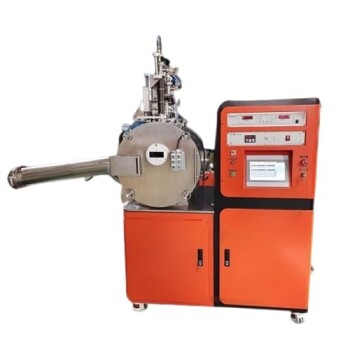
Vacuum Induction Melting Spinning System Arc Melting Furnace

Vacuum Arc Induction Melting Furnace

Vacuum Heat Treat Furnace and Levitation Induction Melting Furnace

Non Consumable Vacuum Arc Induction Melting Furnace
