All Questions
What Is The Best Frequency For Induction Heating? Match Frequency To Your Heating Depth Goal
Learn how to select the right induction heating frequency based on your material's size and desired heat penetration depth for optimal results.
What Is High Frequency Induction Heating Used For? Achieve Precise Surface Hardening & Brazing
Discover how high-frequency induction heating enables precise surface hardening, brazing, and semiconductor processing for industrial applications.
What Is The Main Frequency Of An Induction Furnace? A Guide To Optimizing Melting & Heating
Discover how induction furnace frequency (50 Hz to 10 kHz+) impacts melting speed, stirring, and efficiency for metals like steel and iron.
Does Induction Heating Only Work On Metals? Unlocking The Science For Non-Metals
Discover how induction heating works on metals, graphite, and more. Learn the key principles of eddy currents and magnetic hysteresis for efficient heating.
What Are The Two Types Of Induction Heating? Channel Vs. Coreless Furnace Comparison
Learn the key differences between channel and coreless induction furnaces, their applications, and how to choose the right one for your melting needs.
What Is Induction Heating Equipment? Achieve Fast, Precise, And Clean Thermal Processing
Discover how induction heating equipment works, its key advantages over traditional methods, and its applications in manufacturing and metallurgy.
What Is Needed For Induction Heating? Build Your Efficient, Non-Contact Heating System
Learn the essential components for induction heating: a power supply, inductor coil, and conductive workpiece. Achieve precise, internal heat generation.
What Is The Temperature Of Induction Annealing? Master Material-Specific Heat Treatment
Learn the precise temperature ranges for induction annealing of steel, aluminum, copper & brass. Achieve perfect stress relief, softening, or full annealing.
What Is The Temperature For Induction Hardening? Achieve Precise Hardness Without Compromising Part Integrity
Discover the key temperature range (850°C-950°C) for induction hardening and how to apply it based on your steel's specific alloy and Ac3 point.
What Metals Work With Induction Heating? Understanding Magnetic & Electrical Properties For Efficient Heating
Learn which metals are best for induction heating based on magnetic permeability and electrical resistivity, from ferrous metals to non-ferrous conductors.
Is Induction Heating Efficient? Achieve Over 90% Energy Efficiency With Direct Internal Heating
Discover how induction heating delivers over 90% efficiency by generating heat directly within materials, reducing energy waste and process time.
What Is An Example Of Induction Heating? Discover The Power Of Non-Contact Heat
Learn how induction heating works, from induction cooktops to industrial applications like metal hardening and semiconductor manufacturing.
What Is The Difference Between Induction Heating And Electric Heating? Master Direct Vs. Indirect Heat Generation
Learn the core difference: induction heating generates heat directly inside conductive materials, while electric heating uses external elements. Compare speed, precision, and purity.
What Is Induction Heating In Simple Words? A Fast, Precise, And Clean Way To Heat Metal
Learn how induction heating works: a contactless process that uses magnetic fields to generate heat directly inside conductive materials like metal.
What Are The Advantages Of An Electric Induction Furnace? Achieve Superior Metal Melting Quality & Efficiency
Discover the key benefits of electric induction furnaces: clean, precise heating for high-purity metals, rapid melting, and superior energy efficiency.
What Is The Power Of Induction Furnace? Unlock Precise Control And Efficiency For Your Lab
Discover the power of induction furnaces: intense heat over 1650°C, precise process control, and high efficiency for superior melting results.
Does Induction Heating Work On Titanium? Mastering The Process For Aerospace & Medical Alloys
Learn how to effectively induction heat titanium. Understand the key challenges like low magnetic permeability and solutions for brazing, forging & heat treating.
Will An Induction Heater Heat Brass? A Guide To Efficient Non-Ferrous Metal Heating
Learn how to effectively heat brass with induction. Understand the role of frequency, power, and material properties for successful brazing or annealing.
Can You Heat Aluminum In An Induction Heater? Yes, With High-Frequency Industrial Systems
Learn how specialized high-frequency induction heaters can effectively heat and melt aluminum, overcoming its low resistance and non-magnetic properties.
What Are The Disadvantages Of Core Type Induction Heating? Poor Adaptability For Complex Parts
Discover the key limitations of core induction heating, including poor adaptability to complex geometries and high setup costs for non-standard parts.
What Is Induction Furnace Used For? Achieve Fast, Clean Metal Melting And Heat Treatment
Discover how induction furnaces use electromagnetic induction for high-purity metal melting, alloying, and precision heat treatment applications.
What Is The Power Factor Of A Core Type Induction Furnace? Discover High Efficiency For Your Lab
Learn why core-type induction furnaces have a high power factor (0.8-0.95) and how it benefits your lab's electrical efficiency and costs.
What Is The Difference Between Coreless And Cored Induction Furnace? Choose The Right Tool For Your Foundry
Compare coreless vs. cored induction furnaces: key differences in design, efficiency, flexibility, and applications for metal melting.
What Are The Different Types Of Induction Furnace? Choose The Right One For Your Melting Needs
Compare coreless and channel induction furnaces. Learn their key differences in flexibility, efficiency, and applications to optimize your metal melting process.
What Is The Objective Of Induction Furnace? Achieve Clean, Precise Metal Melting With High Purity
Learn the primary objective of an induction furnace: to melt metals with exceptional purity, speed, and control using electromagnetic induction.
What Is The Mechanism Of Induction Furnace Heating? Discover Efficient, Precise Metal Melting
Learn how induction furnaces use electromagnetic induction and Joule heating to melt metal from the inside out, offering speed, purity, and control.
What Is The Basic Principle Of Induction Furnace? Achieve Fast, Clean Metal Melting
Learn how an induction furnace works using electromagnetic induction to heat metal from the inside out, enabling rapid, pure, and efficient melting.
What Are The Elements Of Induction Heating Design? Mastering Power, Coil, And Workpiece Integration
Learn the core components of induction heating design: power supply, induction coil, workpiece, and key principles like frequency and power density for precise thermal control.
Can An Induction Furnace Melt Titanium? Mastering The Challenge Of Melting Reactive Metals
Learn how induction furnaces, especially VIM systems, melt titanium by preventing contamination in a vacuum or inert atmosphere for high-purity results.
What Are The Basics Of Induction Melting? A Guide To Fast, Clean Metal Processing
Learn how induction melting uses electromagnetic fields to heat metal from within for fast, efficient, and high-purity results.
What Is The Concept Of An Induction Furnace? Unlock Fast, Clean, And Efficient Metal Melting
Learn how induction furnaces use electromagnetic induction to melt metal from the inside out, offering superior speed, efficiency, and purity for your lab.
What Is The History Of Induction Furnace? From Faraday's Discovery To Modern Melting Power
Explore the evolution of the induction furnace, from Michael Faraday's principle of electromagnetic induction to Edwin Northrup's 1916 breakthrough and modern solid-state power supplies.
What Is The Difference Between Channel Induction And Coreless Furnace? A Guide To Optimizing Your Metal Melting Process
Learn the key differences between coreless and channel induction furnaces to choose the right technology for melting flexibility or holding efficiency.
What Is The Principle Behind Induction Furnaces? Unlock Fast, Clean, And Efficient Metal Heating
Discover how induction furnaces use electromagnetic induction and the Joule effect for rapid, precise, and contamination-free metal heating and melting.
What Is The Difference Between Blast Furnace And Induction Furnace? Choosing The Right Metal Melting Solution
Blast furnaces smelt ore into iron; induction furnaces melt scrap metal. Learn the key differences in operation, materials, and purpose for your needs.
What Is The Purpose Of Induction Furnace? Achieve Clean, Efficient Metal Melting
Discover how induction furnaces use electromagnetic induction for clean, precise, and energy-efficient melting of metals like steel, copper, and aluminum.
Can Induction Furnace Melt Iron? Unlock High-Efficiency, Clean Melting For Iron & Alloys
Yes, induction furnaces excel at melting iron, steel, and alloys. Learn how electromagnetic induction delivers precise, efficient heat for your foundry or lab.
How Does An Induction Forge Work? Unlock The Power Of Electromagnetic Heating
Learn how induction forges use electromagnetic fields to generate precise, rapid heat directly within metal workpieces for efficient forging and hardening.
What Are The Energy Conversions In Induction Furnaces? Mastering The Physics Of Efficient Heating
Learn the 3-stage energy conversion in induction furnaces: from electrical to magnetic energy, then to eddy currents, and finally to heat via the Joule effect.
How Does An Inductotherm Furnace Work? Harnessing Electromagnetic Induction For Efficient Metal Melting
Learn how an Inductotherm furnace uses electromagnetic induction to melt metal from the inside out, offering superior speed, purity, and control.
How Does The Induction Furnace Work? A Guide To Rapid, Clean Metal Melting
Learn how induction furnaces use electromagnetic induction to melt metals with superior speed, energy efficiency, and purity compared to conventional methods.
What Is The Range Of Induction Heating? Understanding Coupling Distance And Skin Effect
Learn the two meanings of 'range' in induction heating: coupling distance (air gap) and heating depth (skin effect), and how frequency controls penetration.
Do Induction Furnaces Work On Ac Or Dc? Unlocking The Power Of Alternating Current
Discover why induction furnaces require AC power to generate heat via electromagnetic induction, and the key differences between coreless and channel furnace designs.
Can Aluminum Be Melted In Induction Furnace? Discover The Ultimate Solution For High-Purity Melting
Learn how induction furnaces enable clean, precise aluminum melting with unmatched purity and control. Ideal for specialized alloys and recycling.
What Are The Advantages Of Core Induction Furnace? Achieve Unmatched Energy Efficiency For High-Volume Melting
Discover the key benefits of core induction furnaces, including 98% energy efficiency, high throughput, superior metal quality, and a cleaner working environment.
What Is An Induction Furnace Made Of? A Deep Dive Into Its Core Components
Discover the key components of an induction furnace, including the copper coil, refractory crucible, power supply, and cooling system, and how they work together.
What Is The Maximum Temperature For Induction Heating? Achieve 1800°C+ For Melting & Heat Treating
Discover the practical limits of induction heating, from 1800°C+ capabilities to key factors like material properties and crucible design.
Which Type Of Transformer Is Used In The Induction Furnace? Unlocking The Core Principle Of Induction Heating
Learn how an induction furnace acts as a transformer, using the metal charge as a secondary coil for efficient, direct heating.
What Is The Voltage Limit In An Induction Furnace? It's A Tale Of Two Power Systems
Learn why induction furnaces have no single voltage limit, but use a power conversion system to manage high-voltage input and coil voltage for melting.
Is An Induction Furnace Ac Or Dc? Discover The Core Principle Of Induction Heating
Learn why induction furnaces must use AC power to generate heat via electromagnetic induction, and how this impacts efficiency and control.
Can You Melt Aluminum With Induction? Discover The Superior Method For High-Purity Melting
Learn why induction is the preferred method for melting aluminum, offering unmatched efficiency, purity, and control for industrial and lab applications.
How Can I Increase The Efficiency Of My Induction Furnace? A Holistic Guide To Lower Costs & Higher Output
Boost induction furnace efficiency with expert tips on power factor correction, refractory maintenance, and optimized charging to cut energy costs and increase throughput.
What Does An Induction Furnace Make Use Of? Harnessing Electromagnetic Induction For Clean, Efficient Melting
Discover how induction furnaces use electromagnetic induction and eddy currents for rapid, precise, and clean metal melting without direct contact.
What Scrap Is Used In An Induction Furnace? Choosing The Right Metal For Efficient Melting
Discover which ferrous and non-ferrous metal scraps work best in induction furnaces, focusing on quality, cleanliness, and density for optimal results.
What Are Induction Furnaces Made Of? Key Components For Efficient Metal Melting
Learn about the core materials of induction furnaces, including copper coils and specialized crucibles, essential for precise and efficient metal melting processes.
Does Induction Heating Work On Non Metals? The Critical Role Of Electrical Conductivity
Direct induction heating only works on conductive materials like metals. Learn why non-metals like plastics and ceramics require indirect methods.
What Is The Heating Rate Of Induction Heat? Achieve Precise, Rapid Heating For Your Process
Learn how to control induction heating rates with power density, frequency, and material properties for fast, efficient industrial heating applications.
Can Gold Be Induction Heated? Yes, And It's The Superior Method For High-Purity Melting.
Discover how induction heating melts gold efficiently using eddy currents, offering fast, clean, and contamination-free results for professionals.
What Are The Disadvantages Of Inductive Heating? High Cost And Material Limitations Explained
Explore the key drawbacks of induction heating, including high initial investment, material limitations, and complex setup requirements for custom applications.
Which Metals Can Be Heated Using Induction? Discover The Best Metals For Efficient Induction Heating.
Learn how ferrous and non-ferrous metals respond to induction heating based on their magnetic and electrical properties for optimal results.
What Metals Can Be Induction Hardened? A Guide To Ferrous Alloys And Carbon Content
Discover which metals can be induction hardened, including carbon steels, alloy steels, tool steels, and cast irons. Learn why carbon content is critical.
What Metals Cannot Be Induction Heated? A Guide To Material Suitability And Heating Efficiency.
Discover why some metals like copper and aluminum are hard to induction heat, and learn which materials work best based on resistivity and permeability.
What Is Induction Annealing? Unlock Fast, Precise Heat Treatment For Metals
Discover how induction annealing uses electromagnetic induction to soften metals, relieve stress, and improve ductility with unmatched speed and precision.
What Are The Advantages Of Induction Heating? Achieve Fast, Precise, And Clean Heat For Your Materials
Discover the key benefits of induction heating: unmatched speed, precision, and cleanliness for efficient, high-purity material processing.
What Is Induction Heating Also Known As? The Science Of Eddy Current Heating Explained
Learn why induction heating is also called eddy current heating. Understand the physics, applications, and benefits of this precise, contactless heating method.
What Is The Use Of Induction Heating? A Guide To Fast, Precise, And Clean Industrial Heating
Discover the applications of induction heating, from metal hardening and brazing to semiconductor manufacturing. Learn how this non-contact method offers speed and efficiency.
What Is The Effect Of Frequency To Induction Hardening? Control Case Depth With Precision
Learn how frequency in induction hardening determines case depth via the skin effect, from shallow hardening to deep case applications.
What Is The Highest Temperature Of An Induction Furnace? Discover The Limits For Your Materials
Learn how induction furnace temperatures range from 1250°C to 2000°C based on design, materials, and application requirements.
Can Gold Be Heated By Induction? Yes, With The Right High-Frequency System.
Learn how induction heating works for gold, the need for high frequency, and its advantages in purity and precision for refining and jewelry making.
What Are The Components Of An Induction Melting Furnace? A Guide To The Core Systems
Learn about the key components of an induction melting furnace: power supply, induction coil, crucible, and critical support systems for efficient melting.
Can An Induction Heater Melt Metal? A Guide To Fast, Clean, And Controlled Melting
Discover how induction heaters melt metal efficiently using electromagnetic principles. Learn about advantages like speed, precision, and cleanliness for various metals.
What Is A Dual Track Induction Furnace? Doubling Power For High-Volume Metal Melting
Learn how a dual track induction furnace uses two heating units to significantly boost melting power, speed, and circulation for large-scale metal processing.
Why Do We Use Induction Furnace? For Clean, Precise, And Efficient Metal Melting
Discover the key advantages of induction furnaces: contamination-free melting, precise temperature control, high energy efficiency, and rapid heating cycles.
How Does An Induction Heating Furnace Work? Discover The Power Of Internal, Contactless Heating
Learn how induction furnaces use electromagnetic fields to heat metal from within. Explore key components, advantages, and applications for your lab.
What Is The Basic Principle Of Induction Heating? Fast, Precise, And Contactless Heating Explained
Learn how induction heating works using electromagnetic induction and the Joule effect to generate precise internal heat in conductive materials like metals.
What Is The Production Of Steel By Eaf? A Guide To Modern, Recycled Steelmaking
Learn how Electric Arc Furnace (EAF) steelmaking uses scrap metal and electricity for efficient, sustainable production. Key advantages and process explained.
How Big Is The Induction Furnace Market? Powering Global Steel, Metals, And Manufacturing
Explore the drivers and applications of the induction furnace market, from steel production to precious metal refining, and its role in industrial efficiency.
What Are The Cons Of Induction Heating? High Cost, Material Limits, And Operational Complexity
Explore the key disadvantages of induction heating, including high initial cost, material limitations, and the need for specialized engineering expertise.
What Are The Advantages Of Induction Heat? Unlock Speed, Precision, And Efficiency
Discover the key benefits of induction heating: rapid internal heat generation, precise control, selective heating, and superior energy efficiency for manufacturing.
What Are The Advantages Of Induction Equipment? Achieve Faster, Cleaner, And More Precise Heating
Discover the key benefits of induction equipment, including non-contact heating, superior speed, energy efficiency, and a safer, cleaner work environment.
Why Is Induction Heating So Expensive? Unpacking The High Cost Of Precision Heating Technology
Explore the key factors behind induction heating costs, from advanced power supplies to custom coils, and learn how it delivers long-term ROI.
Which Is Better Induction Furnace Or Electric Arc Furnace? The Ultimate Guide For Your Production Needs
Compare induction vs. arc furnaces: key differences in efficiency, quality, and scale. Find the right furnace for your metal production goals.
What Is The Process Of Vim Metal? Achieve Superior Purity For High-Performance Alloys
Learn how Vacuum Induction Melting (VIM) produces exceptionally clean, high-purity metals for aerospace, medical, and power generation applications.
What Is The Process Of Induction Furnace In Steel Manufacturing? Efficient, Clean Melting For Specialty Steel
Learn how induction furnaces use electromagnetic induction to melt steel from the inside out, offering precise temperature control and high purity for specialty alloys.
What Is The Difference Between Induction Furnace And Arc Furnace? A Guide To High-Volume Refining Vs. Precision Melting
Compare electric arc furnaces and induction furnaces: understand heat generation, efficiency, steel quality, and how to choose the right technology for your application.
What Is The Induction Furnace Used For? Master Efficient Metal Melting & Heating
Learn how induction furnaces use electromagnetic induction for rapid, uniform melting of metals like steel, copper, and aluminum in foundries and recycling.
What Is The Purpose Of The Induction Furnace? Achieve Clean, Efficient Metal Melting
Discover how induction furnaces use electromagnetic induction to melt metals like steel and aluminum with superior efficiency, control, and cleanliness.
What Are The Parts Of Induction Furnace? A Complete Breakdown Of The Core System
Learn about the key components of an induction furnace: power supply, coil, crucible, and control system, plus essential support systems for efficient melting.
Why Is Water Used In An Induction Furnace? To Prevent Catastrophic Coil Overheating And Failure
Learn how water cooling systems protect induction furnace coils from overheating, ensuring safe and efficient melting operations.
What Are The Uses Of Induction Furnace? Achieve Clean, High-Purity Metal Melting
Discover how induction furnaces use electromagnetic fields for rapid, contamination-free melting of metals like steel, copper, and aluminum in foundries and labs.
What Is The Temperature Range For Induction Heating? From Ambient To 3000°C+ With Unmatched Precision
Discover the vast temperature range of induction heating, from low-temp processes to extreme 3000°C+ applications. Learn how power, frequency, and material define your achievable heat.
What Is The Temperature Range Of The Induction Melting Furnace? Find The Right Heat For Your Metals
Learn the temperature range of induction melting furnaces (1600°C to 2000°C+) and how to select the right one for your metal melting needs.
What Is Induction Furnaces Based On The Heating Effect Of? Unlock Faster, Cleaner Metal Melting
Induction furnaces use electromagnetic induction and the Joule effect for efficient, high-purity metal melting. Learn the science and benefits.
What Is The Melting Loss Of An Induction Furnace? Optimize Your Metal Yield And Energy Efficiency
Learn how to minimize induction furnace melting loss, including metal oxidation and energy inefficiency, to boost your foundry's profitability.
Is Induction Heating More Efficient? Achieve Rapid, Precise, And Energy-Saving Heat
Discover why induction heating is more efficient than traditional methods, offering faster cycles, precise control, and significant energy savings.
What Metal Is Best For Induction Heating? Unlock Rapid, Efficient Heat With Ferromagnetic Metals
Discover why ferromagnetic metals like carbon steel and cast iron are superior for induction heating due to magnetic hysteresis and high resistivity.
What Is The Working Principle Of Induction? Harnessing Direct, Contactless Heat
Learn how induction heating works: using a magnetic field to generate eddy currents within a conductor, creating fast, efficient, and precise internal heat.
What Are The Two Methods Of Induction Heating? Coreless Vs. Channel Furnaces Explained
Learn the key differences between coreless and channel induction furnaces: melting vs. holding, application range, and operational flexibility for metals.
What Are The Applications Of Induction Heating? Achieve Rapid, Clean, And Precise Heat
Discover the key applications of induction heating, from metal hardening and semiconductor manufacturing to 3D printing and induction cooktops.
Why Is Induction Heating Used? Unlock Rapid, Precise, And Clean Heat For Your Process
Discover why induction heating is chosen for its speed, precision, and cleanliness. It generates heat internally in conductive materials for superior efficiency.
Related Products

Lab-Scale Vacuum Induction Melting Furnace
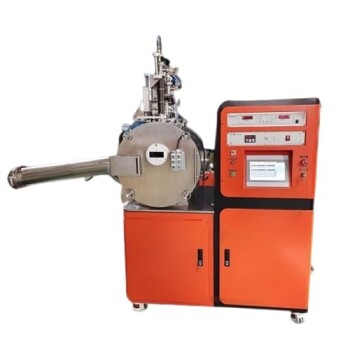
Vacuum Induction Melting Spinning System Arc Melting Furnace

Vacuum Arc Induction Melting Furnace
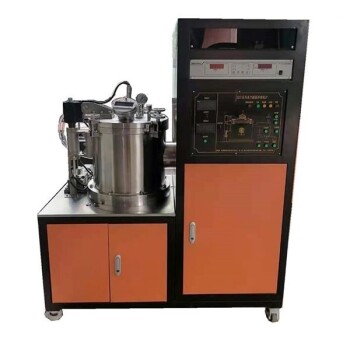
Vacuum Heat Treat Furnace and Levitation Induction Melting Furnace

Non Consumable Vacuum Arc Induction Melting Furnace
